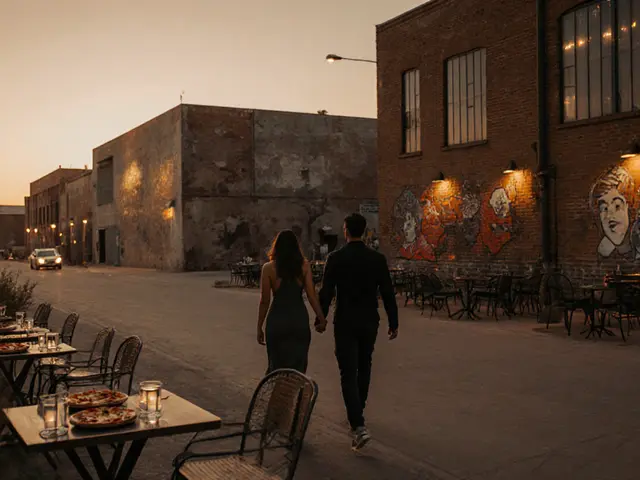
When the sun goes down in Milan, the city doesn’t sleep - it transforms.
Forget the daytime fashion shows and designer boutiques. After 10 p.m., Milan becomes a pulsing, stylish playground where locals and visitors mix under neon lights, dance to live DJs, and sip craft cocktails in hidden courtyards. This isn’t just partying - it’s an experience shaped by Italian flair, decades of music history, and a culture that treats nightlife like an art form.
Brera: Where Art Meets After-Dark
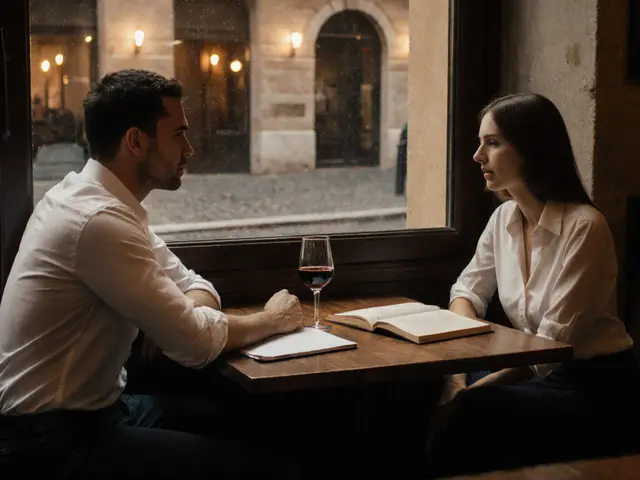
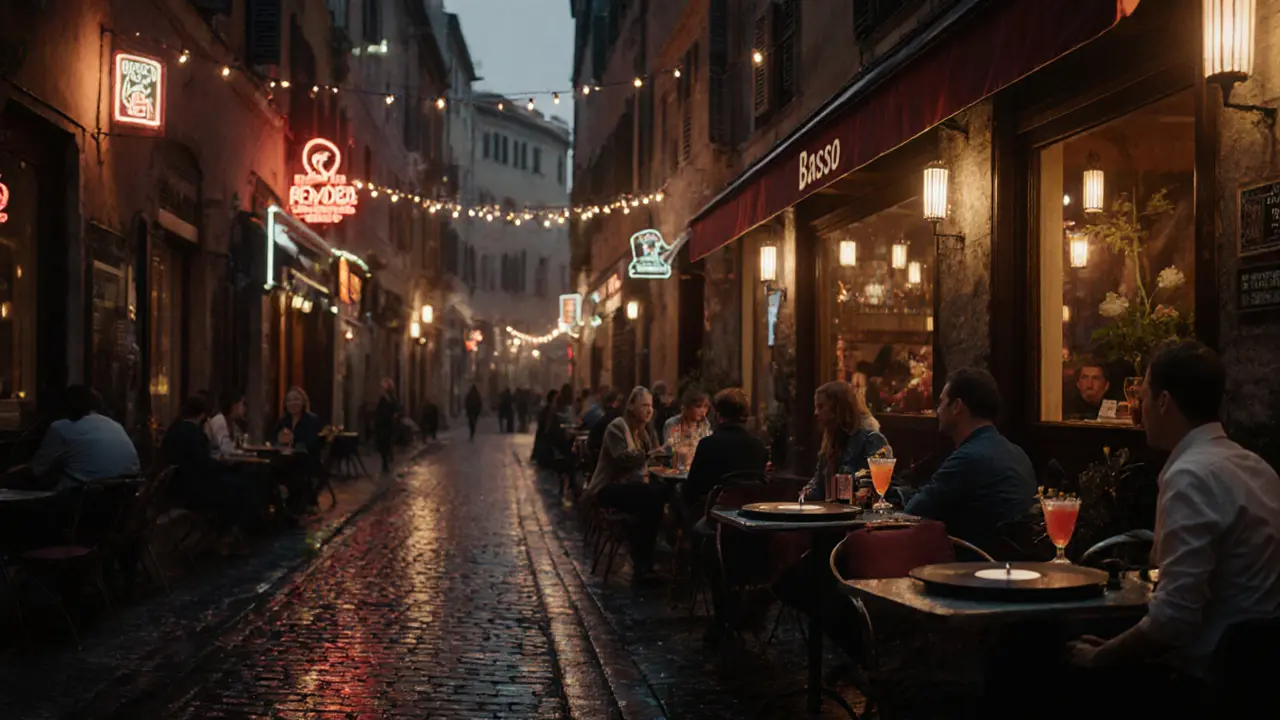
Brera is Milan’s intellectual heart by day and its most intimate nightlife hub by night. Narrow cobblestone streets are lined with wine bars where you’ll find designers, artists, and students sipping Aperol spritzes under string lights. Bar Basso, opened in 1957, is the birthplace of the Negroni Sbagliato - a happy accident that became a global classic. Order one here, and you’re tasting history. Nearby, Il Gatto Nero offers live jazz on weekends, with dim lighting and vintage vinyl spinning in the background. It’s not loud, it’s not crowded, but it’s where Milan’s cool kids go to unwind without trying too hard.
Navigli: Canals, Cocktails, and Long Nights
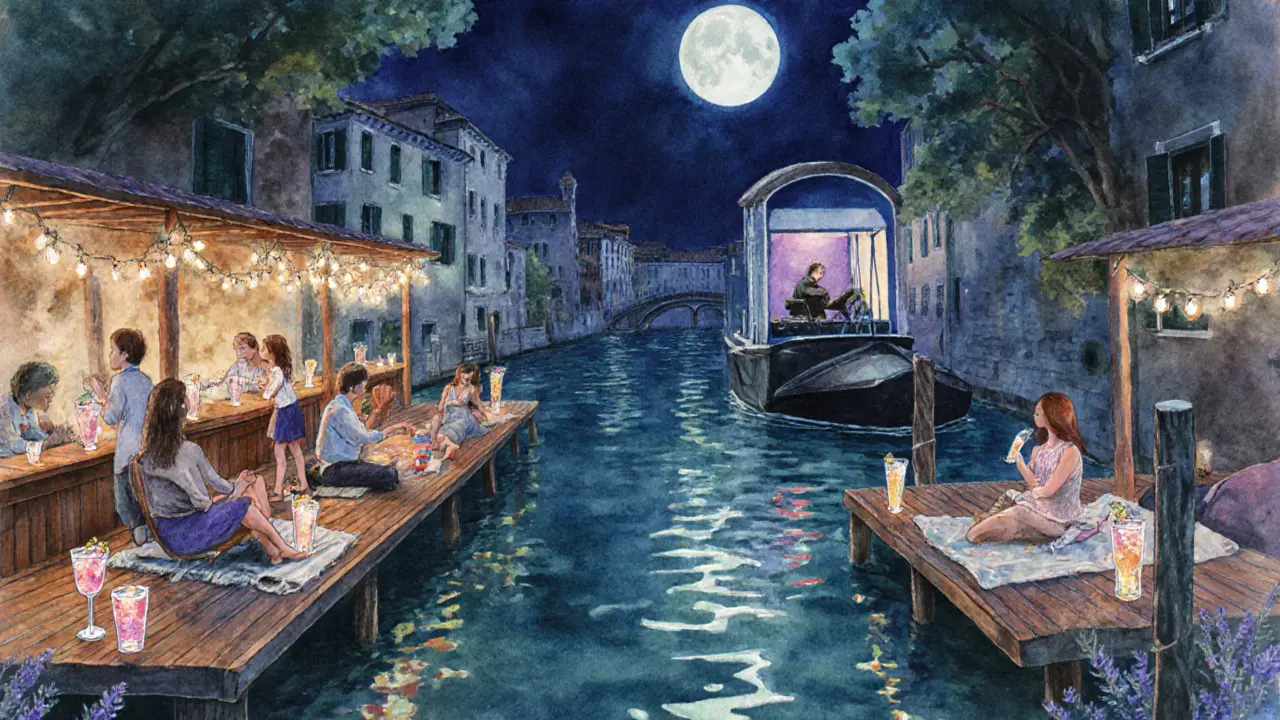
Follow the canals of Navigli and you’ll find Milan’s most relaxed but persistent nightlife scene. On Friday and Saturday nights, the water’s edge turns into a floating party zone. Bars spill onto wooden decks, and locals bring blankets and snacks to lounge by the water. La Zanzara is the go-to spot for cocktails with a view - their signature Canal Spritz comes with a slice of orange and a splash of lavender syrup. If you’re in the mood for something louder, Bar Basso Navigli (yes, the same name, different location) throws open its doors to DJs playing indie rock and house until 3 a.m. It’s not a club, but it feels like one.
Porta Ticinese: The Underground Pulse
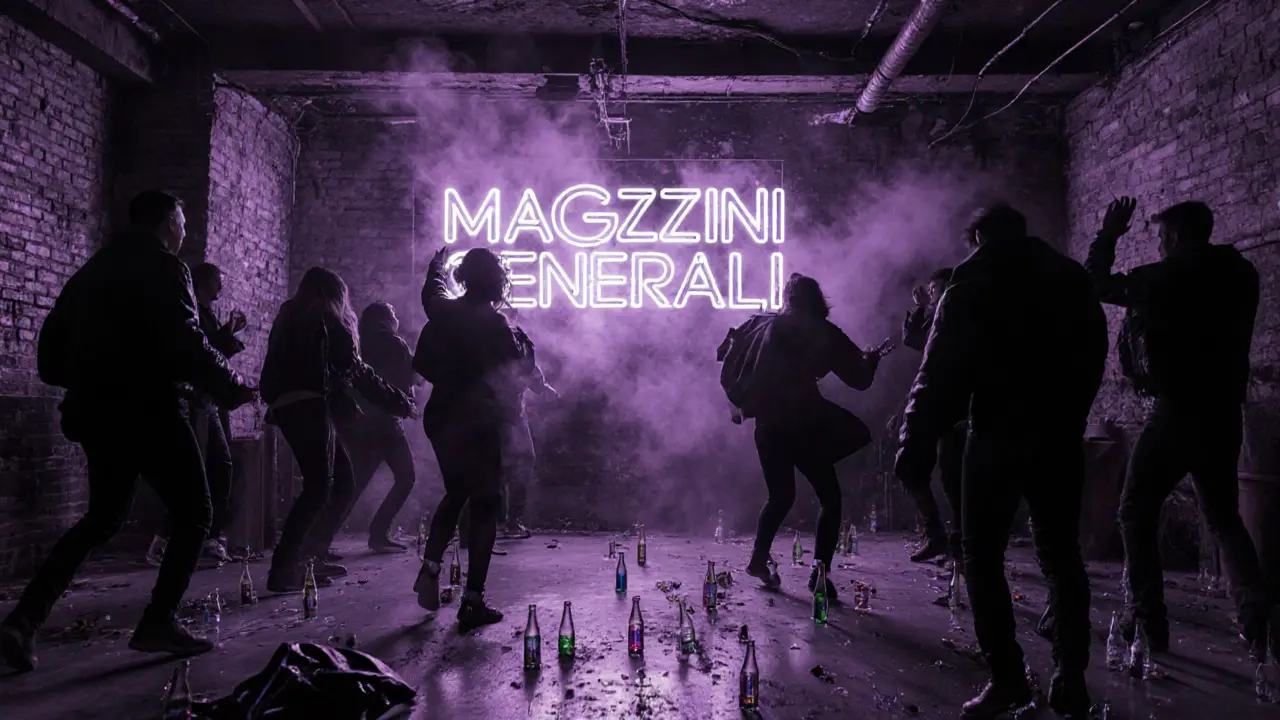
Just south of the city center, Porta Ticinese is where Milan’s alternative scene thrives. This is the neighborhood where underground clubs thrive in converted warehouses and old factories. Clubs like Magazzini Generali host electronic music nights with international DJs, while La Cucina turns into a punk and metal hotspot on weekends. The vibe here is raw, unpolished, and real. No velvet ropes, no dress codes - just good music and people who came to lose themselves. If you’re looking for Milan’s grittier side, this is where you’ll find it.
Corso Como: Style, Status, and the Scene
Corso Como isn’t just a street - it’s a lifestyle. The area around Corso Como 10 is home to one of Milan’s most famous nightlife spots: Corso Como 10. It started as a design store and evolved into a multi-level club, restaurant, and art gallery rolled into one. The crowd here is fashion-forward - models, stylists, and influencers from around the world. Entry isn’t guaranteed; they look at your outfit before letting you in. But if you get past the door, you’ll find a mix of live electronic sets, rooftop lounges with panoramic views, and a bar that serves champagne by the glass. This is Milan’s version of a celebrity hotspot - expect to see someone you recognize.
San Babila: High-End Bars and Late-Night Glam
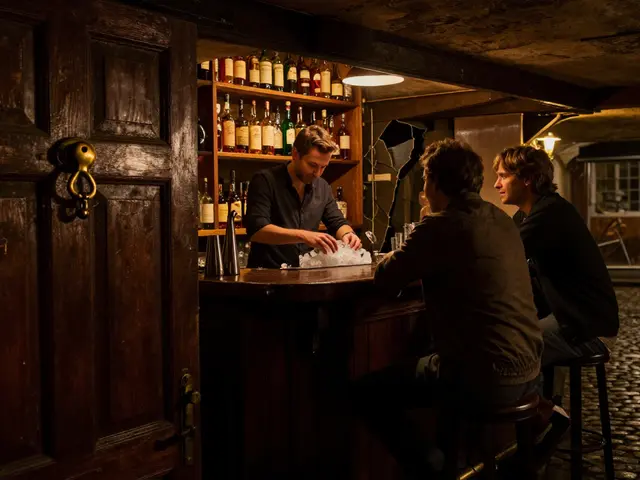
San Babila is where Milan’s elite unwind after dinner. The area around Piazza San Babila is packed with upscale cocktail lounges that feel more like private clubs than public bars. Bar Luce, designed by Wes Anderson, is a retro-styled café that turns into a quiet bar after 9 p.m. It’s perfect for a slow, elegant nightcap. For something more energetic, Bar 10 offers expertly mixed drinks and a crowd that knows their gin from their vermouth. The music here is curated - no top 40 hits, just jazz, soul, and deep house. It’s not loud, but it’s full of energy. If you want to feel like you’re in a 1960s Italian film, this is the place.
What Makes Milan’s Nightlife Different?
Unlike cities like Berlin or Ibiza, Milan doesn’t have one big club scene - it has dozens of small, distinct ones. Each neighborhood has its own rhythm. You won’t find all-night raves in basements here. Instead, you’ll find bars that close at 2 a.m. because the owner wants to get home, and clubs that don’t open until midnight because dinner isn’t over yet. Milanese nightlife is about timing, taste, and tradition. People dress up - not to impress, but because it’s part of the ritual. A good night out here means savoring the moment, not chasing the next party.
When to Go and What to Wear
The best nights for nightlife in Milan are Thursday through Saturday. Sunday is quiet - most places close early or stay closed. Weekdays are great for bars in Brera and Navigli, but avoid them if you want to dance. As for dress code: Milan doesn’t require suits, but it does expect effort. No flip-flops, no hoodies, no athletic wear. Think smart casual - tailored jeans, a nice shirt, a leather jacket. Women often wear dresses or sleek separates. You don’t need designer labels, but you do need to look intentional. If you show up in gym clothes, you’ll stand out - and not in a good way.
How Late Do Places Stay Open?
Bars in Brera and Navigli usually close around 2 a.m. Clubs in Porta Ticinese and Corso Como stay open until 4 a.m., sometimes later on weekends. Most places stop serving alcohol at 3 a.m. by law, but you can still hang out and chat. The last train leaves around 1:30 a.m., so plan ahead if you’re relying on public transport. Taxis are easy to find, but prices jump after midnight. Uber and Bolt work well, but expect surge pricing on weekends.
What You Won’t Find in Milan’s Nightlife
You won’t find dollar shots, keg parties, or dive bars with pool tables. You won’t find American-style sports bars with TVs blaring football games. And you won’t find 24-hour clubs that play the same EDM track on loop. Milan’s nightlife is too refined for that. It’s about quality over quantity, atmosphere over volume, and experience over excess. If you’re looking for a wild, chaotic night out, you’ll need to head to another city. But if you want a night that feels elegant, thoughtful, and deeply Italian - Milan delivers.
Pro Tips for a Perfect Night Out
- Start late - Italians don’t go out until after 10 p.m. Arrive at 11:30 p.m. to catch the real energy.
- Reservations matter - especially at Corso Como 10, Bar Luce, and La Zanzara. Call ahead or book online.
- Carry cash - many smaller bars don’t take cards after midnight.
- Don’t rush - a night out in Milan can last six hours. Sip slowly, talk often, and enjoy the rhythm.
- Follow the locals - if you see a crowd of well-dressed people walking into a place you’ve never heard of, go in. They know something you don’t.
What’s the best time of year for nightlife in Milan?
Late spring (May-June) and early fall (September-October) are ideal. The weather is mild, outdoor bars are open, and the city feels alive without being overcrowded. Summer brings tourists and higher prices, while winter nights are quieter - though some clubs, like Magazzini Generali, stay open year-round with themed events.
Are there any free nightlife options in Milan?
Yes - but they’re not clubs. Many bars in Brera and Navigli host free live music on Wednesday or Thursday nights. Check out Bar Basso for acoustic sets or La Cucina for local indie bands. Some courtyards in the city center also host open-air film screenings or art pop-ups with free drinks for the first hour. These aren’t parties, but they’re great ways to soak up Milan’s vibe without spending a euro.
Can I visit Milan’s nightlife alone?
Absolutely. Milan is one of the safest European cities for solo travelers at night. Many bars have single seats at the counter, and staff are used to solo guests. In Brera and Navigli, it’s common to strike up a conversation with someone next to you. Just avoid overly crowded clubs like Corso Como 10 if you’re alone - the door policy can be strict, and the crowd is more social than welcoming.
Is there a difference between Milanese and Roman nightlife?
Yes. Rome’s nightlife is louder, more chaotic, and focused on big clubs and open-air venues. Milan’s is quieter, more curated, and centered around style and atmosphere. In Rome, you’ll find people dancing until dawn in massive clubs. In Milan, you’ll find people sipping cocktails in candlelit bars, listening to jazz, or debating design over a glass of wine. Both are great - but they feel completely different.
What’s the most underrated spot for nightlife in Milan?
Try Bar Pasticceria Cova in Galleria Vittorio Emanuele II. It’s known for pastries by day, but at night, it transforms into a quiet, elegant bar with live piano music. The crowd is older, sophisticated, and deeply local. No one’s taking selfies. No one’s shouting. It’s the kind of place where you can sit for two hours with a single espresso and feel like you’ve discovered a secret.