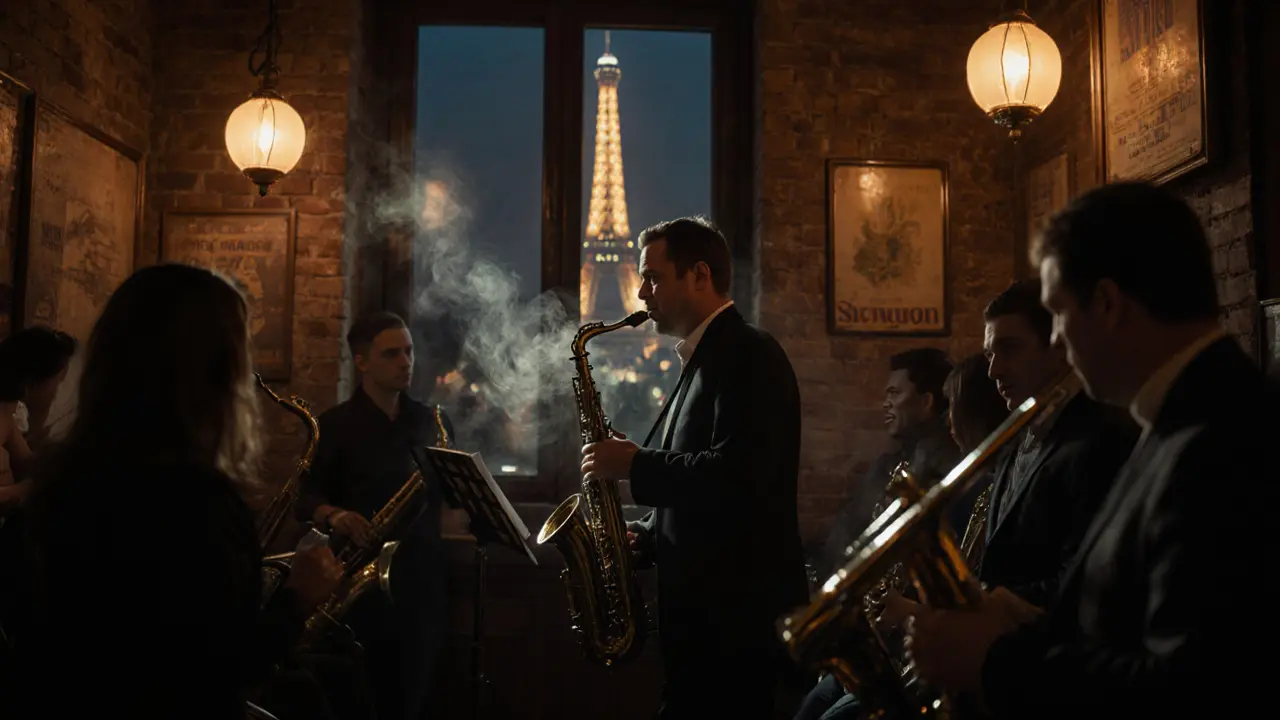
Paris doesn’t sleep when the sun goes down-it transforms. The City of Light becomes a living, breathing ecosystem of music, conversation, and quiet magic. Forget the crowded tourist spots and Instagram filters. The real Paris after dark lives in dimly lit jazz cellars, hidden wine bars tucked behind bookshops, and rooftop terraces where the Eiffel Tower sparkles like a secret you’ve been let in on.
Where the Locals Go After Dinner
If you want to experience Paris like someone who actually lives here, skip the neon-lit clubs near Champs-Élysées. Start in Le Marais. By 9 p.m., the sidewalks fill with people sipping natural wine at Le Verre Volé, a tiny bar with no sign, just a chalkboard listing bottles from small French vineyards. The owner knows your name by the third visit. This isn’t about drinking-it’s about tasting history in a glass. The wine here isn’t imported; it’s grown by farmers who still hand-pick grapes in the Loire Valley.
Walk ten minutes to Bar des Poètes, a 1920s-style haunt where poets used to debate over absinthe. Today, it’s filled with artists, translators, and retirees who still play chess on the terrace. Order a kir royale-crème de cassis and champagne-and watch the night unfold slowly. No DJs. No flashing lights. Just the murmur of French, the clink of glasses, and the occasional burst of laughter.
Live Music That Doesn’t Cost a Fortune
Paris has more live music venues per capita than any other European city. But you won’t find them on the big tourism apps. Head to La Cigale in Pigalle, where indie bands from Lyon or Bordeaux play for free on Tuesday nights. The crowd? Students, musicians, and expats who’ve lived here long enough to know the rules: show up early, stand in the back, and don’t expect a seat.
For jazz, there’s Le Caveau de la Huchette, a cellar club that’s been open since 1946. The music doesn’t start until 11 p.m., and the room gets so hot from bodies and brass that the walls sweat. Tourists come for the postcard vibe. Locals come for the saxophonist who’s played there since 1982 and still improvises solos based on the weather outside.
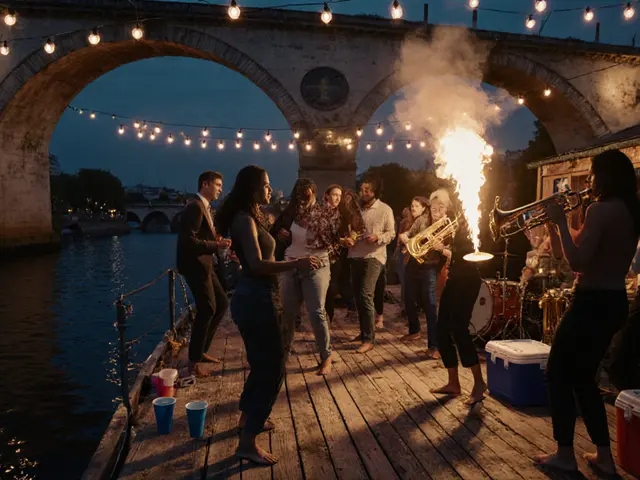
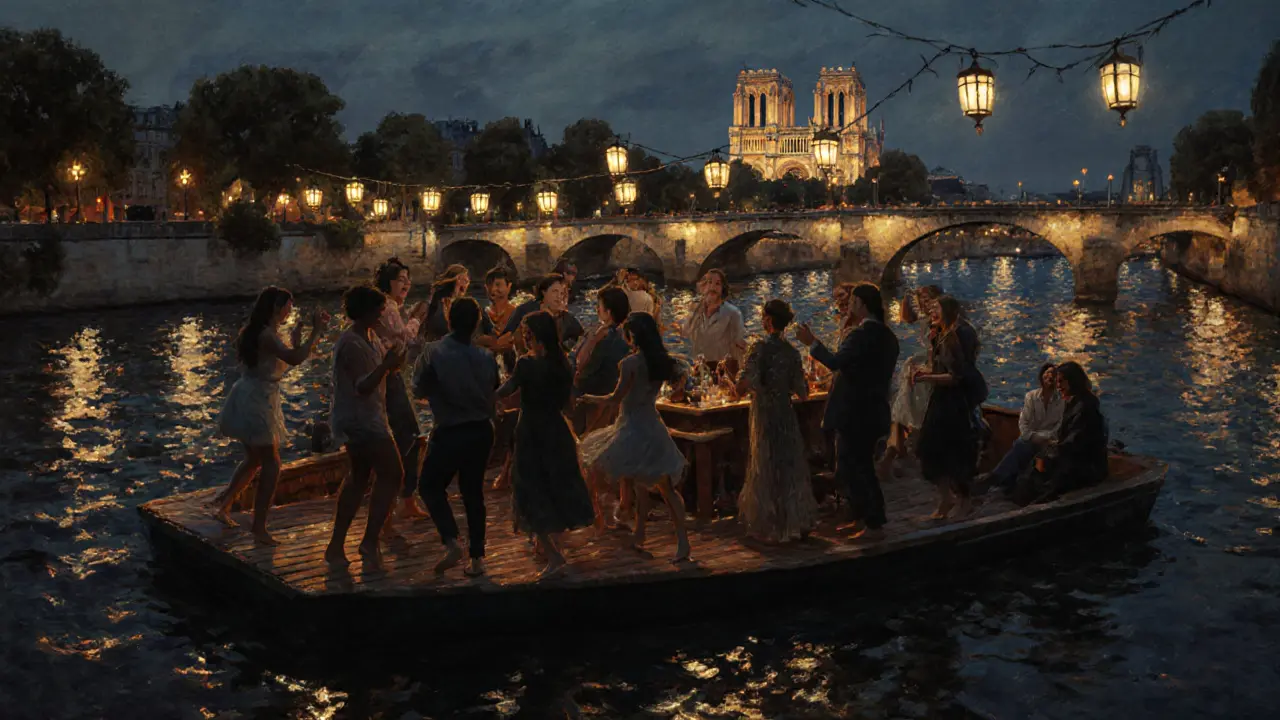
Don’t miss Le Petit Bain, a floating bar on the Seine. It’s not fancy, but on summer nights, people dance barefoot on the deck while the city lights reflect off the water. The playlist? French house, 90s R&B, and obscure Algerian funk. You’ll hear more French than English. And no one cares if you can’t dance.
The Hidden Clubs That Actually Feel Like Paris
Most clubs in Paris close by 3 a.m., but the real ones don’t start until then. Wagram is a former warehouse turned underground party space. Entry is €10, and the doorkeeper doesn’t ask for ID. He just looks at you and says, “You’re here for the music?” If you nod, you’re in. The sound system is custom-built. The DJs play vinyl only. The crowd? Mix of queer artists, techno nerds, and grandmas who’ve been coming since the 90s.
Then there’s La Java, a 1920s ballroom in the 18th arrondissement. It’s not a club. It’s a dance hall. On Saturday nights, people come to waltz, tango, and swing. The band plays live. No phones allowed. No one takes photos. It’s just bodies moving in sync, sweat on the wooden floor, and the smell of old velvet curtains.
For something weirder, find La Machine du Moulin Rouge-not the tourist show, but the underground club in the basement. It’s run by former circus performers. The music is industrial, the lighting is red, and the dance floor is made of reclaimed train tracks. You’ll see people in corsets, leather, and nothing but glitter. It’s not for everyone. But if you’ve ever wanted to feel like you stepped into a French surrealist film, this is it.
Midnight Snacks That Keep You Going
Parisians don’t eat pizza at 2 a.m. They eat croque-monsieur from a corner bistro that’s been open since 1957. Le Comptoir du Relais in Saint-Germain serves theirs with a fried egg on top and a side of pickled onions. The chef doesn’t speak English. He just nods when you point at the menu.
Or try Le Petit Châtelet, a 24-hour crêperie near the Seine. The batter is made with buckwheat flour and Normandy butter. The fillings? Salted caramel, duck confit, or just cheese and a drizzle of honey. The line outside never drops below five people. Locals know: if you’re still awake at 3 a.m., you deserve this.
And then there’s the galette-saucisse-a sausage wrapped in a buckwheat pancake, sold from a van near Gare du Nord. It’s not gourmet. It’s not Instagrammable. But after a night of dancing, it’s the only thing that feels right.
What to Wear, What to Avoid
Parisians dress for comfort, not status. You don’t need designer labels. You need good shoes. The streets are cobblestone. The sidewalks are uneven. And if you wear heels, you’ll spend half your night limping.
Men: dark jeans, a simple sweater, a well-fitted coat. No logos. No baseball caps. A scarf is optional but appreciated in winter.
Women: a little black dress works, but so do wide-leg pants and a silk blouse. Boots are better than heels. And if you’re wearing a bag, make sure it’s small enough to carry in one hand while holding a wine glass.
Avoid: flip-flops, fanny packs, tourist T-shirts, and anything that says “I ❤️ Paris.” You’ll stand out. Not in a good way.

When to Go, and When to Stay Home
Weekends are packed. But Thursday and Friday nights are the sweet spot. Bars open at 8 p.m., music starts at 10, and the crowd doesn’t peak until midnight. By 2 a.m., you’re still in the middle of it. By 4 a.m., you’re the last one left.
July and August? The city empties. Most Parisians leave for the coast. Bars close early. Clubs are quiet. If you come then, you’ll get the quiet Paris-the one with empty parks and silent streets. It’s beautiful. But it’s not nightlife.
December? Magical. The Christmas markets stay open until midnight. Mulled wine, roasted chestnuts, and carols echo through Montmartre. The lights on the Champs-Élysées turn on at dusk. It’s not wild, but it’s warm. And the people? They’re smiling.
How to Navigate the Night Without Getting Lost
Paris is walkable. But after midnight, the Metro runs every 15 minutes. The last train on Line 1 leaves at 1:45 a.m. If you miss it, you’re stuck. Taxis are expensive. Uber is unreliable. The best option? Walk. Or take a Vélib’ bike-there are stations open 24/7. Just lock it properly. Theft is common.
Download the Bonjour RATP app. It shows real-time Metro and bus schedules. Don’t rely on Google Maps-it doesn’t always know which entrances are closed at night.
And never assume everyone speaks English. Learn three phrases: “Merci,” “Où est la sortie?”, and “Combien?” They’ll get you further than any translation app.
Why Paris After Dark Feels Different
It’s not the lights. It’s not the music. It’s the rhythm. Parisians don’t rush. They linger. They talk. They pause. A night out here isn’t about checking boxes-it’s about feeling the city breathe.
You’ll sit at a bar for two hours because the bartender tells you a story about his grandmother’s vineyard. You’ll dance with a stranger because the song reminds you of your first kiss. You’ll eat a sandwich at 4 a.m. and realize you’re happier than you’ve been in months.
That’s Paris after dark. Not a scene. Not a trend. A feeling.
Is Paris nightlife safe at night?
Yes, most areas popular with nightlife-Le Marais, Saint-Germain, Montmartre, and the Latin Quarter-are well-lit and patrolled. Avoid isolated alleys and deserted streets near train stations after midnight. Stick to busy areas, trust your instincts, and don’t flash valuables. Violent crime is rare, but pickpockets are active near tourist hotspots.
What’s the legal drinking age in Paris?
You must be 18 to buy alcohol in France. ID checks are common at clubs and some bars, especially if you look under 25. Carry a passport or EU ID card. No exceptions. Even if you’re 21 in the U.S., French law doesn’t recognize that.
Do I need to tip in Paris bars and clubs?
No. Service is included in the bill. But if you want to show appreciation, leave a euro or two on the table. It’s not expected, but it’s appreciated. Don’t overtip-it can feel awkward. Parisians value sincerity over generosity.
Can I go out alone in Paris at night?
Absolutely. Paris is one of the most solo-friendly cities in Europe. Women often go out alone to cafes, bars, and concerts. The key is to look confident, avoid looking lost, and don’t stop to ask strangers for directions after dark. Use your phone map, walk with purpose, and trust your gut.
Are there any quiet alternatives to clubs in Paris?
Yes. Try a terrasse with live acoustic music in the 6th arrondissement. Or visit La Médiathèque de la Villette, which hosts late-night poetry readings and film screenings on weekends. Bookshops like Shakespeare and Company stay open until midnight and often have intimate readings. These spots are peaceful, thoughtful, and deeply Parisian.