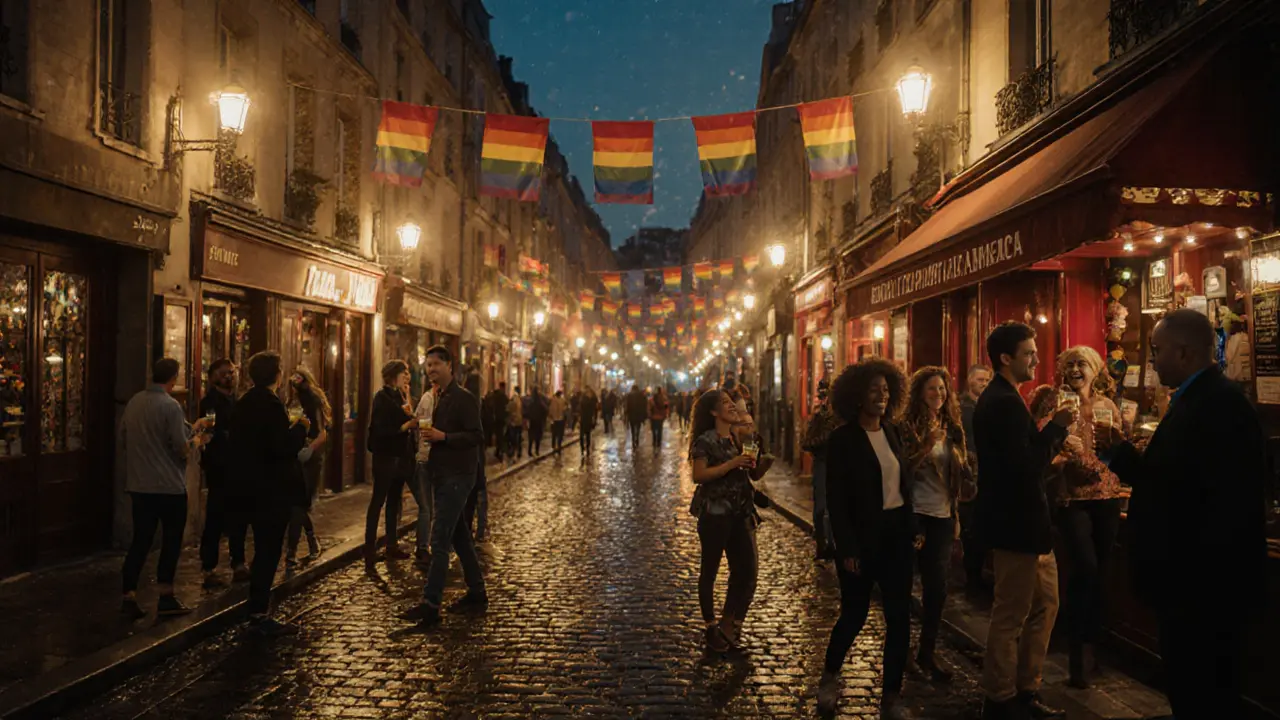
Paris isn’t just about the Eiffel Tower and croissants-it’s one of the most vibrant LGBT cities in Europe, with a nightlife scene that’s been shaping queer culture for decades. If you’re planning a trip and wondering where to go after dark, you’re not alone. Thousands of visitors each year come to Paris not just to see the sights, but to dance, drink, and connect in spaces that feel like home. The city doesn’t just tolerate queer nightlife-it celebrates it. And the best part? You don’t need to be gay, lesbian, bi, trans, or nonbinary to enjoy it. All are welcome.
Where to Start: Le Marais
Le Marais is the heart of LGBT Paris. Walk down Rue des Rosiers or Rue des Martyrs after 9 p.m., and you’ll see rainbow flags, couples holding hands, and people laughing outside bars with open doors. This neighborhood has been a safe haven since the 1980s, when queer communities began reclaiming the area after years of marginalization. Today, it’s packed with spots that cater to every mood.
Le Depot is a no-frills, underground bar with cheap drinks and a crowd that’s more about connection than pretension. It’s the kind of place where you’ll end up talking to someone from Tokyo or Toronto by midnight. Le Baron is the opposite-glamorous, packed with fashion influencers, and loud enough to shake the walls. Both are on the same street. That’s the beauty of Le Marais: you can go from a quiet corner with a cocktail to a dance floor with pulsing house music in under five minutes.
Lesbian and Queer Women Spaces
If you’re a lesbian, queer woman, or just looking for a space that feels more intimate and less male-dominated, Paris has you covered. Le Chabanais on Rue du Faubourg Saint-Antoine is a cozy, candlelit bar with live music on weekends and a playlist that leans toward indie pop and soul. The staff remembers your name. The crowd? Mostly women, nonbinary folks, and allies who come for the vibe, not the Instagram shot.
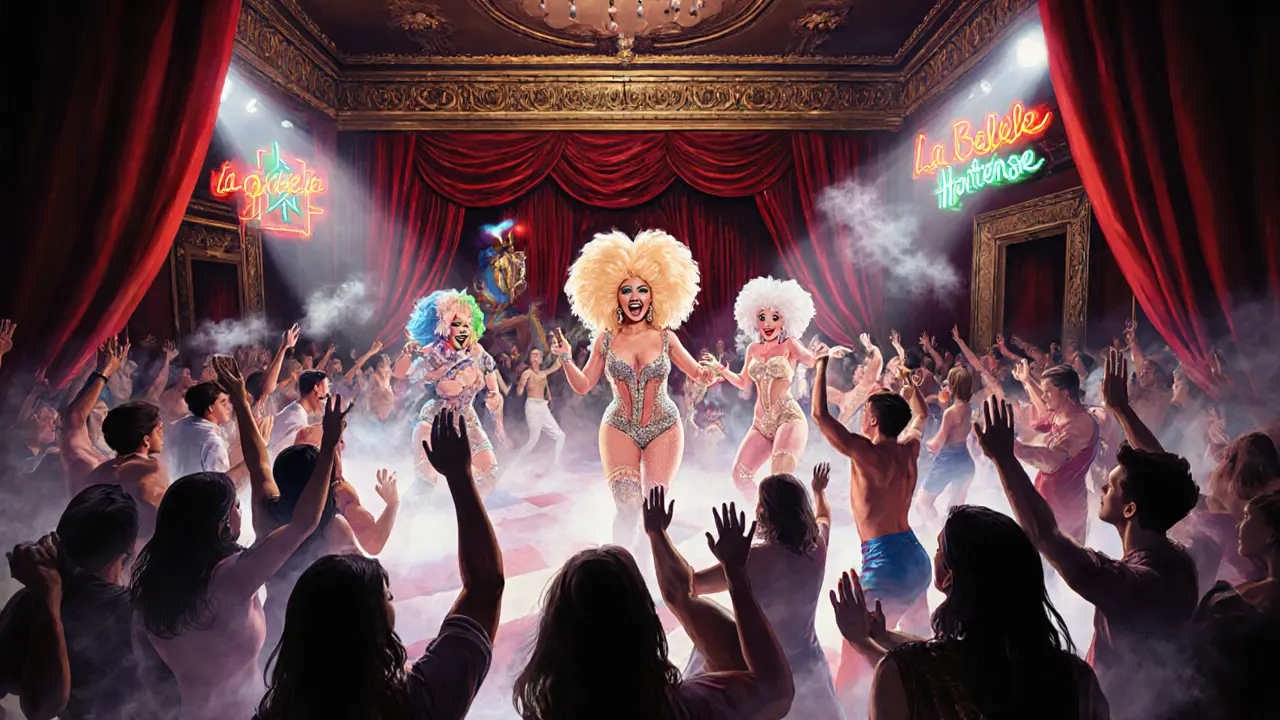
For dancing, La Belle Hortense is a must. It’s a former theater turned queer nightclub, tucked away in the 11th arrondissement. The nights here are wild-drag performances, burlesque, and DJs spinning everything from disco to techno. The dance floor is always full, and the energy is electric. It’s not a place to just sip a drink and watch. It’s a place to move.
Trans and Nonbinary-Friendly Spots
Trans and nonbinary folks have long been at the center of Paris’s queer nightlife, and the city’s venues reflect that. Le Café de la Gare in the 10th arrondissement hosts weekly drag brunches and open mic nights that center trans voices. The owner, a trans woman who’s been running the space since 2017, makes sure the bathrooms are gender-neutral and the staff is trained in inclusive language.
On Friday nights, La Générale in the 19th arrondissement throws “Trans & Friends,” a party that started as a small gathering and now draws over 500 people. It’s not a club with a cover charge-it’s a community event. DJs play queer anthems from the 90s to today, and the crowd? A mix of ages, races, and gender identities. You’ll find people here who’ve been coming since the 2000s, and others who’ve never stepped into a queer space before. That’s the point.
Drag and Performance Nights
Paris has one of the most active drag scenes in Europe. Le Palace isn’t just a venue-it’s an institution. Once a 1970s disco, it’s now a hub for high-energy drag shows. Every Saturday, you’ll find performers from across France and beyond competing in lip-sync battles, comedy skits, and costume reveals. The audience doesn’t just watch-they cheer, throw glitter, and sometimes jump on stage.
For something more experimental, head to Le Ritz in the 1st arrondissement. It’s not a nightclub, but a cabaret-style lounge where drag meets avant-garde theater. Shows here are intimate, often political, and always thought-provoking. One recent performance combined poetry about queer migration with projections of protest footage from around the world. It wasn’t just entertainment-it was a statement.
What to Know Before You Go
Paris is safe for LGBT visitors, but it’s not always perfect. While most venues are welcoming, you might still get a sideways glance in quieter neighborhoods after midnight. Stick to well-known areas like Le Marais, Oberkampf, or the 11th and 19th arrondissements. Avoid wandering alone late at night in places like the 18th or 20th unless you’re with a group.
Most clubs don’t have strict dress codes, but it helps to dress with a bit of flair. Parisians notice style. You don’t need designer labels, but a sharp jacket, bold makeup, or colorful accessories will help you blend in. Cover charges range from €5 to €15, and drinks are about €8-€12. Cash is still king in smaller bars-bring euros.
Don’t be afraid to ask for recommendations. Bartenders, dancers, and even fellow patrons are usually happy to point you to the next spot. Many venues have Instagram pages with updated event schedules. Search for #ParisLGBTNightlife or #QueerParis to find pop-ups and secret parties that aren’t listed on tourist guides.
Seasonal Events You Can’t Miss
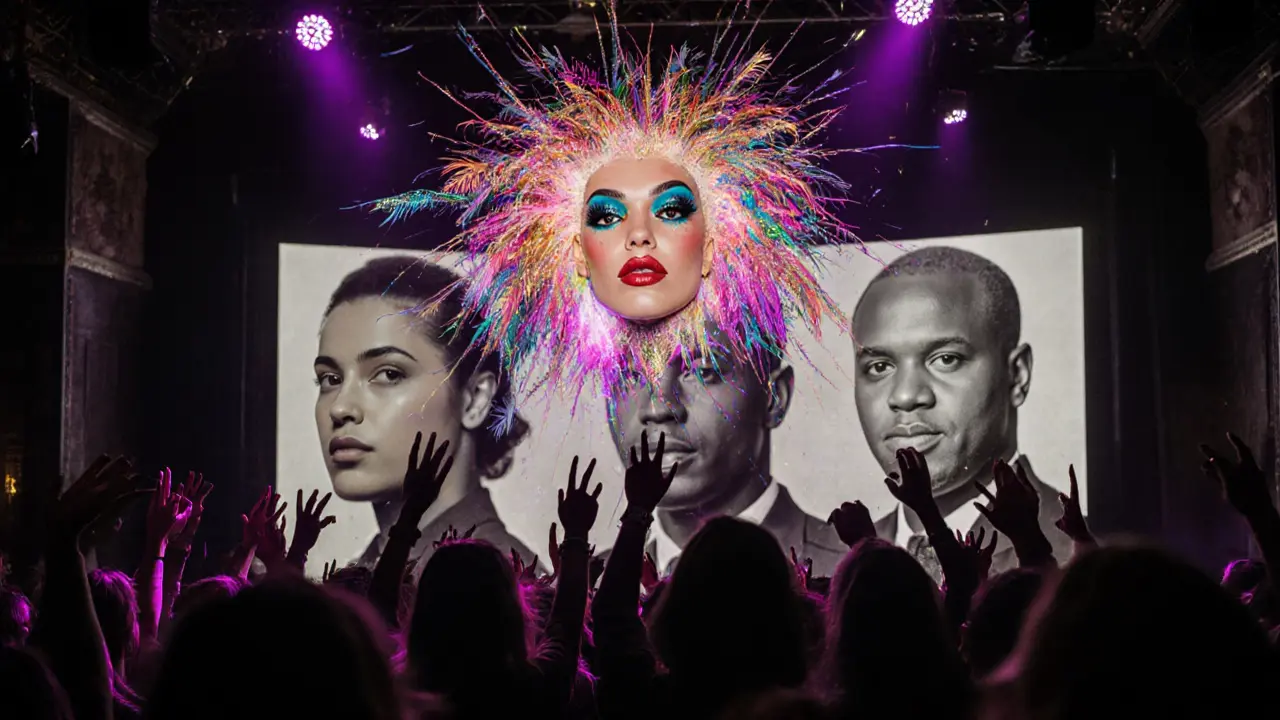
Paris Pride (Fierté Paris) happens every June, but the city’s queer calendar doesn’t stop there. In October, Paris Gay Pride Festival rolls out film screenings, art exhibits, and rooftop parties across the city. November brings Trans Pride Day, with a march starting at Place de la République and ending at a massive party at La Générale.
And then there’s Les Folies du Marais, a three-day festival in late August that turns the whole neighborhood into an open-air party. Street performers, drag queens on balconies, DJs on trucks-it’s like Mardi Gras meets Berlin’s Christopher Street Day. If you’re in Paris that weekend, don’t miss it.
Why Paris Stands Out
What makes Paris different from other queer capitals like Berlin or New York? It’s the blend of history and heart. You’re not just going to a club-you’re walking through streets where activists like Christine Jablonski and Jean-Paul Sartre once fought for visibility. The city doesn’t just host events; it honors them.
There’s no single “LGBT bar” in Paris. There are dozens, each with its own soul. Some are loud, some are quiet. Some are for dancing, some are for talking. Some are for meeting someone special. Others are just for being yourself, without explanation.
That’s the magic. You don’t need to fit a mold. You just need to show up.
Is Paris safe for LGBT travelers?
Yes, Paris is generally very safe for LGBT travelers, especially in areas like Le Marais, Oberkampf, and the 11th and 19th arrondissements. Public displays of affection are common and accepted in these neighborhoods. While isolated incidents of harassment can happen anywhere, violent crime targeting LGBT people is rare. Stick to well-lit, busy areas after dark, and trust your instincts. Most locals are supportive, and many venues have staff trained in inclusion.
Do I need to speak French to enjoy LGBT nightlife in Paris?
No, you don’t need to speak French. Most staff in popular LGBT venues speak English, especially in Le Marais and at major clubs. Signs, menus, and event posters are often bilingual. That said, learning a few basic phrases like “Bonjour,” “Merci,” and “Une bière, s’il vous plaît” goes a long way. Locals appreciate the effort, and it opens up more authentic conversations.
Are there any LGBT-friendly hotels in Paris?
Absolutely. Hotels like Le Narcisse Blanc in the 7th arrondissement and Hotel du Petit Moulin in Le Marais are known for their inclusive policies and queer-friendly staff. Many host LGBT events or partner with local venues. Booking sites like Airbnb also let you filter for “LGBTQ+ friendly” listings. Look for properties with reviews mentioning “welcoming,” “safe,” or “great for queer travelers.”
What’s the best night to go out in Paris for LGBT nightlife?
Fridays and Saturdays are the busiest, but each night has its own flavor. Friday nights at La Belle Hortense and Le Ritz are packed with drag and performance crowds. Saturday is when Le Palace and Le Baron hit their peak. If you prefer something quieter, try Wednesday nights at Le Chabanais or Sunday brunch at Le Café de la Gare. Weekdays are often less crowded and more intimate-perfect for meeting people without the noise.
Can I bring a straight friend to an LGBT bar in Paris?
Yes, absolutely. Most LGBT venues in Paris welcome allies. In fact, many events are designed to be inclusive by nature. The goal isn’t exclusion-it’s celebration. As long as your friend is respectful, open-minded, and doesn’t dominate the space, they’ll be fine. Just avoid making assumptions about who’s who in the crowd. Let people introduce themselves.