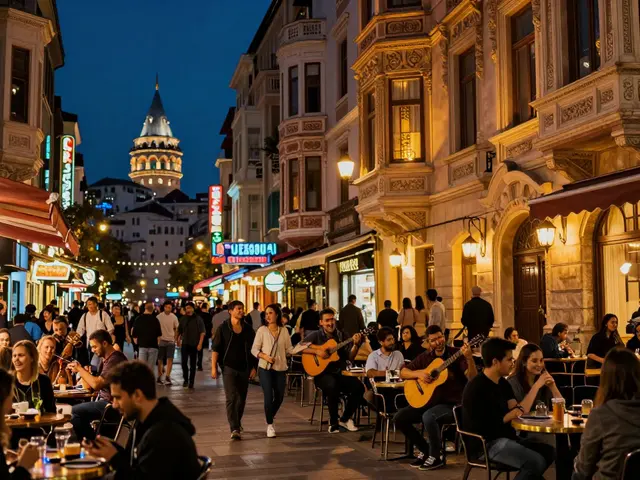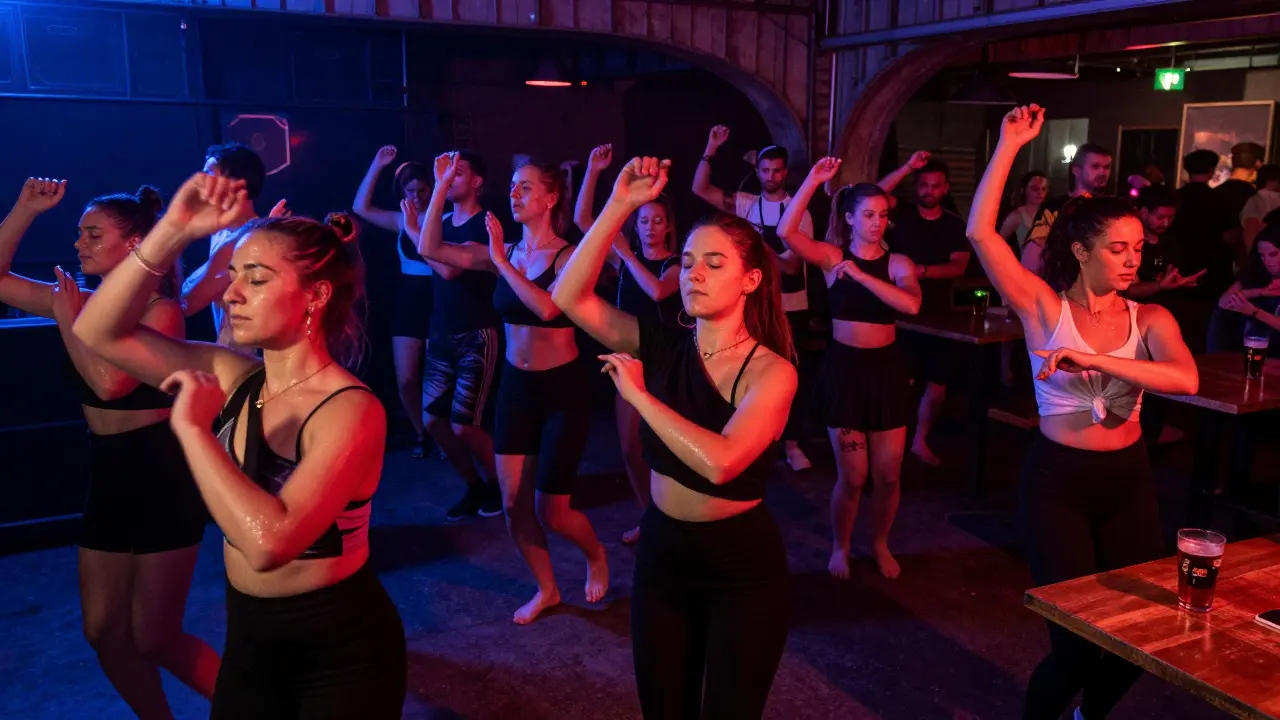
London’s nightlife doesn’t just buzz-it pulses.
If you’re someone who lives for the drop, the beat, and the way a crowd moves as one when the bass hits just right, London is one of the few cities in the world that won’t let you down. This isn’t about fancy cocktails or VIP sections-it’s about finding the rooms where the music doesn’t stop until the sun creeps in, and the floor is sticky with sweat and pure energy.
You won’t find one single club that does it all. London’s dance scene is a patchwork of underground basements, warehouse raves, and legendary venues that have shaped global electronic music. Each spot has its own soul, its own crowd, and its own sound. The trick isn’t just knowing where to go-it’s knowing when to go, and what kind of night you’re after.
Berghain’s little brother: The Cross Club
Forget the hype around Berghain in Berlin. London has its own temple of dark, deep techno, and it’s called The Cross Club in Peckham. Tucked under a railway arch, this place doesn’t advertise. No neon signs. No bouncers in suits. Just a narrow door, a long line of people who know what they’re here for, and a sound system that shakes your ribs.
Friday and Saturday nights here are pure ritual. The DJs don’t play pop edits or remixes-they spin raw, hypnotic techno from 11 PM until 7 AM. The crowd? Mostly locals, a few Berlin expats, and serious dancers who’ve traveled across the city just to feel the rhythm in their bones. The lighting? Flickering red and blue. The drinks? £5 pints, no frills. The vibe? Like being inside a living, breathing machine.
Fabric: Where legends are made
Fabric isn’t just a club. It’s a landmark. Open since 1999, it’s hosted names like Carl Cox, Charlotte de Witte, and Richie Hawtin before they were household names. The sound system here is one of the most powerful in Europe-three separate rooms, each with its own sonic identity. Room 1 is for hard-hitting techno. Room 2 leans into house and disco. Room 3? That’s where the underground freaks gather for experimental bass and leftfield beats.
What makes Fabric different? The crowd. You won’t see influencers posing for selfies. You’ll see people dancing like no one’s watching-even though thousands are. The dance floor is wide, the lighting is low, and the acoustics are engineered so every kick drum lands like a punch. If you want to know what real club culture feels like, this is where you stand.
The End: House, Disco, and Soul on the South Bank
If you’re in the mood for something warmer, something with groove and soul, The End on the South Bank is your spot. This place doesn’t pretend to be cutting-edge-it just plays the best house, disco, and funk records from the last 40 years. Think Chic, Daft Punk, Masters at Work, and deep cuts from the 90s that still make people scream.
The crowd here is mixed: students, retirees, DJs off-duty, couples who’ve been dancing together since the 2000s. The music doesn’t change every 30 seconds. It breathes. The lights stay dim. The bar serves gin and tonics with real tonic water. And on weekends, the dance floor fills with people who aren’t there to be seen-they’re there to feel.

Printworks: The warehouse that never sleeps
Printworks was once a printing factory in Rotherhithe. Now, it’s one of London’s most immersive dance experiences. The space is massive-think industrial ceilings, exposed pipes, and concrete floors that vibrate under your feet. The sound system is custom-built by the same team behind Berghain’s rig.
Events here aren’t weekly. They’re events. You might find a 12-hour techno marathon with 10 DJs back-to-back, or a live audiovisual set that turns the whole room into a moving art installation. The crowd is international, the energy is electric, and the afterparty often spills into the nearby Thames-side pubs. You need to plan ahead-tickets sell out fast, and there’s no last-minute entry. But if you get in? You’ll remember it for years.
Secrets in the Suburbs: Pop-ups and Speakeasies
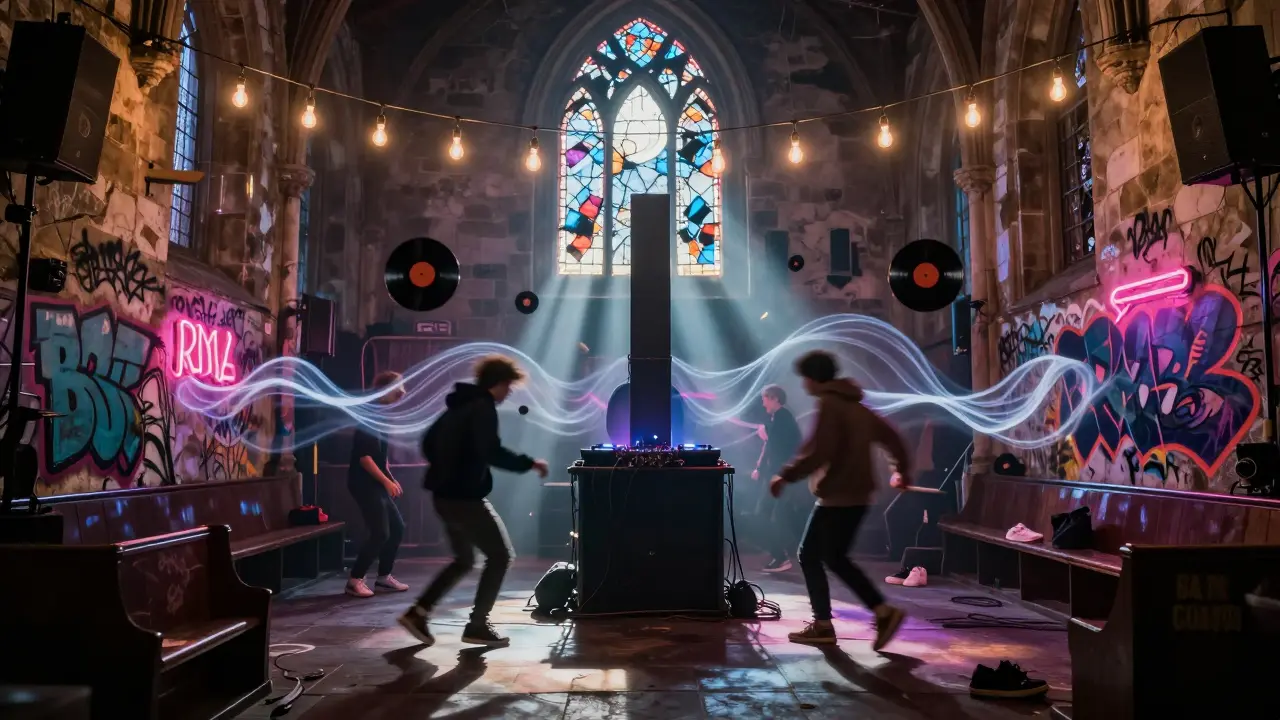
Some of London’s best dance nights aren’t in the city center at all. They’re hidden. In a warehouse in Croydon. Behind a fake bookshelf in a pub in Hackney. In a disused church in Brixton.
These are the nights you hear about from a friend of a friend. A WhatsApp group. A cryptic Instagram post with a location only revealed 2 hours before doors open. The music? Often unreleased tracks, live sets from rising producers, or DJs who refuse to play in clubs anymore.
One such spot is Lost & Found, a monthly party that moves locations. Last month it was in a converted car park in Peckham. The night before, it was in a 1920s ballroom in Camden. No flyers. No website. Just a code word at the door. If you’re serious about dance, you learn to listen-not just to the music, but to the whispers.
What to expect: Dress, timing, and attitude
You don’t need to dress like a model to dance in London. Most clubs here don’t care if you’re wearing trainers or a hoodie. What matters is how you move. The dress code? Comfortable shoes. Always. You’ll be on your feet for hours.
Timing is everything. Most clubs don’t get going until 1 AM. The real dance floor doesn’t open until 2 AM. If you show up at 10 PM, you’ll be the only one moving. Stick around. The magic happens after midnight.
And attitude? Leave your ego at the door. London dancers don’t care if you’ve been to Ibiza or Coachella. They care if you’re there to lose yourself in the music. If you’re dancing like you’re alone in your bedroom? That’s the best kind of dancing.
Where to go next
Want to go deeper? Try Moog in Dalston for bass-heavy, genre-bending sets. Radio 1’s Dance Party at Printworks is a monthly highlight. Boxpark Shoreditch hosts surprise pop-ups from international DJs on weekends. And don’t miss Defected Records events-they bring house music legends to unexpected venues.
Follow local DJs on Instagram. Subscribe to Resident Advisor’s London listings. Join the London Underground Facebook group. The best nights aren’t advertised-they’re shared.
What’s changed in 2025
London’s nightlife is bouncing back after years of closures and restrictions. New venues like Warp in Shoreditch and Aperture in Elephant & Castle have opened with better sound systems and safer environments. Licensing laws have loosened slightly, letting clubs stay open until 6 AM on weekends.
But the biggest change? The crowd. More women. More non-binary dancers. More people over 30. The scene isn’t just surviving-it’s evolving. And it’s better for it.
What’s the best night to go out for dancing in London?
Friday and Saturday nights are the most consistent, but the best parties often happen on Sundays-especially in underground spots. Many DJs prefer Sunday nights because the crowd is more focused and less distracted. Clubs like The Cross Club and Fabric often have their most intense sets on Sunday mornings.
Are London clubs expensive?
It depends. Mainstream clubs like Ministry of Sound charge £20-£30 for entry. But underground venues like The End or Lost & Found often cost £5-£10. Drinks are £5-£7 for a pint or a gin and tonic. Many parties offer free entry before midnight. The real value? You get 8-12 hours of music, no cover charge after 2 AM, and a crowd that actually dances.
Is London safe for solo dancers at night?
Yes, if you take basic precautions. Most clubs have trained door staff and security teams. Many venues now have quiet rooms for people who need a break. Use trusted transport apps like Bolt or Uber-avoid walking alone after 3 AM. Stick to well-known areas like Peckham, Shoreditch, and Brixton. And trust your gut. If a place feels off, leave.
Can I find live music or DJ sets in London clubs?
Absolutely. Most clubs feature live DJs, not just pre-recorded sets. Some venues like Printworks and Moog host live electronic acts-think modular synths, analog gear, and real-time improvisation. Look for events tagged as “live set” or “DJ set” on Resident Advisor. You’ll hear things you can’t find on Spotify.
What’s the difference between a club and a rave in London?
A club is a permanent venue with regular hours. A rave is temporary-often in a warehouse, field, or disused building-and happens once or twice a year. Raves usually start late, end at sunrise, and have a more DIY feel. They’re harder to find, but they offer a raw, unfiltered experience. Clubs are reliable. Raves are unforgettable.
Final tip: Go with someone who knows the scene
Even if you’ve been to New York, Berlin, or Tokyo, London’s dance scene has its own rhythm. The best way to find your spot? Ask a local. A bartender, a DJ, a regular. They’ll tell you where the real music is playing tonight. And if you’re lucky? They’ll take you there.