When the sun sets, Milan doesn’t sleep-it transforms.
Most visitors think of Milan as fashion runways and designer boutiques. But once the city sheds its daytime polish, it reveals a wilder, quieter, more electric side. The nightlife here isn’t about flashy neon signs or tourist traps. It’s about hidden courtyards with live jazz, local aperitivo rituals, and basement clubs where DJs spin underground techno until 5 a.m. If you want to experience Milan after dark like a local, you need to know where to go-and where not to waste your time.
The Aperitivo Ritual: Where Milan Begins Its Night
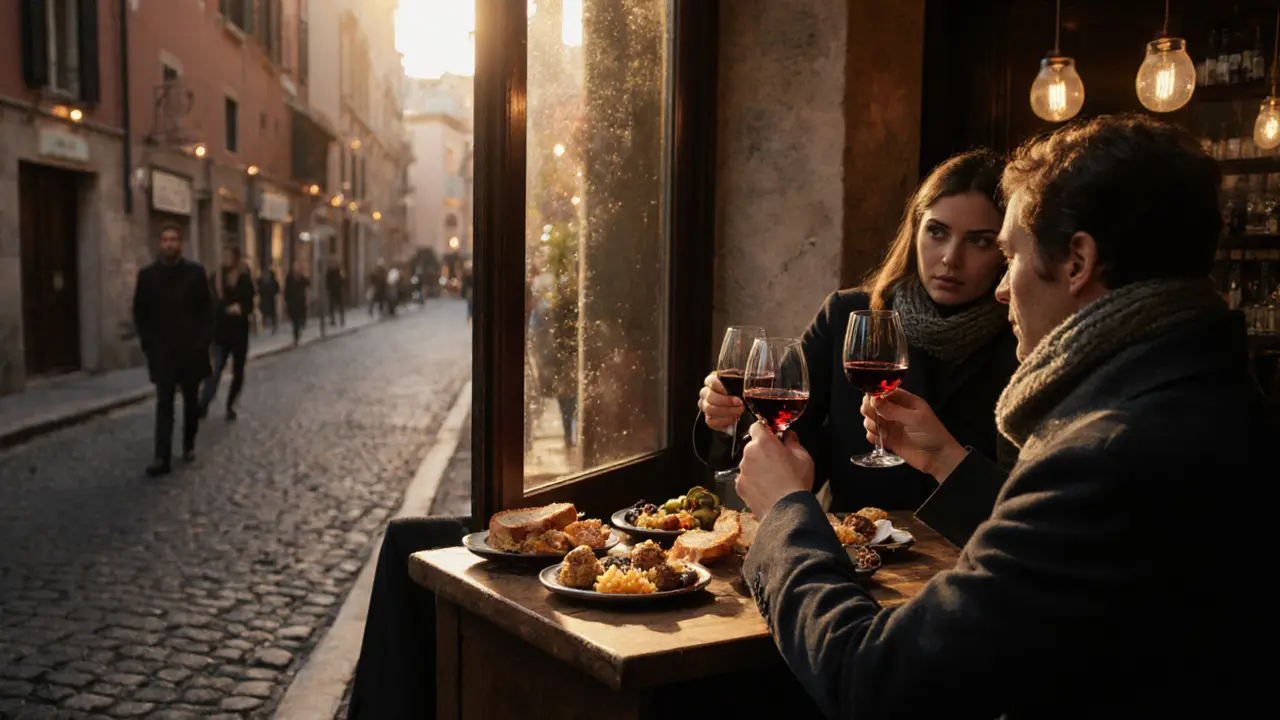
It’s not a drink. It’s not a meal. It’s the Italian art of easing into the night: aperitivo. Between 6 and 9 p.m., Milanese flood into bars along Navigli, Brera, and Porta Venezia. For €10-€15, you get a cocktail or glass of wine and a buffet of snacks-think truffle arancini, stuffed olives, mini paninis, and fresh salads. This isn’t a free-for-all buffet. It’s curated, seasonal, and often made in-house.
At Bar Basso, the birthplace of the Negroni Sbagliato, you’ll wait in line. But it’s worth it. The lighting is low, the ice is perfect, and the bartenders know your name by the third round. Skip the ones near Duomo-they’re priced for tourists and serve lukewarm olives. Head to Cantinetta Antinori in Brera instead. The wine list is all Italian, the cheese board changes daily, and the crowd? Locals in leather jackets and scarves, not Instagram influencers.
Navigli: The Canals That Come Alive
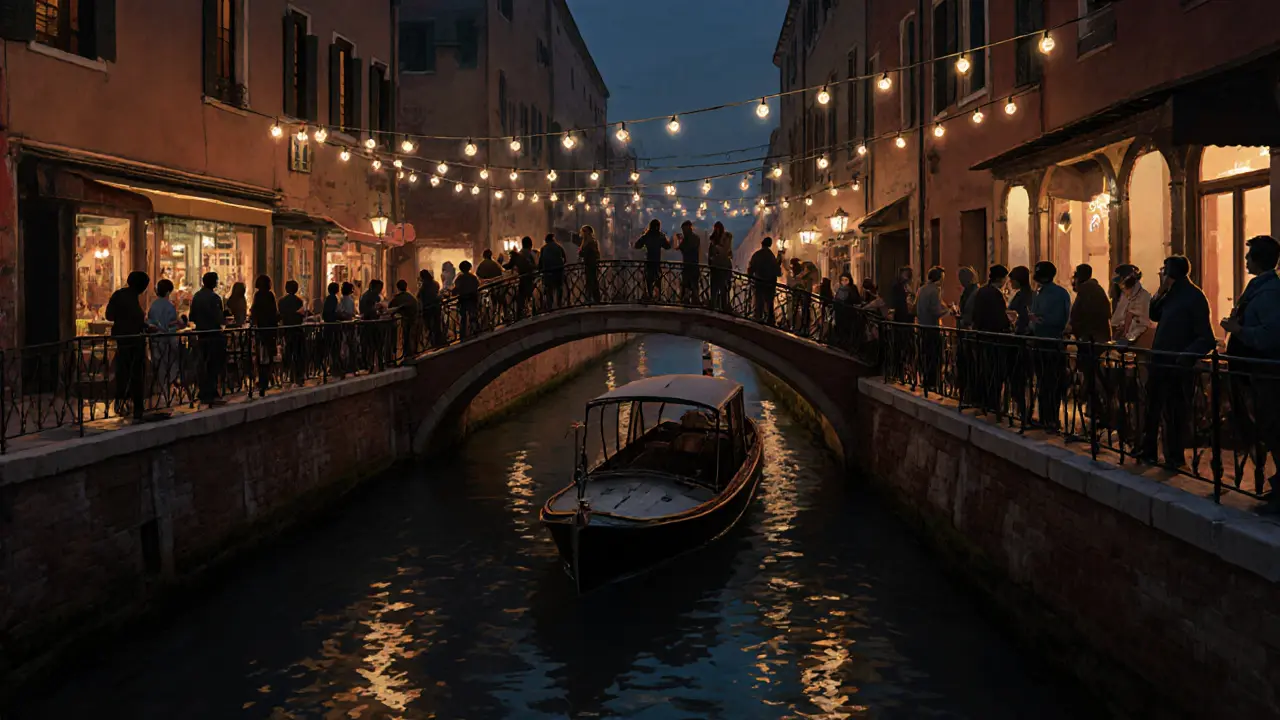
By 10 p.m., the Navigli district turns into a floating party. The canals are lined with terraces, and music spills from open doors. This is where students, artists, and young professionals unwind. You’ll find everything from vinyl-only bars to rooftop lounges with string lights.
Birreria Della Stazione is a local favorite-industrial-chic, with 20 craft beers on tap and a backyard that feels like a secret garden. Don’t miss their hoppy lager brewed just for them. If you want something quieter, try La Cucina di Mamma-it’s technically a restaurant, but by 11 p.m., the tables clear out and the bar takes over with live acoustic sets. The owner plays guitar and sings in Italian. No one dances. Everyone listens.
Pro tip: Walk the canal path from Porta Genova to Porta Ticinese. You’ll pass 10 bars before you hit the busiest spot. Stop at the third one. That’s where the real crowd is.
Clubs: Where the Real Night Begins
Milan’s club scene doesn’t start until midnight. And it doesn’t end until the sun rises. Forget the big-name clubs that advertise on Instagram. The best spots are tucked away in industrial zones or behind unmarked doors.
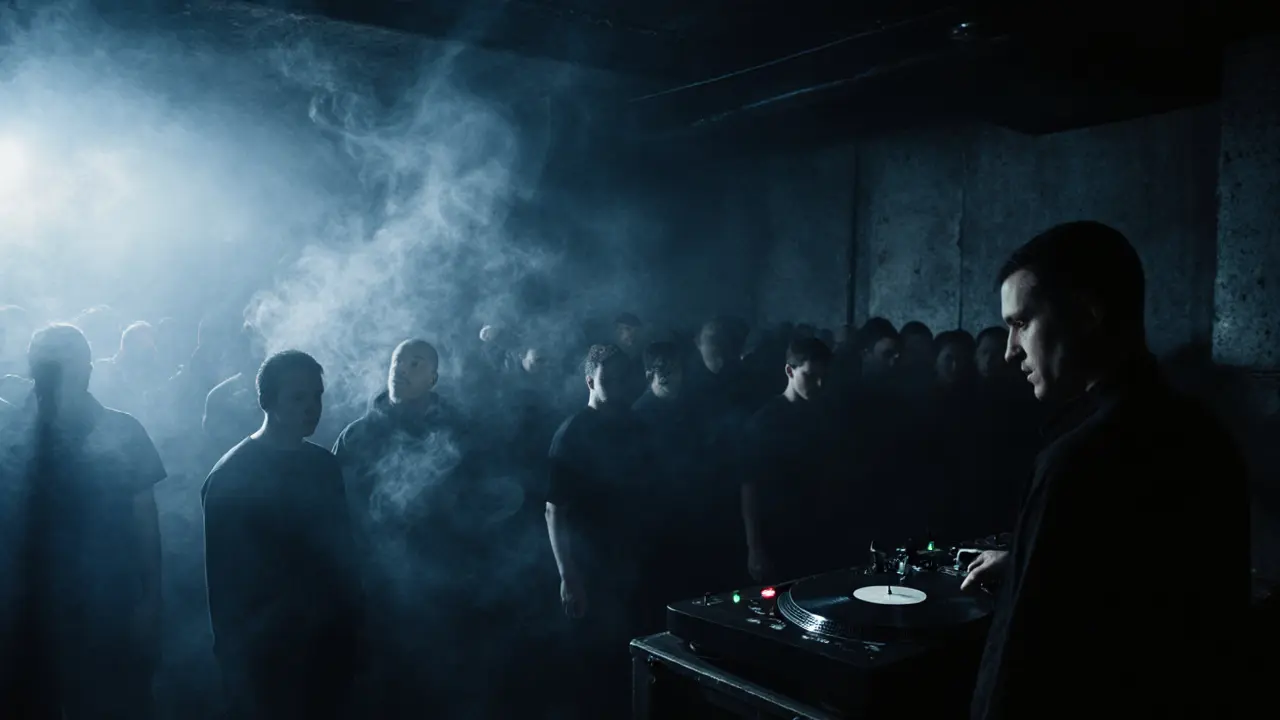
Bovio is one of them. Located in a converted 1920s factory, it’s the city’s most respected techno venue. No VIP section. No bottle service. Just a basement, a sound system that shakes your ribs, and a crowd that’s there for the music-not the photo op. Entry is €12 after midnight. Dress in black. No sneakers. No logos.
For house and disco lovers, L’Albero is the place. It’s not huge, but the DJ lineup is legendary. Regulars include producers from Berlin and Paris who fly in just to play here. The playlist shifts every Friday. One week it’s 80s Italo-disco. The next, it’s deep Detroit techno. Check their Instagram before you go-no website, no phone number.
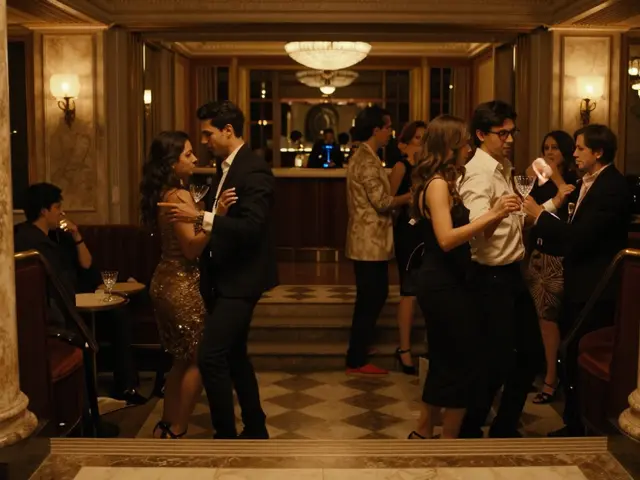
And if you’re looking for something completely different? Try Cova on Via Durini. It’s a retro-lounge bar with velvet couches, vintage lamps, and a piano bar that opens at 1 a.m. A jazz trio plays standards. No one talks. Everyone sips. It’s the kind of place you stumble into and never want to leave.
Where to Avoid: The Tourist Traps
There are places in Milan that look like nightlife but feel like a stage set. Avoid anything with:
- A sign that says "English spoken here"
- Waiters in bow ties
- Prices over €20 for a cocktail
- Lines outside before 10 p.m.
Places like Cova (the one near the Duomo) and Pier 21 are designed for cruise ship groups and bachelor parties. They play Top 40 on loop, charge €25 for a gin and tonic, and don’t even serve real ice. You’ll pay for the view, not the experience.
Same goes for clubs that advertise "World-Famous DJs"-unless you’ve checked the actual lineup on Resident Advisor, assume it’s a fake. Milan’s scene is built on authenticity. If it sounds too loud, too flashy, or too easy to find, it’s not worth your night.
The Local Code: How to Blend In
Milanese nightlife has unspoken rules. Break them, and you’ll stand out-for the wrong reasons.
- Don’t wear sneakers to a club. Even in winter, Italians wear leather boots or loafers.
- Don’t order a vodka soda. If you want something simple, ask for a gin and tonic with tonic from San Pellegrino.
- Don’t rush. Aperitivo lasts two hours. Dinner at 9:30 p.m. is early. Clubs don’t fill until 1 a.m.
- Don’t take photos at the bar unless you’re asked. The Milanese don’t post their nights-they live them.
And if you want to get in anywhere good? Be polite. Say "Buonasera" when you walk in. Smile. Don’t push. The bouncers here don’t care if you’re famous-they care if you’re respectful.
When to Go: Timing Is Everything
Milan’s nightlife changes with the seasons.
In summer (June-August), the canals are packed. Navigli is alive until 4 a.m. Outdoor gigs pop up on rooftops. Bring a light jacket-the night air is cool, even in July.
In winter (November-February), things get cozier. Bars turn on heaters. Jazz lounges fill up. Clubs stay open later because there’s nowhere else to go. Bovio and L’Albero host special events on weekends-check their socials.
Weekends are busy, but Fridays are the real magic. That’s when the city feels like it’s breathing. Sunday nights? Quiet. Most locals are already in bed. Save your energy for Friday and Saturday.
Final Tip: Leave the Guidebook Behind
The best night in Milan doesn’t come from a blog or a travel app. It comes from asking the bartender: "Where do you go after your shift?"
Follow that lead. Walk three blocks. Knock on the door that looks like it shouldn’t open. You’ll find a room with 12 people, a vinyl record spinning, and someone handing you a glass of local wine without saying a word.
That’s Milan after dark. No fanfare. No crowds. Just the right sound, the right light, and the right moment.
Is Milan nightlife safe at night?
Yes, Milan is one of the safest major European cities at night. The main nightlife districts-Navigli, Brera, and Porta Venezia-are well-lit and patrolled. Avoid isolated alleys after 2 a.m., especially near the train station. Stick to busy streets and trusted spots. Most locals walk home alone after midnight without issue.
Do I need to book tables in advance?
For aperitivo spots like Bar Basso or Cantinetta Antinori, no. You’ll wait 10-20 minutes max. For clubs like Bovio or L’Albero, no reservations are taken. Just show up. If you’re planning to dine at a popular restaurant before going out-like Il Luogo di Aimo e Nadia-book ahead. But for bars and clubs, spontaneity works better.
What’s the dress code for Milan clubs?
It’s smart casual. No hoodies, no baseball caps, no sneakers. Men wear dark jeans and a button-down or sweater. Women wear dresses, tailored pants, or stylish boots. You don’t need designer labels, but you do need to look put together. The Milanese judge style, not price tags.
Can I find English-speaking bartenders?
In tourist-heavy areas, yes. In local spots like Bovio, L’Albero, or even Birreria Della Stazione, most bartenders speak basic English-but they’d rather talk about music, wine, or the weather. Learn a few Italian phrases: "Un aperitivo, per favore," "Grazie," and "Dove va la musica?" It goes a long way.
Are there any all-night spots in Milan?
Bovio and L’Albero stay open until 5 a.m. on weekends. Some jazz lounges like Cova (Via Durini) serve drinks until 6 a.m. But most places close by 3 a.m. If you want to keep going, head to a 24-hour café like Caffè Cova in Galleria Vittorio Emanuele II-they serve espresso and pastries all night.