Forget the fashion shows-Milan’s real magic happens after dark
Most people think of Milan as a city of suits, runways, and espresso. But if you’ve ever walked through Navigli at 2 a.m. with a spritz in hand, surrounded by laughter and bass thumping from an old warehouse turned club, you know the truth: Milan doesn’t sleep. It pulses. And if you’re looking for the real pulse, you need to know where to go.
Navigli: Where the canals turn into dance floors
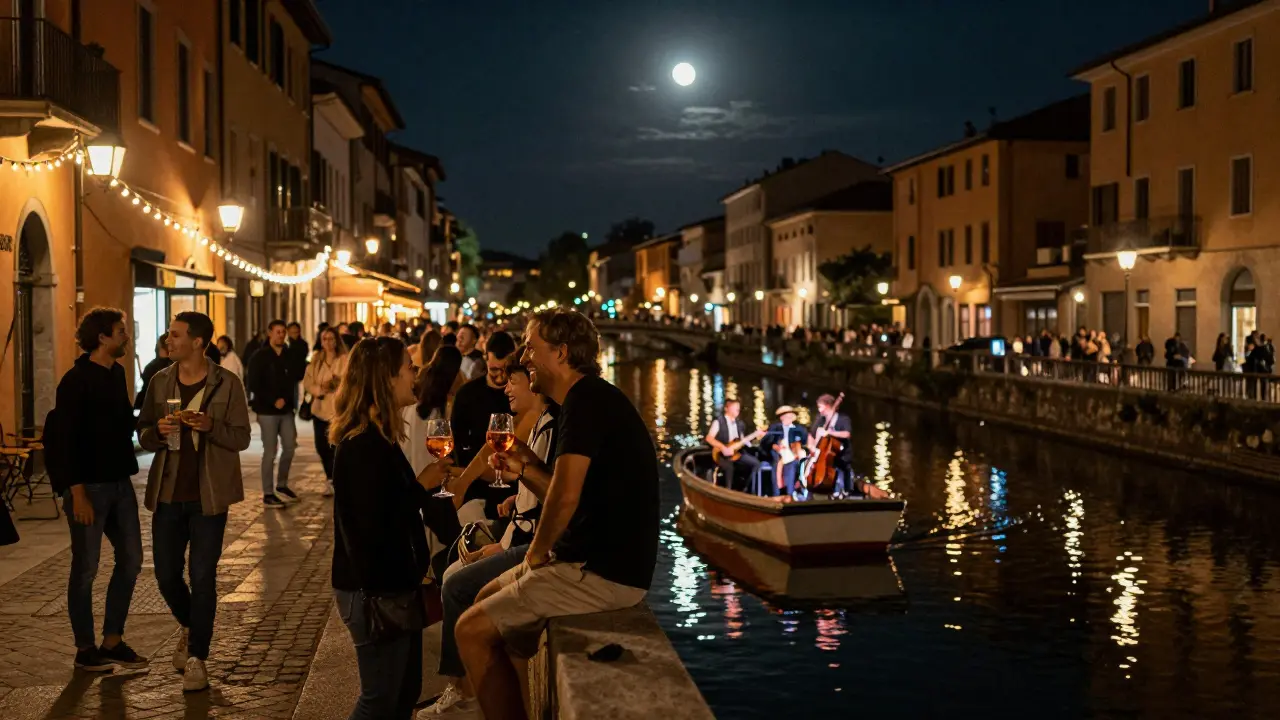
Start here if you want to feel like you stumbled into a secret Italian party. Navigli is a network of old canals lined with bars, live music spots, and pop-up venues that only open after sunset. It’s not one club-it’s a whole neighborhood that becomes a party. On weekends, the sidewalks fill with people holding Aperol spritzes, dancing on tiny balconies, and shouting over live jazz or electronic sets from floating boats. Bar Basso, the legendary spot where the Negroni was invented, stays open late and still draws a crowd. But the real gems are the hidden ones: La Baita for indie rock, Il Giardino Segreto for cocktails under string lights, and Lo Sguardo del Gatto, a tiny bar where the bartender remembers your name and your drink even if you only showed up once last year.
Brera: Chic, quiet, then suddenly loud
By day, Brera is all art galleries and quiet cafés. By night, it transforms. The vibe here is less about thumping bass and more about slow-burning energy. Start with a glass of Barolo at Bar Basso (yes, it’s here too), then move to La Cucina di Brera for tapas and wine until midnight. Around 1 a.m., the crowd shifts to Spazio Oberdan or Teatro degli Arcimboldi, where underground DJs spin vinyl sets in converted theaters. This is the kind of place where you don’t dance-you sway. And when you finally leave, you’ll realize you’ve spent three hours talking to strangers who now feel like friends.
Porta Ticinese: The gritty, glorious heart of Milan’s party scene
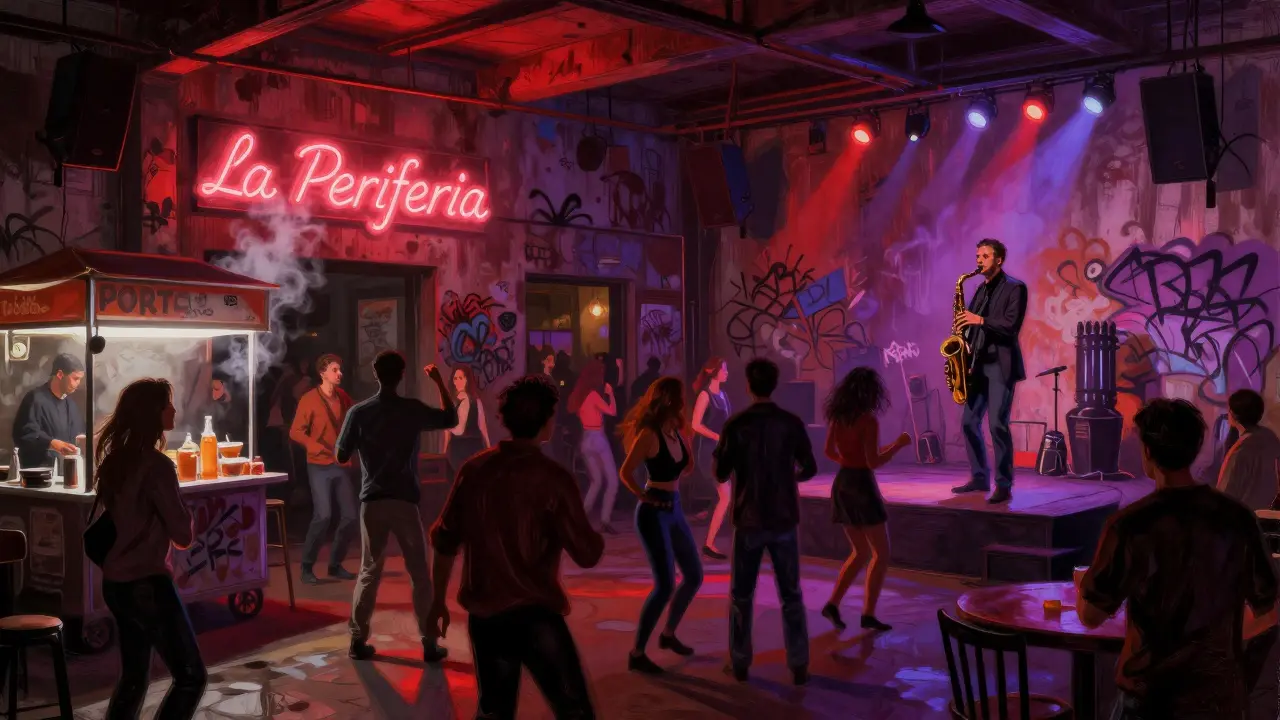
If you want to see Milan’s rawest nightlife, head to Porta Ticinese. This is where students, artists, and expats crash after work. The streets are lined with hole-in-the-wall bars that don’t have signs-just a flickering neon light and a line of people waiting to get in. La Cucina serves cheap beer and even cheaper fries. La Periferia is a warehouse-turned-club that hosts techno nights with no dress code and no bouncers. You don’t need to know the DJ. You just need to show up. And if you’re lucky, you’ll catch a surprise set from a local band that just got signed last week. This isn’t curated nightlife. It’s real. And it’s the reason Milan’s party scene still feels alive.
Corso Como: For the people who want to be seen
If you’re here to sip champagne, wear designer clothes, and be photographed, Corso Como is your spot. It’s not a club-it’s a lifestyle. The original Corso Como 10 is a members-only club with velvet sofas, a rooftop bar, and a strict door policy. You won’t get in unless you’re on the list or know someone who is. But the good news? The surrounding area has plenty of alternatives. Il Baretto and Bar Basso Corso Como are more accessible, with the same sleek vibe but no velvet rope. This is where Milan’s influencers, designers, and international visitors gather. It’s expensive. It’s polished. And if you’re looking for a night that feels like a fashion editorial, this is it.
What to expect: No rules, just rhythm
Milan doesn’t have a single nightlife identity. It’s a mosaic. One night you’re in a 1970s disco revival with glitter walls and disco balls. The next, you’re in a basement where a band plays post-punk covers in Italian. The clubs don’t close at 2 a.m. like in other European cities. Most stay open until 5 or 6, and some-like Baggio or La Scala (not the opera house, the club)-run until sunrise. Dress code? It’s whatever you want. Jeans and a T-shirt work everywhere except Corso Como 10, where they’ll still let you in if you look like you’ve got a story. But don’t show up in sneakers and a hoodie to a VIP lounge expecting to be treated like royalty. Milan notices details.
Pro tips for surviving (and thriving) in Milan’s nightlife
- Start late-Most places don’t get busy until 11 p.m. or later. Don’t show up at 9 p.m. expecting a party.
- Use the metro-It runs until 1:30 a.m. on weekends. After that, grab a taxi or use Uber. Don’t walk alone after midnight in unfamiliar areas.
- Learn a few Italian phrases-Saying “un’altra birra, per favore” or “grazie” goes further than flashing a credit card.
- Bring cash-Many smaller bars and clubs don’t take cards, especially after midnight.
- Ask locals-If you’re stuck, ask a bartender. They’ll point you to the next best spot. Milanese love sharing their secrets.
What you won’t find in Milan
You won’t find neon-lit strip clubs or overpriced bottle service lounges that feel the same as in London or Miami. You won’t find EDM festivals on the Duomo steps. Milan’s nightlife isn’t about spectacle-it’s about soul. It’s about the guy who plays the saxophone at 3 a.m. because he just couldn’t sleep. It’s about the group of friends who turn a parking lot into a dance floor with a Bluetooth speaker. It’s about the silence between songs, the shared look, the unspoken understanding that this moment is rare and real.
Final night: Where to end it
When you’re ready to call it quits, head to Bar Pasticceria Cova on Via Montenapoleone. Open 24/7, it’s the go-to spot for post-party coffee and brioche. The lights are soft. The espresso is strong. And for a few quiet minutes, you can sit there, still buzzing from the night, and realize-you didn’t just party in Milan. You lived it.
What’s the best time to visit Milan for nightlife?
The best months are May through September, when the weather is warm and outdoor bars in Navigli and Porta Ticinese are in full swing. Weekends are packed, especially Friday and Saturday. If you want a quieter vibe, go mid-week-locals still go out, but it’s less crowded and more authentic.
Is Milan nightlife safe for solo travelers?
Yes, but with common sense. Milan is generally safe at night, especially in popular nightlife areas like Navigli, Brera, and Porta Ticinese. Avoid poorly lit side streets after midnight. Stick to busy areas, use registered taxis or Uber, and don’t carry large amounts of cash. Most people are friendly, but always trust your gut.
Do I need to make reservations for clubs in Milan?
For mainstream spots like Corso Como 10 or La Scala, yes-book ahead. For most underground bars and clubs in Porta Ticinese or Navigli, no. You can just show up. But if you’re going on a weekend, arriving before midnight helps you skip the line. Some places have guest lists-ask your hotel or a local barkeep to put your name on one.
What’s the average cost of a night out in Milan?
A drink at a casual bar costs €6-€10. In upscale areas like Corso Como, expect €12-€18. Cover charges at clubs range from €5 to €20, depending on the venue and night. Many places have free entry before midnight. A full night out-drinks, snacks, transport-can cost €40-€80. Budget travelers can keep it under €30 by sticking to local bars and avoiding tourist traps.
Are there any age restrictions for nightlife in Milan?
The legal drinking age in Italy is 18, and most clubs enforce this strictly. You’ll need ID, even if you look older. Some venues, especially those serving alcohol past midnight, may have a minimum age of 21. Always carry a passport or EU ID card-it’s required.