Most tourists think they know Paris at night. Eiffel Tower lights, sidewalk cafés, maybe a cabaret show. But the real Paris after midnight? That’s a different city-one where jazz spills out of basement rooms, where cocktails are made with century-old recipes, and where the bouncers know your name before you do. You won’t find these spots on TripAdvisor. You won’t see them in guidebooks printed in 2020. These are the secrets locals guard like bank codes.
The Backroom Speakeasies of Le Marais
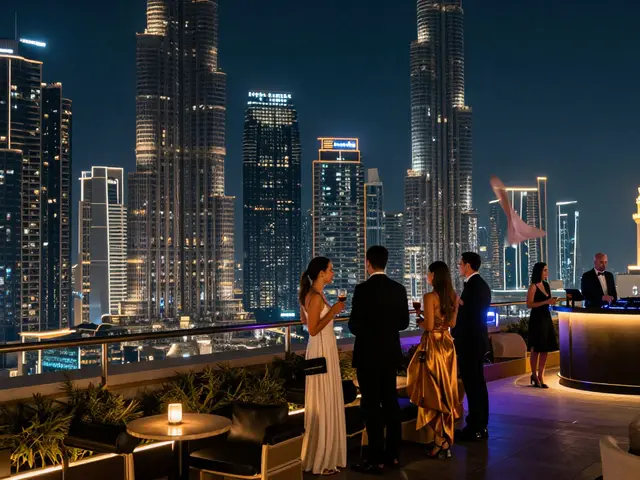
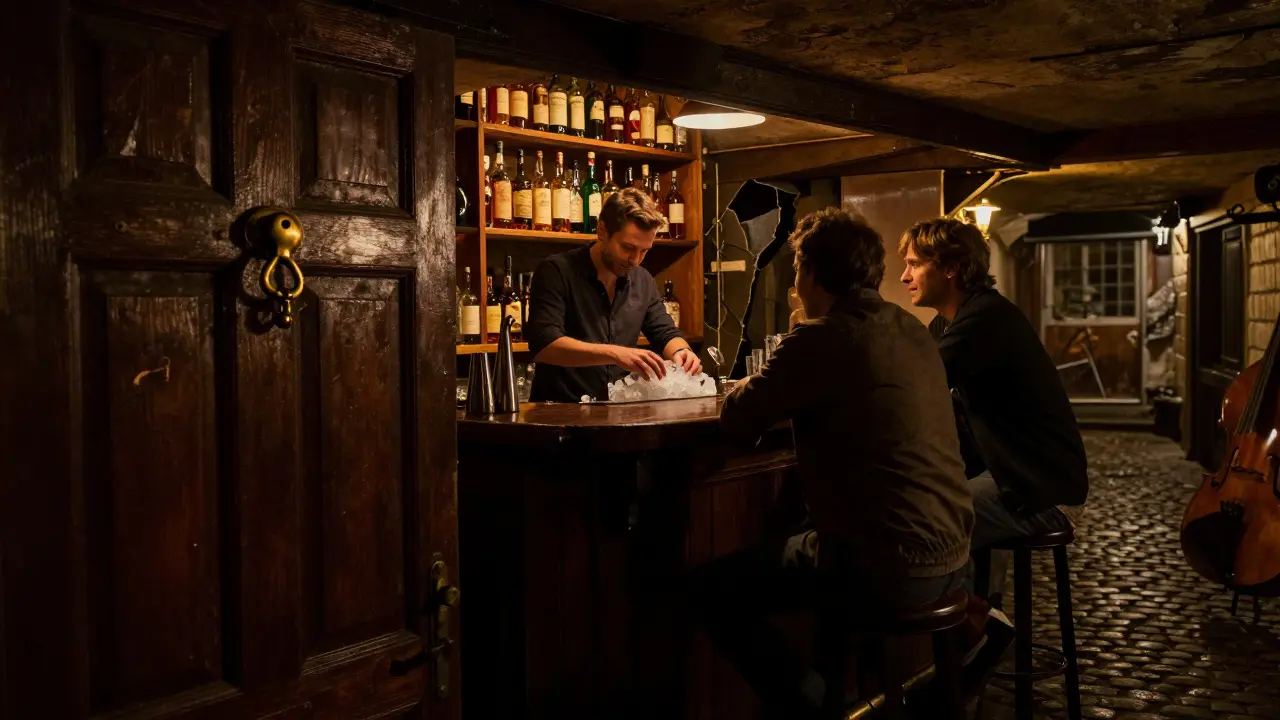
Walk down Rue des Rosiers after 11 p.m. and you’ll see a plain door with no sign. No neon. No logo. Just a single brass knocker shaped like a key. That’s Le Perchoir is a rooftop bar hidden behind an unmarked door in Le Marais, known for its craft cocktails and views over the city’s rooftops. Also known as Le Perchoir Marais, it opened in 2015 and quickly became a favorite among Parisians who want to avoid tourist crowds. Inside, the lighting is low, the ice is hand-chipped, and the bartender asks if you want your gin stirred or shaken-not because it’s fancy, but because they remember your last order.
There are at least seven other hidden bars in this neighborhood alone. One is accessed through a bookshelf in a vintage bookstore. Another hides behind a fridge door in a tiny grocery store. These aren’t gimmicks-they’re traditions. Parisians don’t want to be found. They want to be chosen.
The Jazz Cellars of Saint-Germain-des-Prés
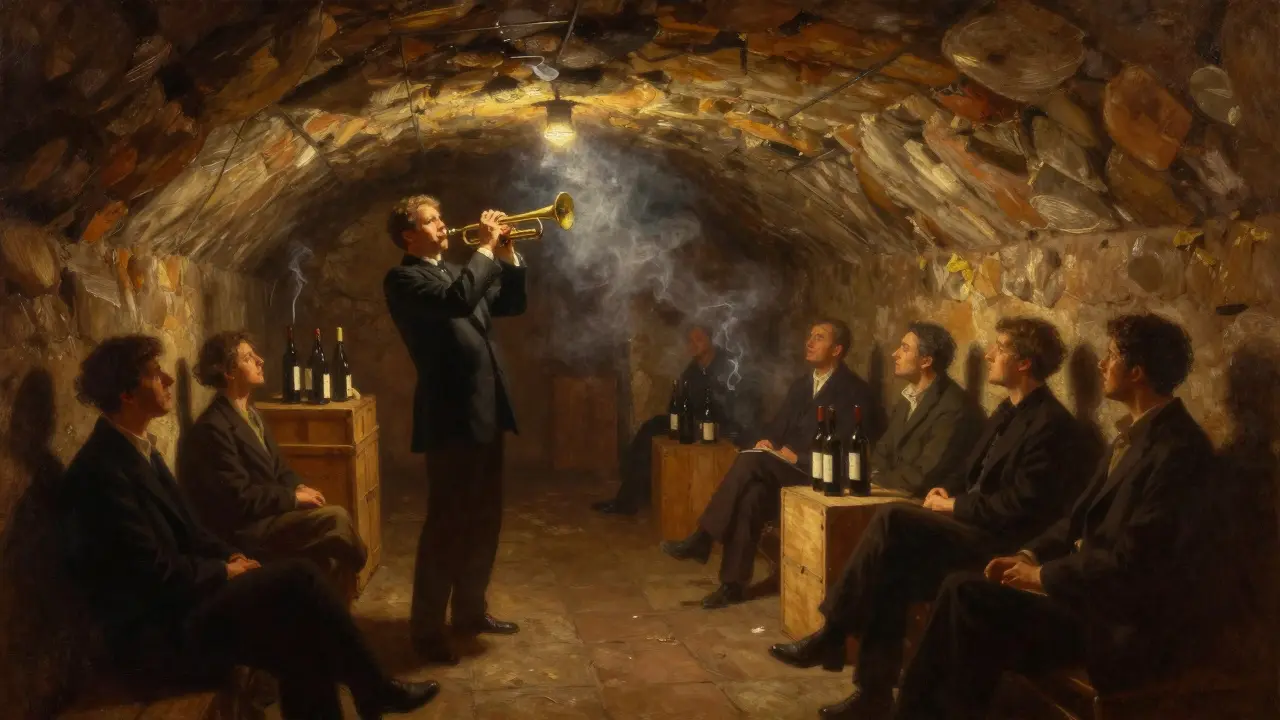
Down a narrow alley behind the Church of Saint-Germain-des-Prés, you’ll find Le Caveau de la Huchette is a jazz club operating since 1946, known for its live swing and hot jazz performances in a medieval cellar. Also known as La Huchette, it has hosted legends like Sidney Bechet and continues to draw crowds of locals and jazz purists. The ceiling is low, the walls are stained with decades of cigarette smoke and sweat, and the band doesn’t stop until 3 a.m. There’s no menu-just wine in glass bottles and a single plate of charcuterie. You come for the music, not the snacks.
It’s not about the crowd. It’s about the silence between notes. That’s what locals say. Tourists clap too loud. Locals wait. They listen. And when the trumpet hits that high note at the end of the set? That’s when you know you’re in the right place.
The Underground Dance Floors of Belleville
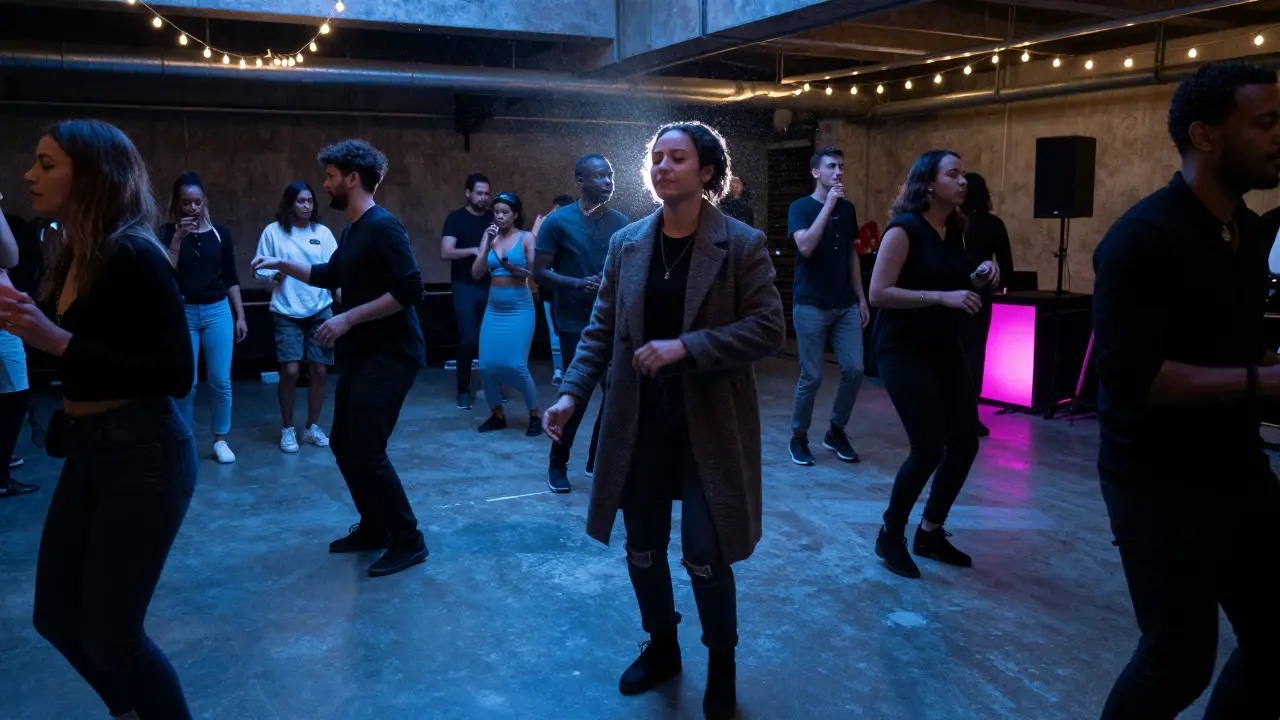
Belleville used to be a working-class neighborhood. Now, it’s where Paris’s most experimental nightlife thrives. Head to La Bellevilloise is a former wine warehouse turned cultural venue, known for its eclectic music events, from techno to Afrobeat, and its raw, unpolished atmosphere. Also known as La Bel, it opened in 2008 and hosts weekly parties that draw artists, DJs, and creatives from across the city on a Friday night. The space is industrial-concrete floors, exposed pipes, no VIP section. The sound system? Built by a local engineer who refused to use commercial speakers. The DJ? Probably someone who works at a bakery by day.
Don’t expect to see anyone on Instagram here. No one’s posing. Everyone’s moving. The music doesn’t follow trends-it invents them. One night it’s Tunisian electro-funk. The next, it’s a live set from a synth-punk band that only plays in basements. This isn’t a club. It’s a community.
The Midnight Book Bars of Montmartre
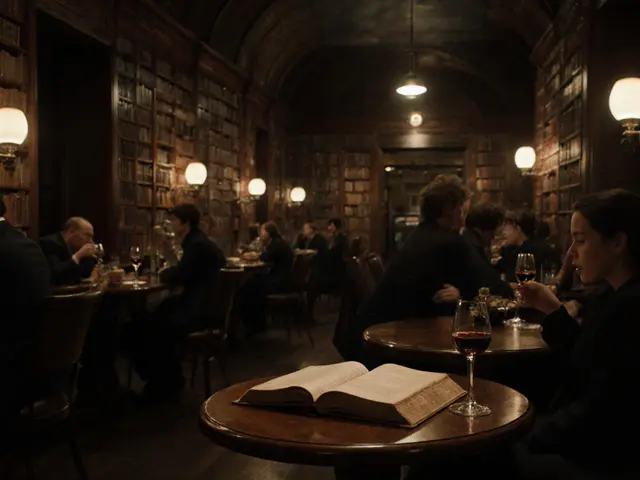
Montmartre isn’t just about the Sacré-Cœur and postcard painters. Tucked above a secondhand bookstore on Rue des Abbesses is Le Comptoir Général is a quirky cultural space combining a bar, library, and art installation, known for its eclectic vibe and themed nights. Also known as Le CG, it opened in 2010 and has become a magnet for writers, musicians, and expats looking for something different. The bar is made from reclaimed wood. The shelves are filled with books in French, English, Arabic, and Spanish. You can grab a Negroni, pick up a novel about 1920s Berlin, and sit by a window watching the streetlights flicker.
Every Wednesday, they host a “Silent Disco Reading Night.” People wear headphones, listen to poetry or short stories, and sip wine while flipping pages. No one talks. No one takes photos. It’s the quietest nightlife in Paris-and one of the most powerful.
The 24-Hour Coffee and Croissant Spots
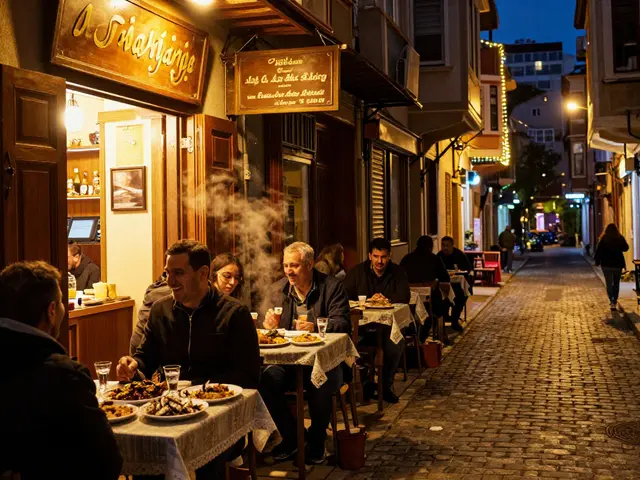
Paris doesn’t shut down at 2 a.m. Not really. In the 10th arrondissement, Café de la Gare is a 24-hour café known for its strong coffee, fresh pastries, and late-night crowd of artists, taxi drivers, and night owls. Also known as La Gare, it opened in 2012 and has become a refuge for those who can’t-or won’t-sleep stays open all night. The espresso is dark, the croissants are buttery, and the staff knows your face even if you show up at 3 a.m. after a club. You’ll find students finishing papers, musicians waiting for their ride, and old men playing chess with no board-just their fingers on the table.
There’s no Wi-Fi. No playlists. Just the hiss of the espresso machine and the clink of spoons. It’s the kind of place that doesn’t care if you’re a tourist or a local. You’re just someone who needs a warm cup and a quiet corner.
How to Find These Places Without Getting Lost
You won’t find addresses on Google Maps. These spots don’t want to be easy to find. But here’s how to get in:
- Ask a bartender where they go after their shift ends. Don’t ask for a club-ask for a place they’d bring their sister.
- Follow the music. If you hear live jazz, soul, or experimental beats drifting from a basement, go in. No sign? Knock twice.
- Look for places with no windows. The best spots are often hidden in courtyards or behind locked doors.
- Go on a Tuesday or Wednesday. Weekends are for tourists. Weeknights are for locals.
- Dress like you’re going to dinner, not a party. No hoodies. No sneakers. A simple black coat and closed shoes will get you past any bouncer.
And here’s the one rule: Don’t take photos. Don’t post about it. If you do, the place will change. Or disappear.
What to Avoid
Steer clear of the clubs on the Champs-Élysées. They’re expensive, loud, and full of people trying to be seen. The same goes for the fake “French cabarets” that charge €80 for a show and serve lukewarm wine. These aren’t Parisian nightlife. They’re performance art for foreigners.
Also avoid places that require reservations online. If it’s easy to book, it’s not secret. The real spots don’t have websites. They have word-of-mouth lists. They have phone numbers you get from a friend of a friend.
When to Go
Paris nightlife doesn’t start at 9 p.m. It starts at midnight. Bars fill up around 1 a.m. Clubs don’t get busy until 2:30 a.m. The best time to arrive? Just after the last metro train leaves. That’s when the real crowd shows up.
And if you’re lucky? You’ll leave at 6 a.m., walking home past empty streets, the city still asleep, and you’ll feel like you’ve seen something no guidebook will ever show you.
Are these hidden bars safe for tourists?
Yes, they’re safe-but only if you respect the rules. These spots aren’t dangerous; they’re private. Locals appreciate visitors who are quiet, polite, and don’t take photos. If you act like you’re at a club in Las Vegas, you’ll be asked to leave. But if you sit, listen, and order a drink without asking for a menu, you’ll be welcomed.
Do I need to speak French to get in?
Not necessarily, but basic phrases help. Saying "Bonjour," "Merci," and "Une bière, s’il vous plaît" goes further than any translation app. Most bartenders speak English, but they’ll notice if you don’t try. It’s not about fluency-it’s about effort.
How much should I expect to pay?
Cocktails cost €12-€18. Wine by the glass is €8-€12. You won’t find €30 cocktails here. These aren’t luxury spots-they’re neighborhood joints. The price reflects quality, not branding. And if a place charges more than €20 for a drink, it’s probably not one of the real secrets.
Can I bring a group of friends?
Small groups are fine-three or four people. Large groups (five or more) are discouraged. These places are intimate. They’re not designed for bachelor parties or Instagram photo ops. If you come with a loud group, you’ll be turned away. Better to go in twos or threes and let the night unfold naturally.
What’s the dress code?
Smart casual. No shorts, no flip-flops, no baseball caps. A dark jacket, clean jeans, and closed shoes work everywhere. Parisians dress like they’re going to dinner, even if they’re going to a basement jazz club. It’s not about looking rich-it’s about showing respect.
What Comes Next
If you’ve found one of these places and felt the quiet thrill of being in on a secret, you’re already part of the scene. The next step? Go back. Bring someone new. Don’t tell them where you’re going. Let them figure it out. That’s how the secrets stay alive.
Paris doesn’t need more Instagram influencers. It needs more people who show up quietly, listen longer, and leave without taking anything but a memory.