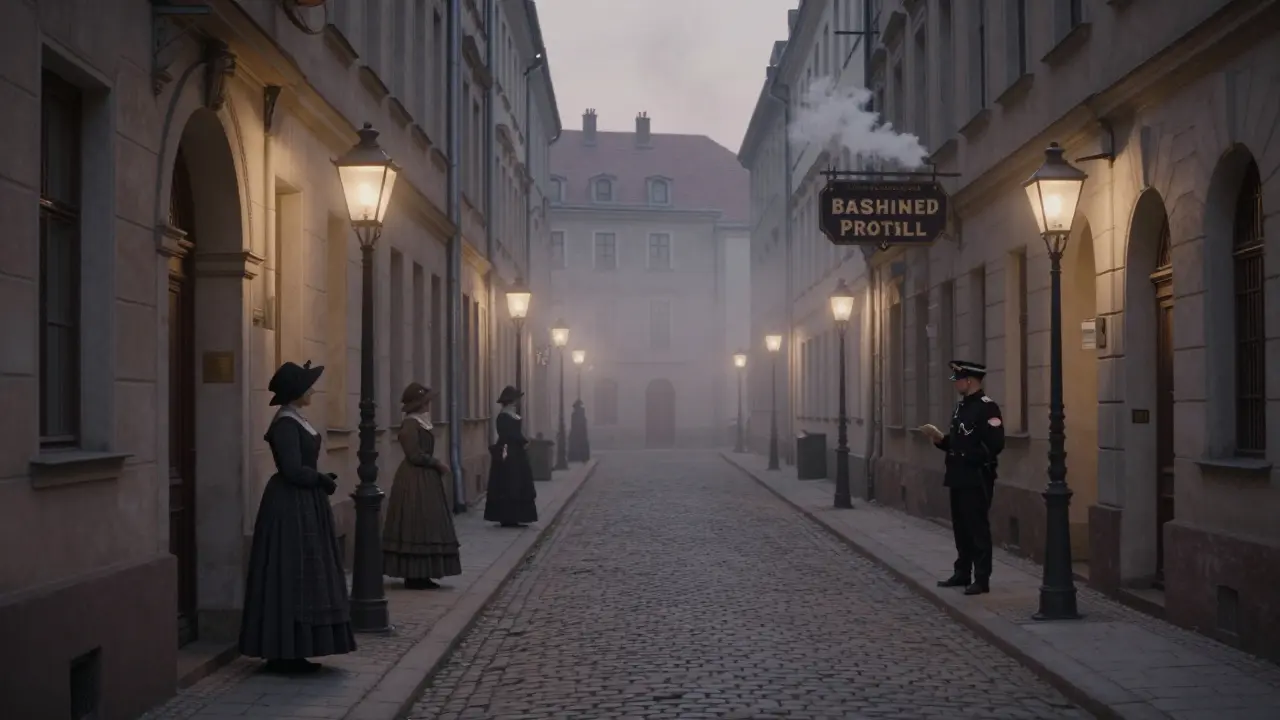
When you walk through the streets of Berlin today, you might notice the quiet presence of escort agencies, discreetly lit windows, or ads tucked between cafes and bookshops. But this isn’t new. Berlin has had a complex, shifting relationship with sex work for over a century - one shaped by war, politics, economic collapse, and cultural rebellion. The escort services you see now are the result of decades of legal battles, social stigma, and quiet resilience.
19th Century: The Birth of a Red-Light District
In the 1800s, Berlin was growing fast. Industrialization pulled thousands into the city, many of them young men with little money and no family nearby. Prostitution wasn’t illegal - it was regulated. The city set up licensed brothels, known as Spelunken, in areas like Scheunenviertel and later in the Kreuzberg district. Women were required to register, undergo weekly medical checks, and carry identity cards. Failure meant jail or forced labor.
By the 1880s, Berlin had one of the highest concentrations of sex workers in Europe - around 10,000 registered women. Unregistered workers, often immigrants or the desperately poor, lived in fear of police raids. Still, demand never dropped. Soldiers, merchants, and even university students frequented these areas. The city turned a blind eye because it brought in taxes and kept public order - sort of.
1920s: The Golden Age of Freedom
The Weimar Republic changed everything. After World War I, Berlin became a magnet for artists, writers, and radicals. The city was wild, loud, and unapologetic. Cabarets like the Kit Kat Klub and the Eldorado hosted drag shows, open discussions about sexuality, and escort services that blurred the lines between entertainment and intimacy.
Escort work wasn’t just about sex. It was companionship - dinner dates, theater outings, travel. Many women worked independently, setting their own rates and choosing their clients. Some became celebrities. One famous figure, Lulu, inspired the play Pandora’s Box and later a film by G.W. Pabst. Her story wasn’t fiction - she was real, and she made more in a week than most factory workers made in a month.
Police didn’t crack down. The state even published guides for tourists listing "reputable" establishments. Berlin was the only city in Europe where you could openly advertise escort services in newspapers. The city didn’t just tolerate sex work - it celebrated it as part of its modern identity.
1933-1945: Suppression and Horror
When the Nazis took power in 1933, everything changed. They didn’t just ban prostitution - they weaponized it. Women deemed "undesirable" - Jewish, Roma, LGBTQ+, or politically active - were arrested and sent to concentration camps. Brothels were shut down or repurposed for SS officers. The regime claimed to protect "moral purity," but in reality, they used sex work as a tool of control.
At the same time, the military ran official brothels for soldiers on the Eastern Front. These weren’t hidden - they were organized, sanitized, and mandatory for troops. Women were brought in from occupied territories under false promises of employment. Many never returned. The Nazi regime didn’t end prostitution - it turned it into a system of exploitation.
1945-1989: Divided City, Divided Laws
After the war, Berlin was split. In West Berlin, the Allies kept the Weimar-era regulations: registration, health checks, no streetwalking. But enforcement was weak. The city was full of displaced people, GIs, and refugees. Escort services bounced back quickly - now centered in the Kurfürstendamm area.
East Berlin under the GDR was different. The state claimed to have eliminated prostitution. In reality, it just drove it underground. Women who engaged in sex work were labeled "moral deviants" and punished with forced labor or psychiatric treatment. But demand didn’t disappear. Western tourists, diplomats, and even Stasi officers paid for companionship. Black-market escort networks operated quietly, often through hotel staff or trusted contacts.
By the 1980s, West Berlin’s escort scene had evolved. Women started working as independent contractors. Agencies appeared, offering translation services, security, and legal advice. The first feminist groups began advocating for decriminalization, arguing that regulation didn’t protect workers - it punished them.

1990s-2000s: Reunification and Legalization
After the Wall fell, Berlin became a melting pot again. Thousands of women from Eastern Europe arrived, seeking work. Many entered the escort industry out of economic necessity. The city struggled to adapt. Laws were outdated. Police were overwhelmed. And the public was divided.
In 2002, Germany passed the Prostitution Act. For the first time, sex work was recognized as a legitimate profession. Workers could sign contracts, pay taxes, and access social security. In Berlin, this meant licensed agencies could operate legally. Women could open bank accounts under their real names. It wasn’t perfect - many still worked illegally to avoid bureaucracy - but it was a turning point.
By 2005, Berlin had over 200 registered escort agencies. Most were small, family-run businesses. Many employed translators, drivers, and security staff. The city even launched a public health campaign: free STI testing, legal aid hotlines, and safe spaces for workers to report abuse.
2010s-2020s: Digital Shift and New Challenges
The rise of the internet changed everything. Platforms like OnlyFans, social media, and private booking apps made it easier for escorts to work independently. No more agencies. No more street corners. Just a smartphone and a quiet apartment.
Today, most escort services in Berlin operate online. Clients find workers through encrypted messaging apps or niche websites. Many workers are students, artists, or immigrants who value flexibility. Some work part-time. Others have built full businesses - offering language lessons, travel companionship, or emotional support alongside intimacy.
But problems remain. Human trafficking still exists, often hidden behind fake "modeling" or "tour guide" ads. Police focus on these cases, but they rarely catch the traffickers - only the vulnerable workers. Meanwhile, gentrification pushes many out of central neighborhoods. The old red-light zones are now luxury condos.
Still, Berlin remains one of the most open cities in Europe when it comes to sex work. The city council has rejected calls to ban online escort ads. Instead, they’ve invested in education programs and worker cooperatives. In 2023, a pilot project gave 500 sex workers access to free mental health counseling - and 78% reported feeling safer than before.
Why Berlin Still Tolerates Escort Services
It’s not about morality. It’s about pragmatism.
Other cities tried criminalization. Stockholm banned clients. Sweden forced workers into rehabilitation. The results? More violence, more trafficking, more deaths. Berlin chose a different path: regulation, health care, and respect.
Sex workers here aren’t criminals. They’re residents. They pay taxes. They rent apartments. They send their kids to school. The city recognizes that banning something doesn’t make it disappear - it just makes it dangerous.
Today, you won’t find neon signs or streetwalkers in Berlin. You’ll find quiet ads on secure websites, discreet meetings in public cafés, and women who choose this work because it gives them control - over their time, their income, and their lives.

What It’s Like Today
Walk into a Berlin café in Neukölln or Friedrichshain on a Tuesday afternoon. Look around. One of the women sipping espresso might be an escort. She might have a meeting in an hour. Or she might be studying for her law degree. She might be from Ukraine, Romania, or Brazil. She might be single. She might be a mother. She might be here because she had no other choice - or because she likes the freedom.
There’s no single story. There are hundreds. And Berlin, more than any other city, lets them exist without shame.
How the City Supports Workers
Berlin doesn’t just allow escort services - it helps those who do them.
- Free monthly health screenings at the Projekt Prostitution clinic in Mitte
- Legal advice hotlines available in 12 languages
- Workshops on financial planning and digital safety
- Emergency housing for those fleeing abuse or exploitation
- A city-funded app that lets workers anonymously report threats or scams
In 2024, over 1,200 workers used these services. Not because they were forced - but because they wanted to stay safe.
What’s Next?
The next big debate isn’t about legality. It’s about dignity.
Some activists want to remove the word "escort" from official documents and replace it with "intimate companion" to reduce stigma. Others want to expand the legal definition to include emotional labor - recognizing that many workers provide therapy, translation, or companionship, not just sex.
One thing is certain: Berlin won’t go back to the dark days. The city learned too much. The workers learned too much. And the public? They’re starting to see the people behind the ads.
Is it legal to hire an escort in Berlin today?
Yes, it’s legal. Since 2002, sex work has been recognized as a legitimate profession in Germany. Escorts can work independently or through licensed agencies. Clients aren’t prosecuted. The only illegal activities are human trafficking, coercion, and working under 18.
Are escort services in Berlin safe?
Safety varies. Independent workers using verified platforms tend to be safer than those working on the street or through unregulated websites. Berlin offers free health checks, legal aid, and a reporting app for workers. Many agencies now require ID verification and client screening. Still, scams exist - always use trusted channels and avoid cash-only deals.
Do escorts in Berlin have to register with the government?
Registration is optional. Since 2002, workers can choose to register to access social benefits like health insurance and pensions. Most independent workers don’t register - they prefer privacy. Agencies, however, must be licensed and report income to tax authorities.
How do I find a legitimate escort service in Berlin?
Look for agencies listed on official city-approved platforms like Berlin-Sex-Arbeit or Prostitution Info Berlin. Avoid sites that ask for upfront payments, don’t show worker photos, or refuse video calls. Reputable services allow you to meet in public first, have clear pricing, and provide contact details. If it feels off, trust your gut.
Can foreigners work as escorts in Berlin?
Yes, as long as they have legal residency or a valid work visa. Many workers come from Eastern Europe, Latin America, and Southeast Asia. The city offers language classes and legal support for migrant workers. But beware of traffickers posing as recruiters - always verify your employer and never surrender your passport.
Final Thoughts
Berlin’s history with escort services isn’t about sex. It’s about survival. It’s about power. It’s about who gets to decide what’s moral - and who gets left out of that conversation.
For over 150 years, the city has watched, regulated, suppressed, and finally - slowly - accepted. Today’s escorts aren’t relics of a seedy past. They’re part of Berlin’s present. And if the city keeps listening, they’ll shape its future too.