Most tourists in Istanbul stick to the same few spots: Istiklal Street, the Bosphorus waterfront bars, and the overpriced rooftop lounges with view-only prices. But if you’ve been there before, you know the real magic happens where the locals go-away from the selfie sticks and tour group chants. Istanbul’s nightlife isn’t just about dancing until dawn. It’s about stumbling into a basement jazz club where the bartender remembers your name, finding a rooftop with no sign but the best raki in the city, or getting pulled into a spontaneous folk music session in a backroom in Kadıköy.
The Underground Bars That Don’t Show Up on Google Maps
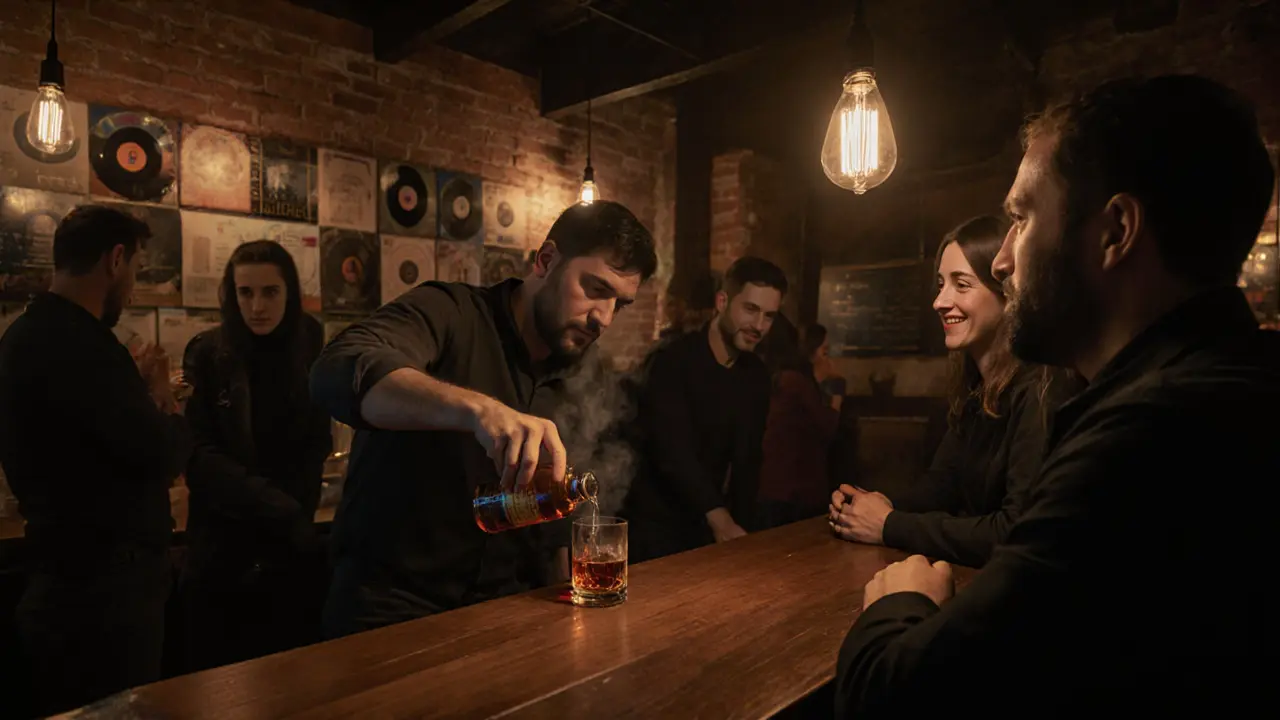
You won’t find Istanbul nightlife gems by typing ‘best bars’ into Google. The real ones don’t have websites. They don’t have Instagram accounts. They’re passed down like family recipes. In Beyoğlu, behind an unmarked door next to a dry cleaner, lies Bar 1914. No menu. No lights. Just a single bulb over a wooden counter and a bartender who asks, ‘What do you feel like tonight?’ You tell him your mood-he gives you a drink. Sometimes it’s a smoky Turkish whiskey. Sometimes it’s a cocktail made with fig syrup and black tea. No names. No prices. You pay what you think it’s worth.
In Karaköy, Deniz hides inside an old Ottoman warehouse. The entrance is a narrow staircase under a laundry shop. Inside, it’s all exposed brick, low lights, and vinyl spinning Turkish psych-rock. The crowd? Artists, musicians, retired sailors, and expats who’ve been here longer than they care to admit. No cover. No reservations. Just a sign on the door that says ‘Come in if you’re not in a hurry.’
Kadıköy: Where the City Actually Comes Alive
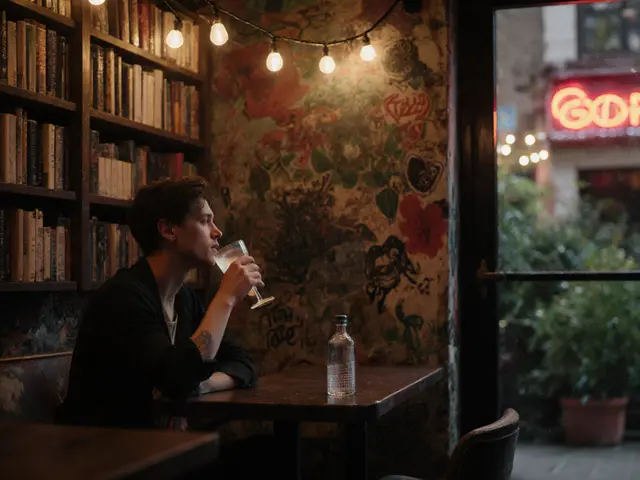
Many visitors think nightlife means Beyoğlu. But after midnight, Kadıköy on the Asian side becomes the heartbeat of Istanbul. It’s quieter, wilder, and way more real. Chill Out, a tiny bar tucked into a converted bookshop, serves drinks named after Turkish poets. The walls are covered in handwritten lyrics from local indie bands. On Fridays, the owner brings out a bağlama and everyone sings along. No one’s recording it. No one’s posting it. It’s just music, shared.
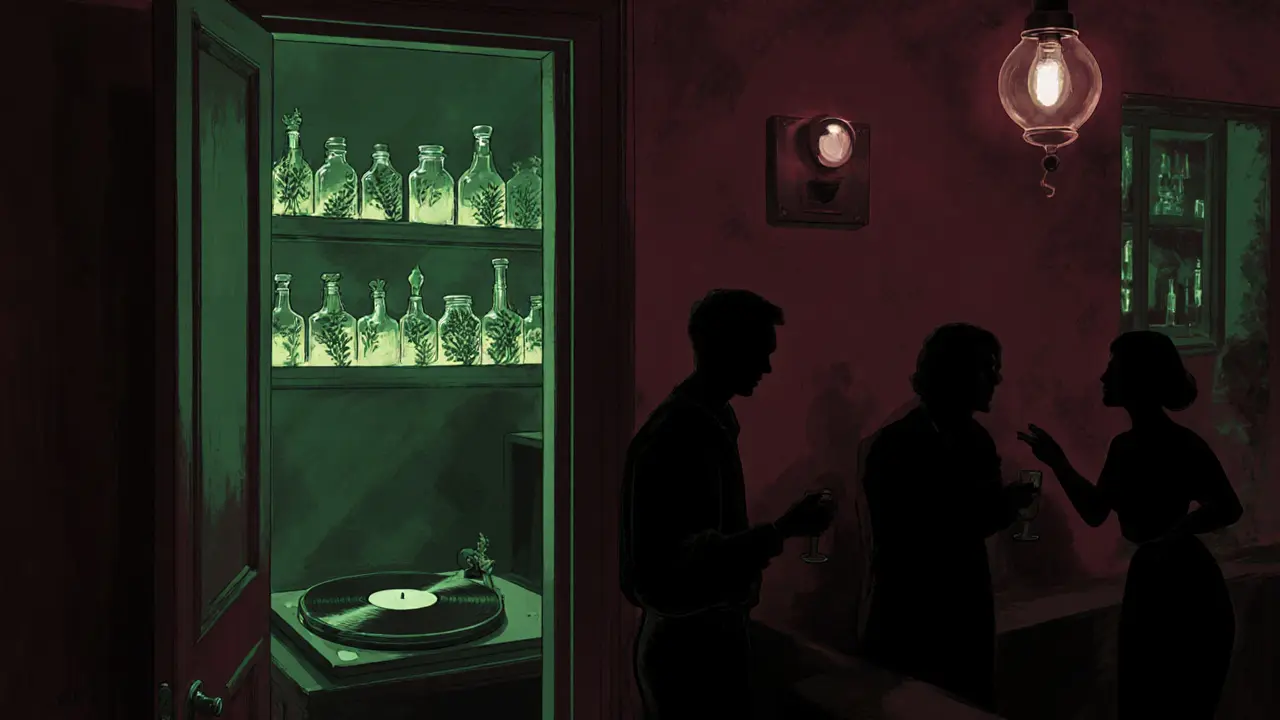
Down the street, Asma is a speakeasy-style bar with no sign. You need a code-text a friend who’s been there. Inside, the cocktails are made with herbs from the owner’s garden on the Princes’ Islands. The gin? Distilled in a tiny workshop in Üsküdar. The vermouth? Made from wild thyme picked in the hills near Bolu. It’s not fancy. It’s not loud. But it’s the kind of place you’ll remember for years.
The Rooftops That Don’t Want You
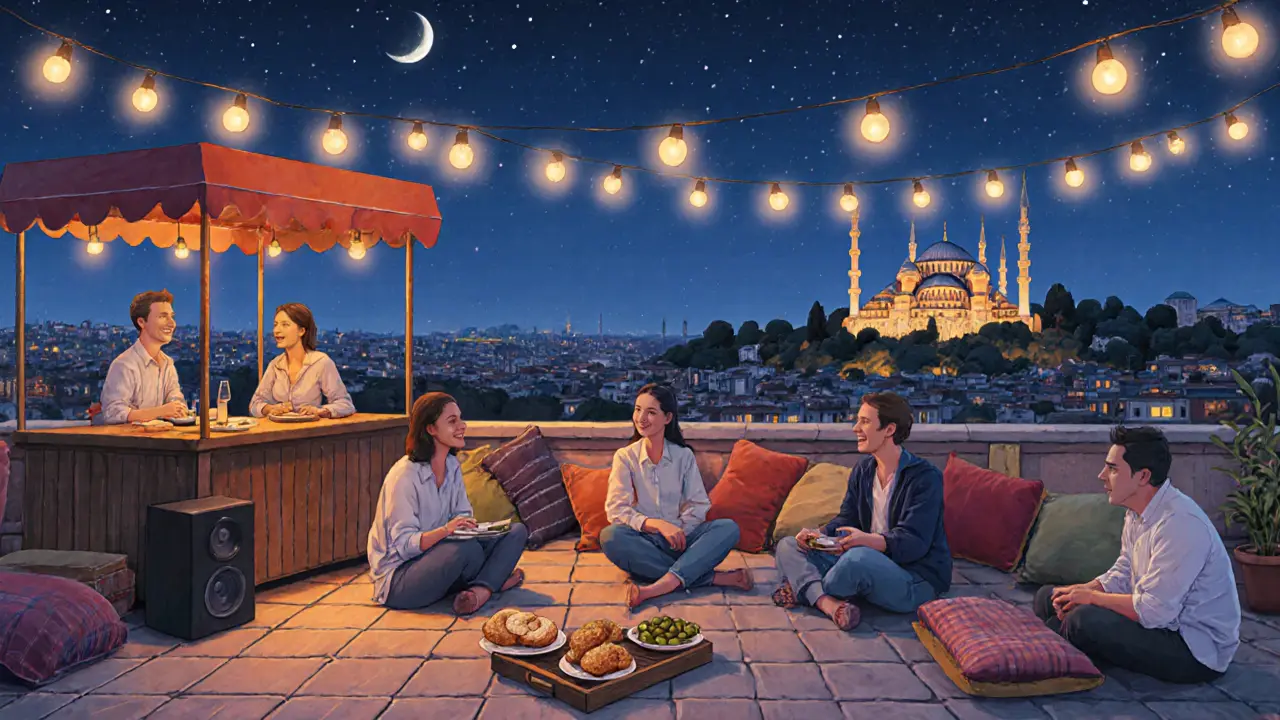
Yes, there are rooftop bars with views of the Blue Mosque. And yes, they charge €40 for a glass of wine. But there are others-places where the view is just as good, but the vibe is pure local. In Ortaköy, above a falafel stand, there’s a rooftop called Çatı. No chairs. Just cushions on the floor. A single speaker plays old Turkish pop. The owner brings out fresh simit and olives for free. You sit with strangers. You talk. You laugh. You don’t leave until the stars feel close enough to touch.
On the other side of the Bosphorus, in Üsküdar, Yalı is a rooftop built into an old wooden seaside house. The bar is made from salvaged ship wood. The drinks? Only Turkish spirits-raki, şalgam, and homemade fruit brandies. No tourists. No DJs. Just the sound of waves and the occasional call to prayer drifting across the water.
Clubs That Don’t Call Themselves Clubs
Forget the big-name clubs with bottle service and velvet ropes. The real party spots in Istanbul are the ones that change every week. Lab is a warehouse in Zeytinburnu that transforms into a club every Saturday. One week it’s techno. The next, it’s Turkish hip-hop with live oud players. The next, it’s a silent disco with headphones handed out at the door. No posters. No tickets. Just a WhatsApp group. You join, you get the location at 8 p.m., you show up.
Then there’s Yeraltı-‘Underground’-a basement in Fatih that only opens when the owner feels like it. Sometimes it’s a poetry reading. Sometimes it’s a live band playing reformatted Turkish folk songs. Sometimes it’s just a guy with a turntable and a stack of 1970s Turkish vinyl. You never know what you’ll get. But you always leave with something you didn’t expect.
When to Go and What to Wear
Don’t show up before 11 p.m. Istanbul doesn’t wake up until then. The city breathes slow. Dinner ends at 10. The streets fill at 11. The music starts at midnight. And the real nights? They end at sunrise.
As for dress code? Skip the suits and high heels. Istanbul’s best spots don’t care what you wear-just that you’re present. Jeans, a good pair of shoes, and a light jacket are enough. In summer, sandals are fine. In winter, bring a coat. The real rule? Be open. Be curious. Don’t rush. The city will reward you.
What to Drink
Yes, you can get a mojito. But why? Istanbul has its own drinks that tell its story. Start with raki-anise-flavored spirit, served with water and ice. It turns milky white when you mix it. It’s the national drink. Drink it with meze: grilled octopus, stuffed grape leaves, spicy cheese.
Try şalgam-a fermented purple carrot juice, sour, spicy, and weirdly addictive. Locals drink it after a long night. It’s like a savory energy drink. Then there’s ayran, the yogurt drink. It’s not just for lunch. At midnight, after three rakis, it’s the only thing that brings you back.
And if you’re feeling brave, ask for hurma şarabı-date wine. Made in a small village near Adana. Sweet, dark, and rare. You’ll find it only in a handful of hidden bars. Ask for it by name. If they know it, you’ve found the right place.
How to Find These Places
You won’t find them on TripAdvisor. You won’t find them on Google Maps. You find them by talking to people. Ask the hotel concierge if they have a favorite spot they go to on their day off. Ask the waiter at your dinner table where they go after work. Ask the taxi driver if he knows a place with no name.
Follow local Instagram accounts like @istanbulnights or @kadikevren. Not the glossy ones. The ones with grainy photos and no captions. They post locations at midnight. One post. One location. Then it’s gone.
Or just wander. Walk down a side street after 1 a.m. Listen for music. Look for a door slightly open. Smell the smoke from a grill or the scent of herbs from a cocktail. Knock. If someone answers and smiles? You’re in.
Why This Matters
Istanbul’s nightlife isn’t about partying. It’s about connection. It’s about finding moments that feel real in a world full of curated feeds and paid promotions. These hidden spots aren’t secret because they’re exclusive. They’re secret because they don’t want to be found by people who just want to check a box.
When you sit in a basement with strangers, sharing a bottle of homemade brandy and listening to a 70-year-old man play a bağlama like his heart’s breaking-you’re not a tourist anymore. You’re part of the city’s rhythm. And that’s the only thing worth remembering.
Is Istanbul nightlife safe for solo travelers?
Yes, Istanbul’s hidden nightlife spots are generally safe for solo travelers, especially in neighborhoods like Kadıköy, Beyoğlu, and Karaköy. The vibe is more community-driven than tourist-driven. Locals look out for each other. Stick to places where people are talking, laughing, or listening to music-not just standing in lines or staring at phones. Avoid isolated alleys after 3 a.m., and always trust your gut. If a place feels off, walk away. Most hidden bars have regulars who’ll warn you if something’s wrong.
Do I need to speak Turkish to enjoy Istanbul’s hidden bars?
Not at all. Many bartenders in hidden spots speak English, especially younger locals who’ve traveled or studied abroad. But learning a few phrases helps-‘Teşekkür ederim’ (thank you), ‘Bir şey istiyorum’ (I want something), ‘Ne önerirsiniz?’ (What do you recommend?)-goes a long way. Often, the best experiences happen when you point, smile, and let the bartender surprise you. Language isn’t the barrier; openness is.
Are these hidden spots expensive?
No. Most hidden bars charge between 100 and 250 Turkish lira for a drink-about $3 to $8. Some, like Chil Out or Yeraltı, don’t even have prices listed. You pay what you think it’s worth. Compare that to tourist bars charging €25 for a gin and tonic. In the real Istanbul, the value isn’t in the label-it’s in the conversation, the music, the moment. You’ll leave richer in memories, not poorer in cash.
What’s the best night of the week for hidden nightlife?
Friday and Saturday nights are the most active, but Tuesday and Wednesday can be even better. That’s when locals let their guard down. Fewer tourists. More music. More spontaneous gatherings. At Lab in Zeytinburnu, Tuesday nights often turn into impromptu poetry slams. At Asma in Kadıköy, Wednesday is ‘Vinyl Night’-only records from the 60s and 70s. If you want the real pulse of the city, skip the weekend rush and go midweek.
Can I find vegan or vegetarian options in these hidden spots?
Absolutely. Turkish cuisine is naturally rich in plant-based options. Most hidden bars serve meze like hummus, eggplant salad, stuffed peppers, lentil soup, and grilled vegetables. Places like Chil Out and Deniz have vegan-friendly menus. Ask for ‘bitki bazlı’ (plant-based) or ‘vegan’-they’ll understand. Even raki pairs perfectly with roasted beets and walnut-stuffed grape leaves. You don’t need to compromise flavor to eat well in Istanbul’s underground scene.
If you want to experience Istanbul the way the people who live here do, skip the brochures. Skip the Instagram influencers. Walk down the side streets. Listen for music. Follow the smell of grilled meat and herbs. Knock on the door that doesn’t have a sign. The city doesn’t need you to find it. It’s already waiting.