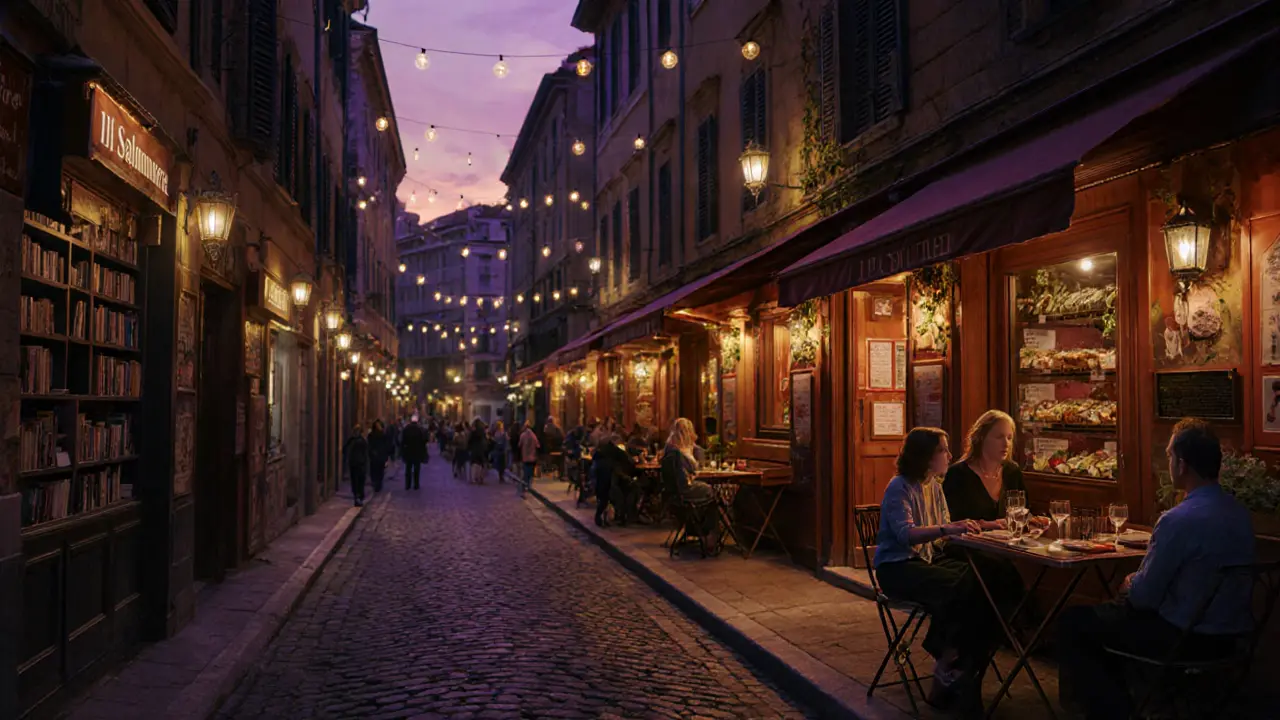
When the sun sets in Milan, the city doesn’t sleep-it transforms. Forget what you think you know about Italian nightlife. Milan isn’t just about fashion shows and espresso. By 10 p.m., the streets of Brera, Navigli, and Porta Venezia buzz with people sipping aperitivi, dancing to live jazz, or sipping craft cocktails in hidden courtyards. This isn’t a tourist trap. This is where locals go when they want to feel alive.
Start with the Aperitivo Ritual
If you want to understand Milanese nightlife, you start with aperitivo. It’s not just a drink. It’s a culture. Between 6 p.m. and 9 p.m., bars across the city offer unlimited snacks with any cocktail, wine, or beer. You pay €12-€18 and get access to a buffet that often includes hot croquettes, stuffed mushrooms, arancini, and even mini lasagna. Some places go all out: Bar Basso in the city center serves its legendary Negroni Sbagliato with a side of artisanal salumi. Others, like La Periferia in Porta Genova, turn their rooftop into a picnic-style spread with vegan options and local cheeses.
The trick? Go early. By 8:30 p.m., the best spots are packed. Locals know to arrive at 6:30 p.m. to grab a table, eat well, and then move on. Skip the tourist-heavy aperitivo spots near Duomo. Head to Bar del Fico in Brera instead. It’s small, no signs, and the bartender remembers your name by the third visit.
Brera: Where Art Meets After-Hours
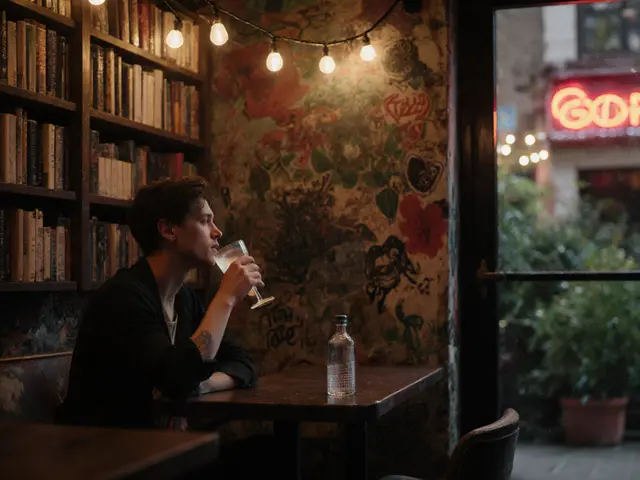
Brera isn’t just a neighborhood-it’s a mood. Cobblestone alleys, vintage bookshops, and centuries-old churches give way to moody wine bars and jazz lounges after dark. Il Salumiere is a wine bar disguised as a deli. Order a glass of Barolo and a slice of aged pecorino, then slide into the back room where a pianist plays Sinatra covers on weekends.
For something louder, Teatro del Buratto turns into a live music venue after 11 p.m. No posters. No website. You find it by the line outside. Local indie bands play here, and the crowd is a mix of artists, designers, and students who’ve been coming for years. Cover is usually €5, and the drinks are cheap. It’s the kind of place you stumble into and end up staying until 3 a.m.
Navigli: Canals, Cocktails, and Chill Vibes
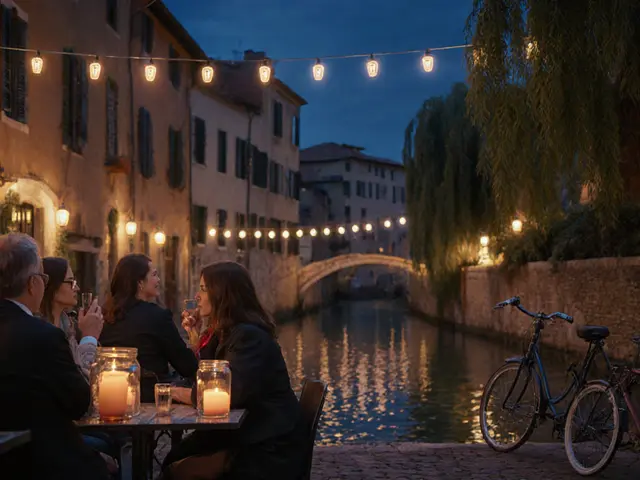
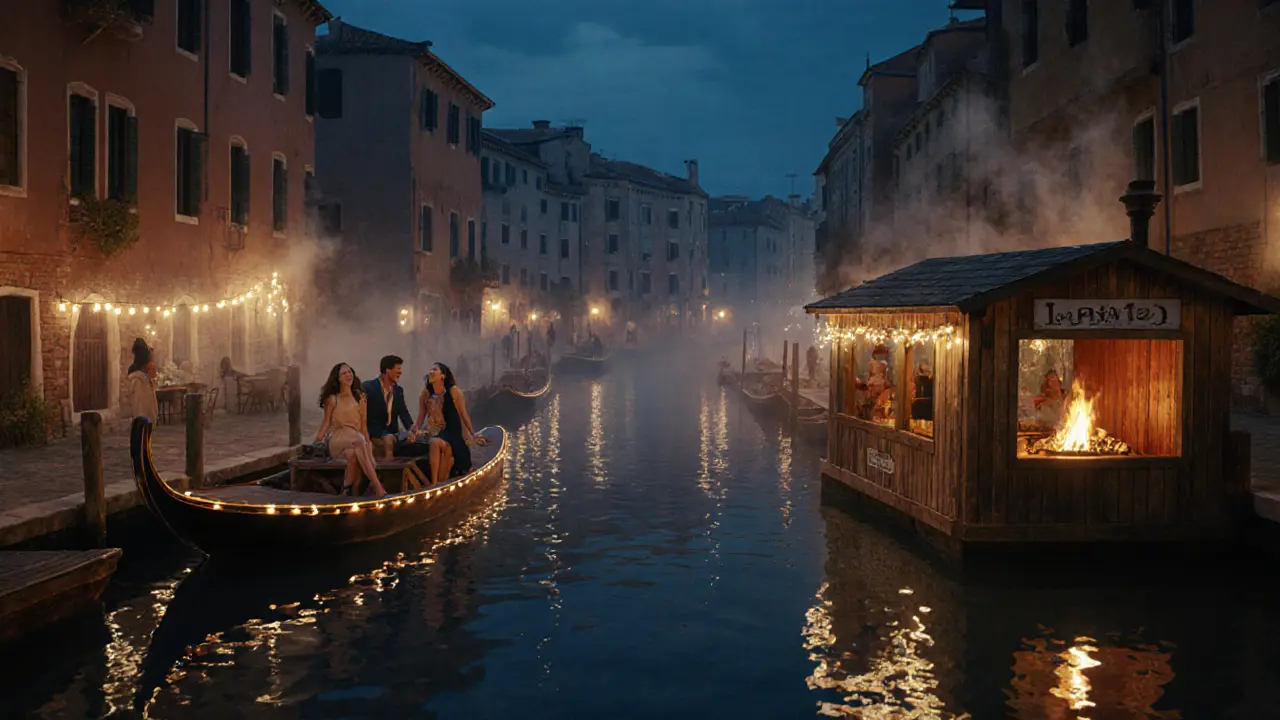
If you want to feel like you’re in a movie, go to Navigli. This canal district comes alive at night with string lights over the water, outdoor seating, and boats turned into floating bars. Bar Basso has a second location here, but the real gem is La Baita. It’s a rustic wooden hut right on the canal with a fireplace and a rotating selection of Italian craft beers. They serve beer flights with local snacks-think truffle honey on polenta or cured duck breast.
On Fridays and Saturdays, the whole stretch from Porta Ticinese to the last bridge turns into a pedestrian-only zone. Music spills out from open doors. You’ll hear everything from techno to folk singers with mandolins. No one is in a rush. People linger. They laugh. They order another round. It’s the most relaxed version of Milan’s nightlife-and the most authentic.
Porta Venezia: Underground Beats and Global Flavors
Porta Venezia is where Milan’s diversity shows up loud and clear. This neighborhood has some of the city’s most daring nightlife. Le Bomboniere is a queer-friendly bar with drag shows on weekends and a cocktail menu inspired by global street food. Try the “Sushi Martini”-a spicy gin drink with yuzu and wasabi foam. It’s not for everyone, but it’s unforgettable.
Down the street, Club 21 plays deep house and techno until 5 a.m. The crowd is mostly locals in their 20s and 30s. No VIP tables. No bouncers checking your shoes. Just a dim room, a great sound system, and a vibe that feels like you’ve found a secret. The door fee is €10, and they don’t serve food. But there’s a 24-hour kebab spot across the street that becomes your after-party HQ.
For the Late-Night Crowd: Clubs That Actually Stay Open
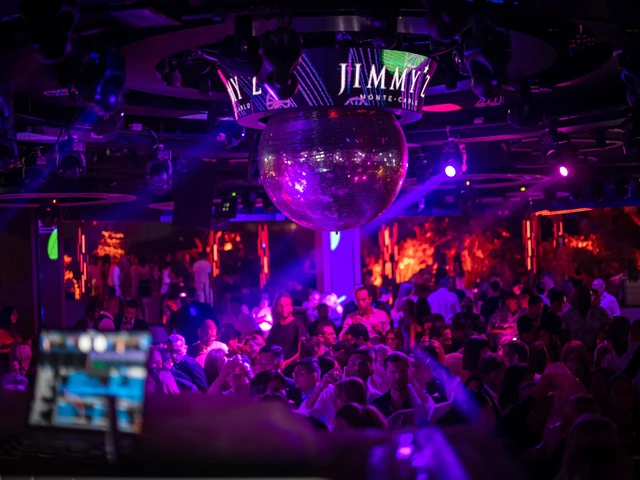
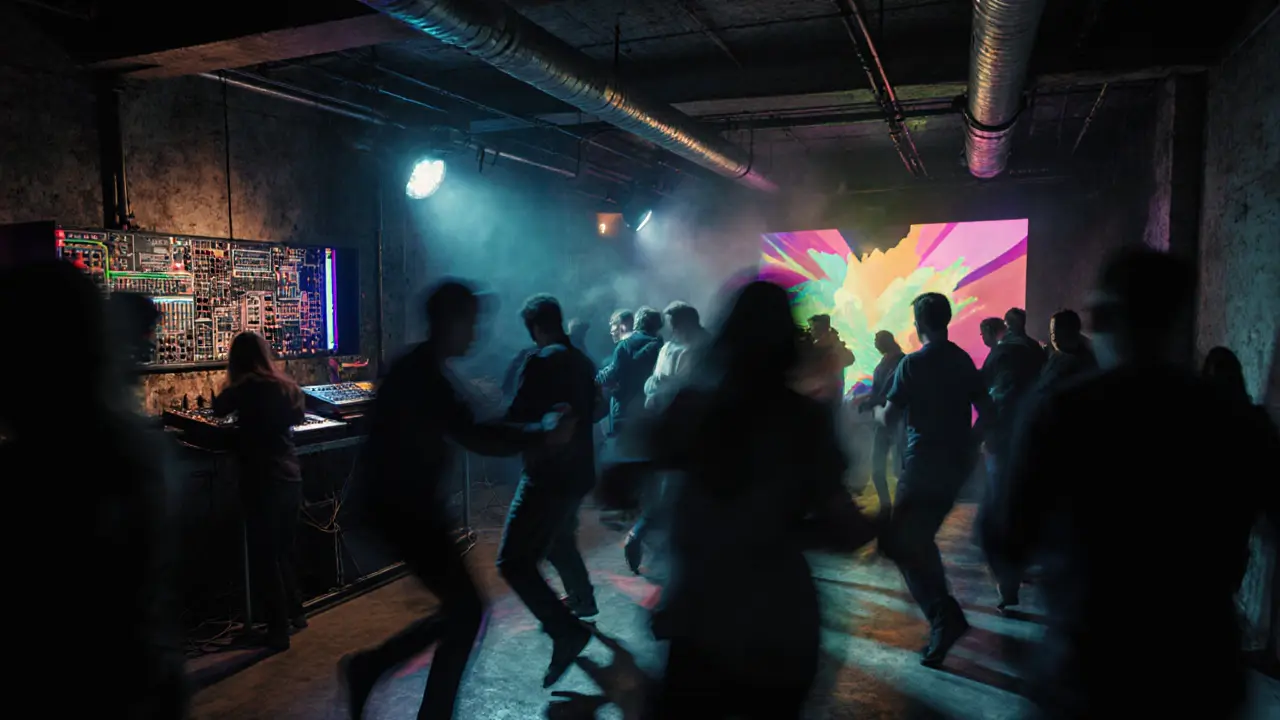
Milan’s club scene isn’t about flashy names. It’s about longevity. Magazzini Generali is a converted warehouse in the Lambrate district. It’s been open since 2008 and still draws international DJs. The space is raw-concrete floors, exposed pipes, no neon signs. They play everything from ambient techno to disco revival. Doors open at midnight. You’ll need to take the metro. It’s worth it.
If you’re looking for something more experimental, Alcatraz hosts underground electronic acts and art installations. It’s not a typical club. It’s a cultural space. You might dance to a live modular synth set one night and attend a spoken word poetry session the next. Tickets are sold online, and they rarely sell out. Show up early if you want a good spot near the speakers.
What to Avoid
There are places that look like nightlife but feel like traps. Stay away from bars near the Duomo that advertise “free entry” with a cover charge at the door. These are usually packed with tourists who don’t know any better. The drinks cost €15 for a soda and a shot of vodka. The music is loud, generic pop. You’ll leave feeling ripped off.
Also, skip the “Milan Night Tour” bus packages. They take you to three places in two hours. You don’t get to experience anything. You just get rushed from one overpriced spot to another. Real nightlife isn’t a checklist. It’s about finding your rhythm in the city.
When to Go
Weekdays (Tuesday-Thursday) are quiet but perfect for cozy bars and early dinners. Friday and Saturday are packed. If you want to avoid crowds, go on a Sunday night. Many clubs still open until 4 a.m., and the crowd is more relaxed. Locals treat Sunday nights like a wind-down ritual-quiet music, low lights, and slow drinks.
Summer (June-August) is when Navigli becomes the city’s living room. Winter (December-February) is when indoor spots like La Soffitta in Brera shine. It’s a speakeasy-style bar hidden behind a bookshelf. You need a password. You get it by texting the bar the day before. They serve old-school cocktails and play vinyl records from the ’70s.
How to Get Around
Milan’s metro runs until 1:30 a.m. on weekdays and 2:30 a.m. on weekends. After that, you’ll need a taxi or Uber. Ride-sharing apps work well, but they get expensive after midnight. Many locals use the Atm app to check bus schedules. Night buses (N lines) run every 30 minutes and cover all major districts. They’re clean, safe, and cheap-€2 per ride.
Walking is fine in Brera and Navigli. The streets are well-lit and busy. Avoid walking alone in areas like Lambrate after 2 a.m. unless you know the neighborhood. Stick to main roads.
What to Wear
Milanese nightlife is stylish, but not stiff. You don’t need a suit. But you also won’t see people in sweatpants. Think clean jeans, a good shirt, and leather shoes or boots. Women often wear dresses or tailored pants with heels or stylish flats. The rule of thumb: look put-together, not overdressed. Locals notice details-like your watch, your bag, how your jacket fits. It’s not about being rich. It’s about being intentional.
Final Tip: Talk to the Bartenders
They know everything. Ask them where they go after their shift. They’ll point you to a basement jazz bar in the suburbs or a hidden rooftop with a view of the cathedral. They’ll tell you which bar has the best negroni on Tuesdays. They’ll warn you about the places to skip. Milan’s nightlife isn’t written in guidebooks. It’s passed down in whispers. Listen.
What time do bars close in Milan?
Most bars close between 2 a.m. and 3 a.m. Clubs usually stay open until 4 a.m. or later, especially on weekends. Some places like Alcatraz and Magazzini Generali have special permits to stay open until 5 a.m. on Fridays and Saturdays.
Is Milan nightlife safe for solo travelers?
Yes, Milan is generally safe for solo travelers at night, especially in popular districts like Brera, Navigli, and Porta Venezia. Stick to well-lit streets, avoid isolated alleys after 2 a.m., and use official taxis or ride-sharing apps. The city has a strong police presence in nightlife zones, and locals are usually helpful if you ask for directions.
Do I need to book tables in advance?
For popular aperitivo spots like Bar Basso or La Periferia, yes-book a table by 6 p.m. for weekends. For clubs like Magazzini Generali or Alcatraz, you don’t need reservations, but buying tickets online saves you time at the door. Smaller bars rarely take bookings, so just show up early if you want a seat.
What’s the average cost of a night out in Milan?
You can have a full night out for €30-€50. That includes aperitivo (€15), a couple of drinks at a bar (€8-€12), and a club entry fee (€10-€15). If you want to splurge on a fancy cocktail or dinner before, add another €20. Skip the tourist traps-they’ll charge you €25 for a single drink.
Are there English-speaking staff in Milan’s nightlife spots?
In tourist-heavy areas like Brera and Navigli, most bartenders and club staff speak basic to fluent English. In underground spots like Le Bomboniere or Alcatraz, staff might speak less English, but they’re friendly and will help you with gestures or translation apps. Learning a few Italian phrases like “Un aperitivo, per favore” goes a long way.