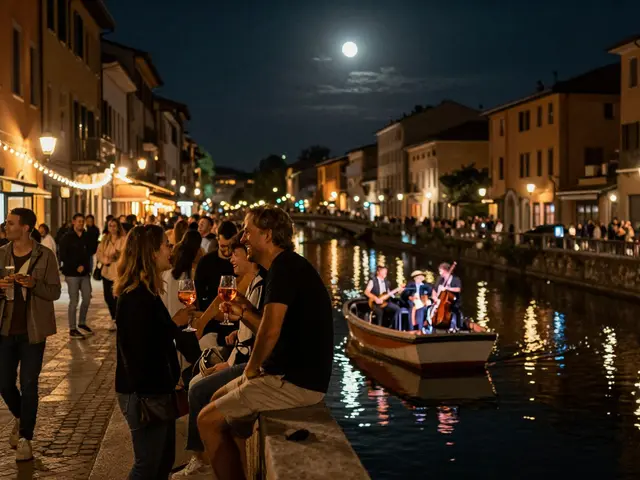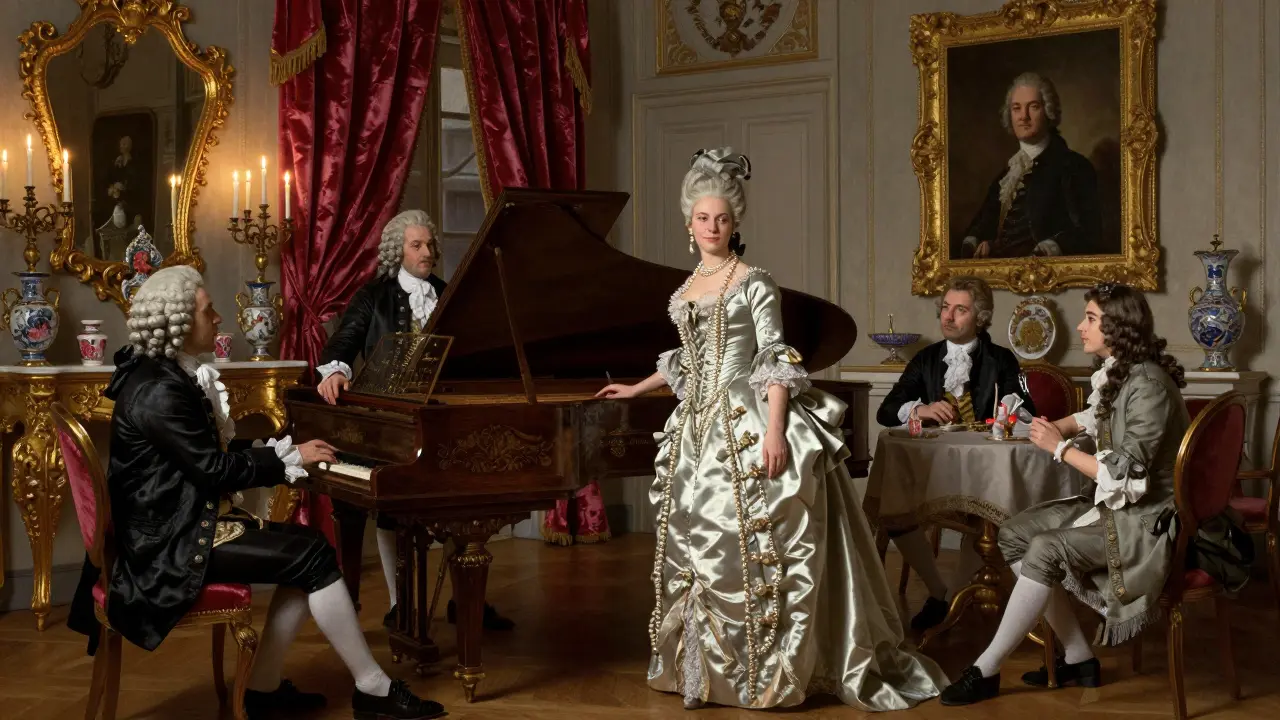
Paris has long been a city of allure, art, and secrets-and nowhere is that more visible than in its long, layered history of escorts. Not just a modern phenomenon, the presence of paid companionship in Paris stretches back over 500 years, shaped by royalty, revolution, war, and shifting social norms. What we see today as discreet services online or in upscale apartments didn’t appear out of nowhere. It evolved from the glittering salons of 18th-century courtesans to the underground networks of the 20th century, and finally into the regulated gray zones of today.
The Courtesans of the Ancien Régime
In the 1700s, Paris was the center of European high society, and among its most powerful figures were the courtesans. These weren’t just sex workers-they were educated, politically connected women who moved in the same circles as nobles, artists, and philosophers. Figures like Madame de Pompadour, mistress of King Louis XV, weren’t just lovers-they shaped policy, commissioned art, and influenced fashion. Her influence was so strong that she helped launch the Rococo style and even had a porcelain factory named after her.
Courtesans lived in luxury. They owned townhouses on the Rue Saint-Honoré, wore diamonds from India, and hosted literary salons where Voltaire and Rousseau debated ideas. Their relationships were often formalized through contracts. In return for financial support, they provided companionship, intellectual stimulation, and access to elite networks. Many were orphans or daughters of minor nobility who had no inheritance rights. Becoming a courtesan was, for some, the only path to independence.
The Rise of the Demimonde
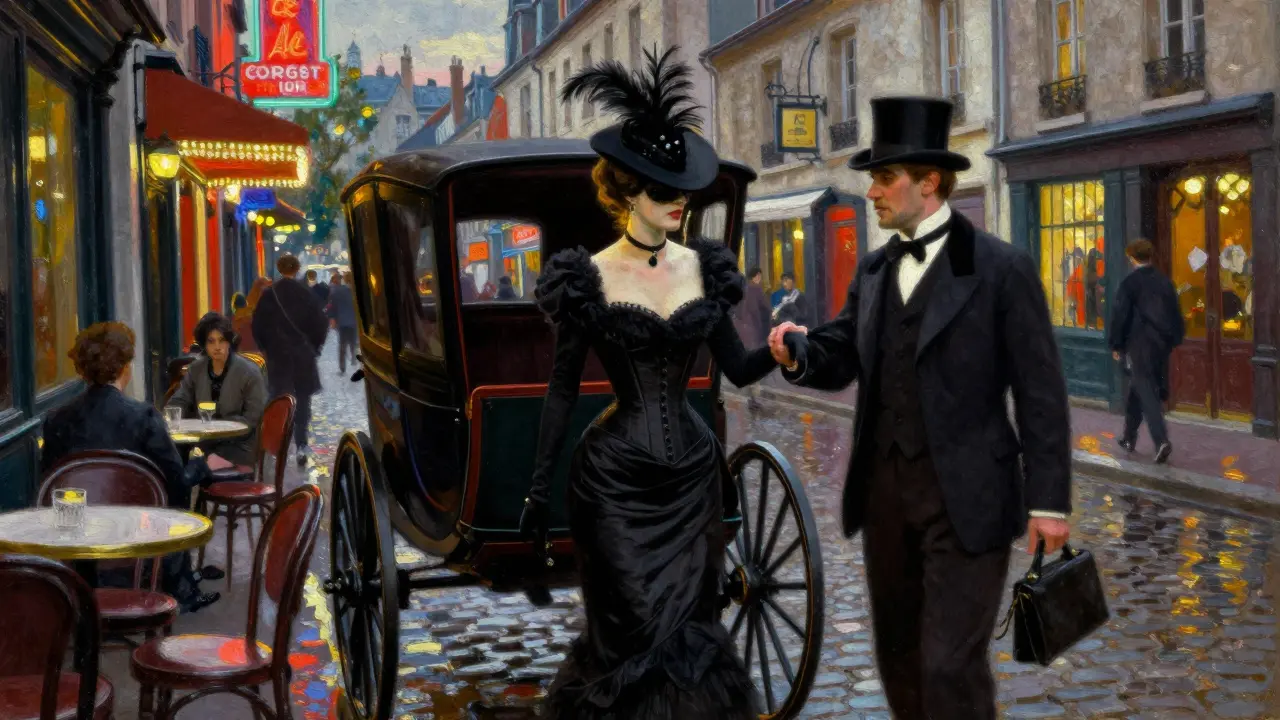
After the French Revolution, the old aristocracy collapsed, but the demand for companionship didn’t vanish. In the 1800s, a new class emerged: the demimonde-women who lived on the edge of respectable society. They weren’t officially married, but they weren’t hidden either. They appeared at theaters, cafés, and balls, often accompanied by wealthy patrons.
Paris became the epicenter of this world. The Boulevard de Clichy in Montmartre was lined with brothels disguised as boarding houses. Women like La Païva and Cora Pearl became celebrities, earning fortunes and hobnobbing with princes. Cora Pearl once hosted a dinner where each guest’s plate was decorated with a live fish. She paid for it by charging her lover, a Russian duke, 10,000 francs-a small fortune at the time.
These women weren’t just selling sex. They sold status, conversation, and an escape from the rigid morality of the middle class. Their lives were documented in novels by Balzac and Zola, who portrayed them with both glamour and tragedy. Zola’s Nana, published in 1880, was so controversial it was banned in several cities-but it captured the reality of how deeply embedded these women were in Parisian culture.
Prostitution Becomes a Public Issue
By the late 1800s, the Catholic Church and reformers began pushing for crackdowns. The government responded not with outright bans, but with regulation. In 1804, Napoleon introduced the réglementation system: all prostitutes had to register with police, undergo weekly medical exams, and carry an official card. Brothels, called maisons de tolérance, were licensed and confined to specific districts like the Rue des Moulins.
These regulations weren’t meant to protect women-they were meant to control disease and keep prostitution out of sight. Women who didn’t register were arrested. Those who did were treated like state employees. They couldn’t marry without police permission. Their children were often taken away. The system lasted over a century.
By the 1940s, nearly 2,000 licensed brothels operated in Paris. But after World War II, public opinion shifted. The French Resistance had exposed how some brothels collaborated with Nazi officers. Feminist groups, led by Simone de Beauvoir, denounced the system as degrading. In 1946, the French government closed every licensed brothel overnight. It was a symbolic end to state-sanctioned prostitution.
The Underground and the Digital Shift
After 1946, escorting didn’t disappear-it went underground. Women worked from apartments, hotels, or private homes, often using word-of-mouth networks. The 1980s and 1990s saw the rise of phone lines and classified ads in magazines like Paris Match. Clients would call a number, get a list of names and photos, and make appointments.
The real transformation came with the internet. By the early 2000s, websites like Paris-escorts.com and Leboncoin became the new marketplaces. Profiles included photos, rates, languages spoken, and availability. Payment shifted from cash to bank transfers. Clients could now search by location, ethnicity, or specialty. The industry became more fragmented but also more visible.
Unlike the courtesans of old, today’s escorts rarely have patrons. Most work independently, set their own hours, and manage their own branding. Many are students, artists, or expats who see escorting as flexible work-not a life sentence. Some even run blogs or Instagram accounts, sharing their experiences without shame.

Legality Today: A Legal Gray Zone
In France, selling sex isn’t illegal-but buying it is. Since 2016, the Loi sur l’achat de sexe (Law on the Purchase of Sex) made it a crime to pay for sexual services. Clients can be fined up to €1,500. Escorts themselves are not arrested, but they face constant pressure. Police raid apartments, shut down websites, and seize bank accounts under suspicion of facilitating prostitution.
As a result, many escorts now operate through private networks. They use encrypted apps like Signal or Telegram. They avoid public listings. Some work with agencies that claim to offer “companion services”-dinner dates, travel companions, or event partners-never explicitly mentioning sex. The line is thin, but it’s enough to stay one step ahead of the law.
Paris remains one of the most popular destinations for clients from across Europe. The city’s reputation for romance, its cafés, its quiet streets, and its discretion make it ideal. A 2023 survey by a Paris-based research group found that over 60% of clients came from Germany, the UK, and Switzerland. Most were professionals between 35 and 55. They weren’t looking for cheap thrills-they wanted connection, elegance, and privacy.
Why This History Matters
The story of escorts in Paris isn’t just about sex. It’s about power, survival, and the ways women have carved out space in a world that rarely gave them choices. From the glittering salons of the 1700s to the encrypted messages of today, these women have always adapted. They’ve turned societal rejection into economic agency. They’ve used beauty, intelligence, and charm to survive when other doors were locked.
Today’s escorts aren’t the same as the courtesans of Versailles. But they share something deeper: the ability to turn intimacy into autonomy. In a city that still celebrates art, freedom, and seduction, the legacy of Parisian companionship lives on-not in brothels, but in quiet apartments, in late-night texts, and in the unspoken understanding between two people who know what they’re offering-and what they’re receiving.
Were courtesans in Paris considered prostitutes?
No, not in the way we think of prostitutes today. Courtesans were highly educated, socially connected women who formed long-term relationships with wealthy patrons. They provided companionship, intellectual conversation, and emotional support-not just sex. Their status was closer to that of a high-end consultant or cultural ambassador. Many lived in luxury, owned property, and influenced politics. They were part of elite society, not marginalized outsiders.
When did brothels close in Paris?
All licensed brothels in Paris were shut down in 1946 under the French government’s Loi Marthe Richard. The law was passed after public outrage over collaboration during WWII and growing feminist pressure. Over 2,000 brothels were closed overnight, ending a system that had existed since Napoleon’s time. Since then, prostitution has been legal for the seller but illegal for the buyer.
Is it legal to hire an escort in Paris today?
It’s illegal to pay for sexual services in France, including in Paris. Since 2016, clients can be fined up to €1,500. Escorts themselves are not prosecuted, but they face constant harassment from police, website shutdowns, and bank account freezes. Many now operate through private networks, using encrypted apps and discreet meeting spots to avoid detection. The law targets demand, not supply.
How do modern escorts in Paris find clients?
Most use private, encrypted platforms like Telegram or Signal. Some maintain discreet websites with no payment details visible. Others rely on word-of-mouth referrals from past clients or connections in the hospitality industry-hotels, restaurants, or private clubs. Public listings on sites like Leboncoin are risky and often removed quickly. Many avoid social media entirely, or use fake profiles to avoid tracing.
Why is Paris still popular for escorts despite the laws?
Paris offers a unique mix of romance, discretion, and cultural appeal. Clients from across Europe come for the atmosphere-dinner at a quiet bistro, a walk along the Seine, a private apartment in the 7th arrondissement. The city’s reputation for elegance makes the experience feel more like companionship than transaction. Many clients value the emotional connection as much as the physical. The risk is high, but so is the perceived reward.