Milan doesn’t sleep. While Rome might linger over wine and Florence chats under lanterns, Milan turns up the volume after dark. It’s not just about drinking-it’s about being seen, heard, and moving. The city’s nightlife isn’t one scene. It’s five different worlds, each with its own rhythm, crowd, and vibe. If you think Milan is all about fashion shows and quiet espresso bars, you haven’t been out after midnight.
Start in Navigli: Canals, Cocktails, and City Lights
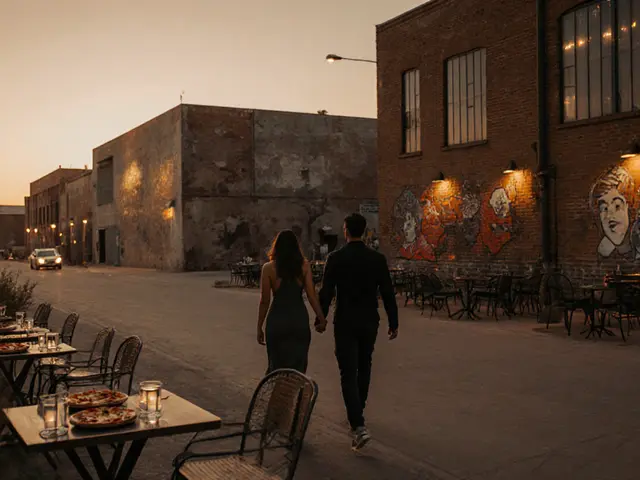
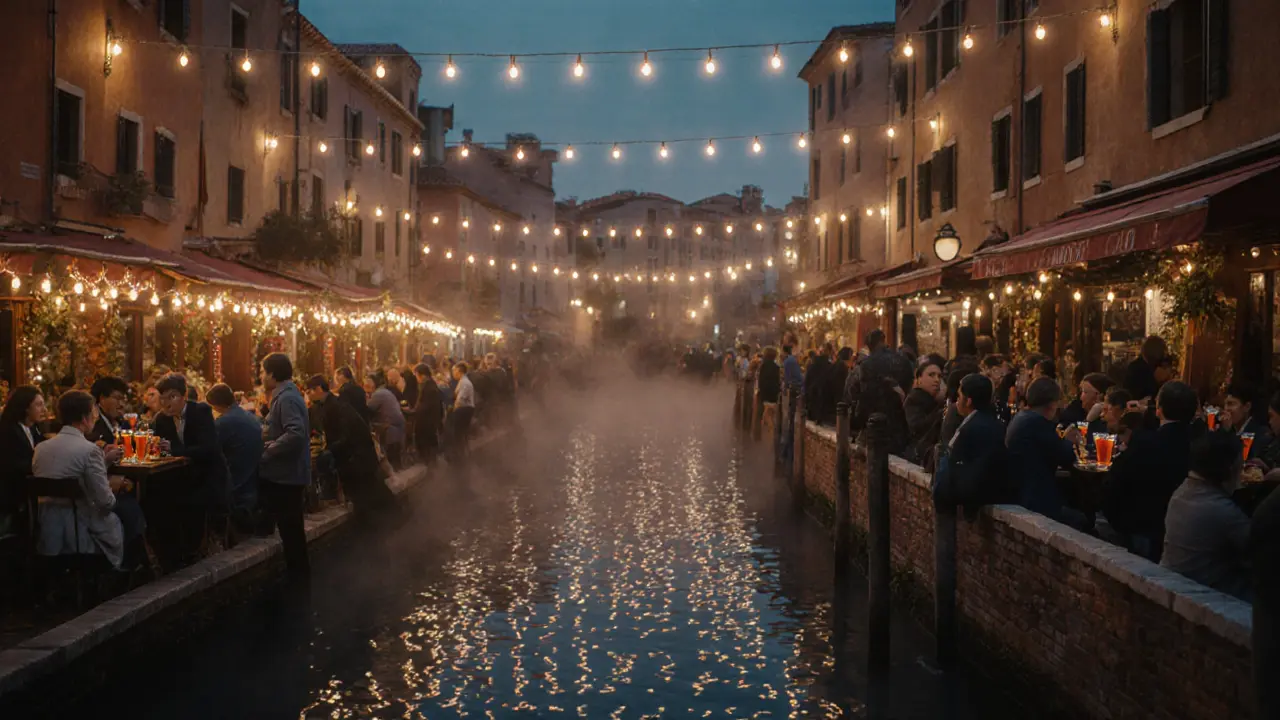
Head to the Navigli district, where the canals glow under string lights and the air smells like grilled sardines and gin. This is where Milanese locals unwind after work. The canalside bars aren’t clubs-they’re social hubs. Try Bar Basso, where the Aperol Spritz was invented. Order one with a plate of crostini and watch the crowd shift from professionals in blazers to students in vintage jackets as the night goes on.
Don’t miss La Bitta on the Darsena canal. It’s tiny, loud, and always packed. They serve craft beers from Lombard microbreweries and play indie rock that doesn’t drown out conversation. People come here to talk, not just dance. If you want to feel like you’ve slipped into a secret Milan, this is it.
Brera: Where Art Meets Aperitivo
Brera is the city’s intellectual heart by day and its chicest hangout by night. The aperitivo culture here is sacred. Between 7 and 9 p.m., bars like Bar Basso and Il Baretto offer free snacks with your drink-think mini sandwiches, truffle arancini, and smoked mozzarella. It’s not a gimmick; it’s tradition. You pay for the drink, and the food comes with it. No one rushes you. You sit, sip, and people-watch as artists, writers, and designers drift in from nearby galleries.
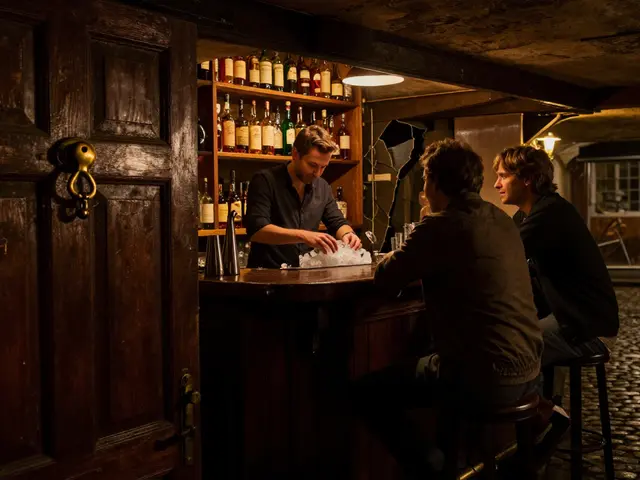
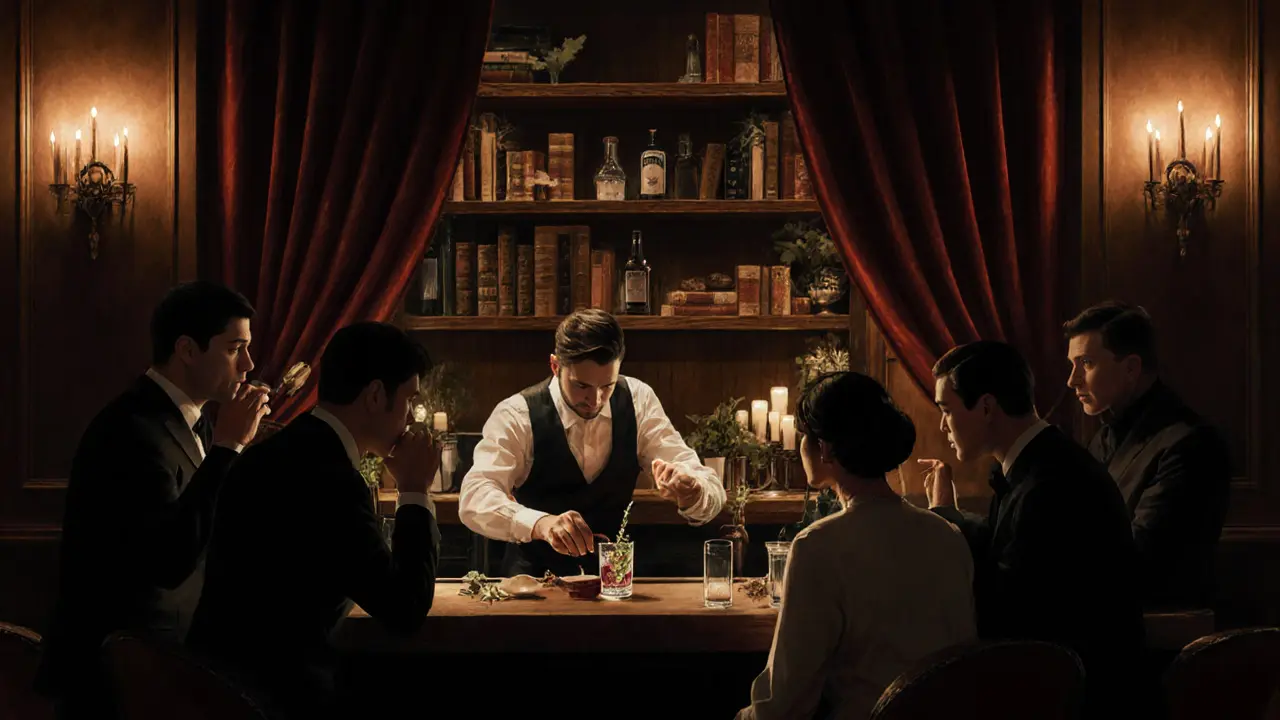
After aperitivo, the crowd thins out. But the real magic happens later. Walk a few blocks to Alchimia, a speakeasy hidden behind a bookshelf. You need a reservation. They serve cocktails made with house-infused spirits and herbs from the Alps. One sip of their Black Truffle Negroni and you’ll understand why this place has a cult following.
Porta Romana and the Underground Club Scene
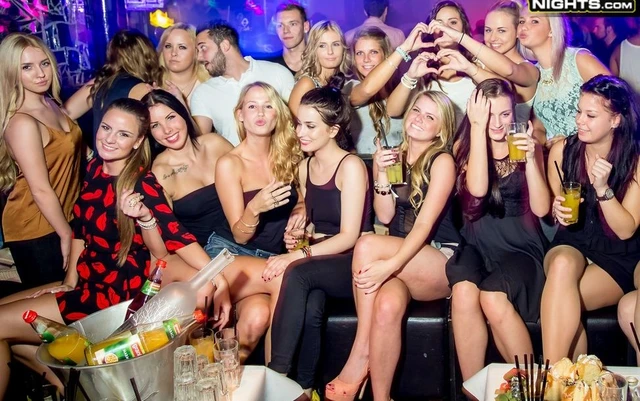
If you’re looking for real nightlife-late nights, bass-heavy music, and crowds that don’t care what you wear-head to Porta Romana. This is where Milan’s underground scene thrives. La Scala Club isn’t a name you’ll find on tourist maps. It’s tucked into an old warehouse, with no sign outside. You’ll know you’re in the right place when you hear the thump of techno echoing down the street. The crowd? Mostly locals in black, some tourists who heard about it from a friend. The DJ plays from 1 a.m. to 6 a.m. No VIP section. No dress code. Just music and movement.
Try Officine Umane next door. It’s a multi-space venue with live jazz on Tuesdays, experimental electronic sets on Fridays, and rooftop parties in summer. They don’t advertise much. You find out about events through Instagram stories or word of mouth. That’s the point.
Corso Como: Style, Status, and the Elite
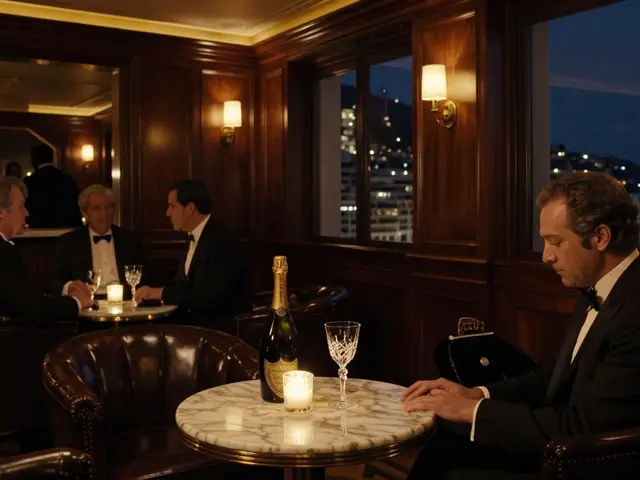
Corso Como is Milan’s answer to Ibiza’s beach clubs-but with more tailored suits and fewer flip-flops. Corso Como 10 is a hybrid: boutique hotel, design store, and nightclub. The bar opens at 7 p.m. for cocktails. The club doesn’t start until 11 p.m. and only lets in people who look like they belong. You won’t get in if you’re wearing sneakers. No exceptions.
This isn’t for everyone. But if you want to see Milan’s elite-models, architects, fashion editors-this is where they go. The music is polished house and deep techno. The lighting is soft, the drinks are expensive, and the energy is quiet but intense. You won’t hear screaming. You’ll hear the clink of glasses and the murmur of conversations in five languages.
Zone 2: The New Wild West of Milan Nights
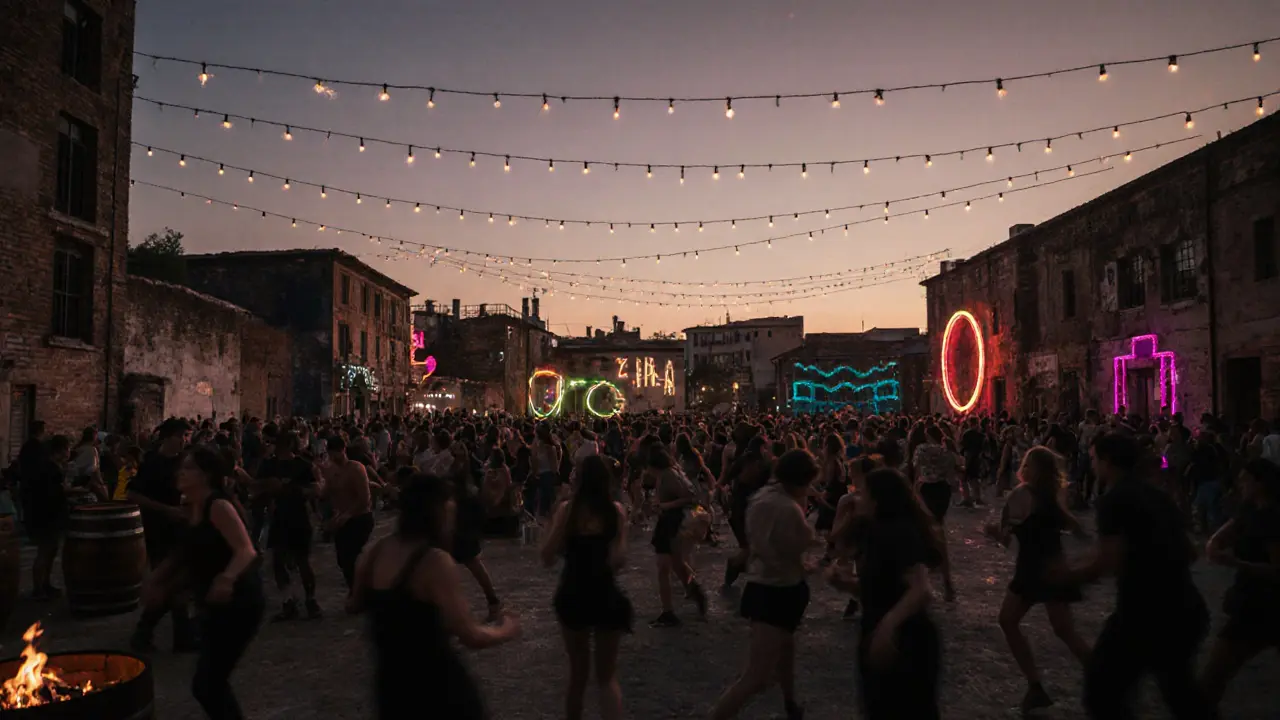
Just outside the city center, in the former industrial zone near Lambrate, a new wave of nightlife is exploding. Ex Dogana is the poster child. It’s a massive former customs warehouse turned into a cultural hub. On weekends, it hosts open-air raves, vinyl-only DJ sets, and art installations. Entry is €10. You can drink local wine from barrels. The crowd is young, diverse, and unbothered by trends.
Down the street, Bar San Vittore serves cheap beer and has a backyard with hammocks and fire pits. It’s the kind of place where you’ll meet someone from Berlin, Tokyo, or Buenos Aires, and end up talking until sunrise. This isn’t Milan’s old nightlife. It’s its future.
What to Know Before You Go
Milan’s nightlife doesn’t run on tourist hours. Bars open around 7 p.m. for aperitivo. Clubs don’t fill up until after midnight. Most don’t even get busy until 1 a.m. If you show up at 9 p.m., you’ll be one of the first. That’s fine-just know you’re not late. You’re early.
Don’t expect American-style cover charges. Most places charge for drinks only. Some clubs, especially in Porta Romana or Zone 2, ask for €5-€10 at the door. That’s it. No bouncers checking your ID with a flashlight. They’ll glance at your passport or EU ID and let you in.
Transportation after midnight? The metro runs until 1:30 a.m. on weekends. After that, you’ll need a taxi or Uber. Ride-sharing apps work well here. Don’t rely on buses-they’re slow and scarce.
And please, don’t wear flip-flops to a club. Not even in summer. Milanese people dress for the night. It’s not about being fancy. It’s about showing you respect the space.
When to Go
Summer (June-August) is peak season. The city feels alive. Outdoor terraces overflow. But if you want to avoid crowds and get better service, go in May or September. The weather’s still great, the prices are lower, and the locals are more relaxed.
Winter nights in Milan are colder but no less lively. Clubs stay open. Bars keep the heat on. And the atmosphere? More intimate. You’ll hear better music. The crowds are smaller. And if you find a good spot, you might even get a seat.
What Not to Do
Don’t ask for a “Shot of tequila.” No one here drinks tequila. If you want a quick drink, ask for an americano or a spritz. Don’t order a mojito unless you want to be gently mocked.
Don’t take photos of strangers without asking. Milanese people are stylish, but they’re not here to be Instagram content.
Don’t assume all clubs are the same. Navigli is for drinks and chatter. Porta Romana is for dancing until dawn. Corso Como is for seeing and being seen. Pick your scene. Don’t try to do it all.
Final Tip: Talk to the Bartenders
The best night in Milan doesn’t come from a blog or a guidebook. It comes from asking the person behind the bar: “Where should I go next?”
They’ll know who’s playing tonight. They’ll know which club just opened a new rooftop. They’ll know where the real locals go after the tourists leave. Trust them. They’ve been doing this longer than you’ve been planning your trip.
Is Milan nightlife safe at night?
Yes, Milan’s nightlife areas are generally safe, especially in well-known districts like Navigli, Brera, and Porta Romana. Stick to busy streets, avoid isolated alleys after 3 a.m., and keep an eye on your drink. Pickpockets exist, like in any major city, but violent crime is rare. Use trusted ride apps if you’re heading home late.
Do I need to book ahead for Milan clubs?
For popular spots like Corso Como 10 or Alchimia, yes. Most underground clubs like La Scala Club or Ex Dogana don’t require reservations-just show up. If you’re going on a Friday or Saturday night, arriving before midnight helps you avoid long lines. Weeknights are almost always open-door.
What’s the average cost for a night out in Milan?
Aperitivo at a bar in Navigli or Brera costs €10-€15 and includes food. A cocktail at a trendy spot runs €14-€18. Club entry is usually €5-€10, with drinks at €8-€12. If you’re hopping between venues, budget €40-€70 for a full night. Luxury spots like Corso Como 10 can easily push you to €100+.
Are there any dress codes in Milan clubs?
Yes, but they vary. Corso Como 10 and other upscale venues expect smart casual-no sneakers, shorts, or tank tops. In Porta Romana or Zone 2, you can wear jeans and a hoodie. The rule of thumb: if you look like you’re going to a gallery opening, you’re dressed right. If you look like you’re going to the gym, you might get turned away.
What time do Milan clubs close?
Most clubs close between 3 a.m. and 5 a.m. Some, like Ex Dogana or Officine Umane, stay open until 6 a.m. on weekends. The metro stops running at 1:30 a.m., so plan your ride home. Taxis and Uber are available, but surge pricing kicks in after midnight.