Milan doesn’t sleep when the sun goes down. While most tourists leave after dinner, the real city wakes up-loud, slick, and full of energy. This isn’t just about drinking. It’s about finding the right corner where music hits just right, where the crowd feels like locals, and where the night stretches long enough to forget your flight’s departure time tomorrow.
Start in Navigli: Where the Canals Come Alive
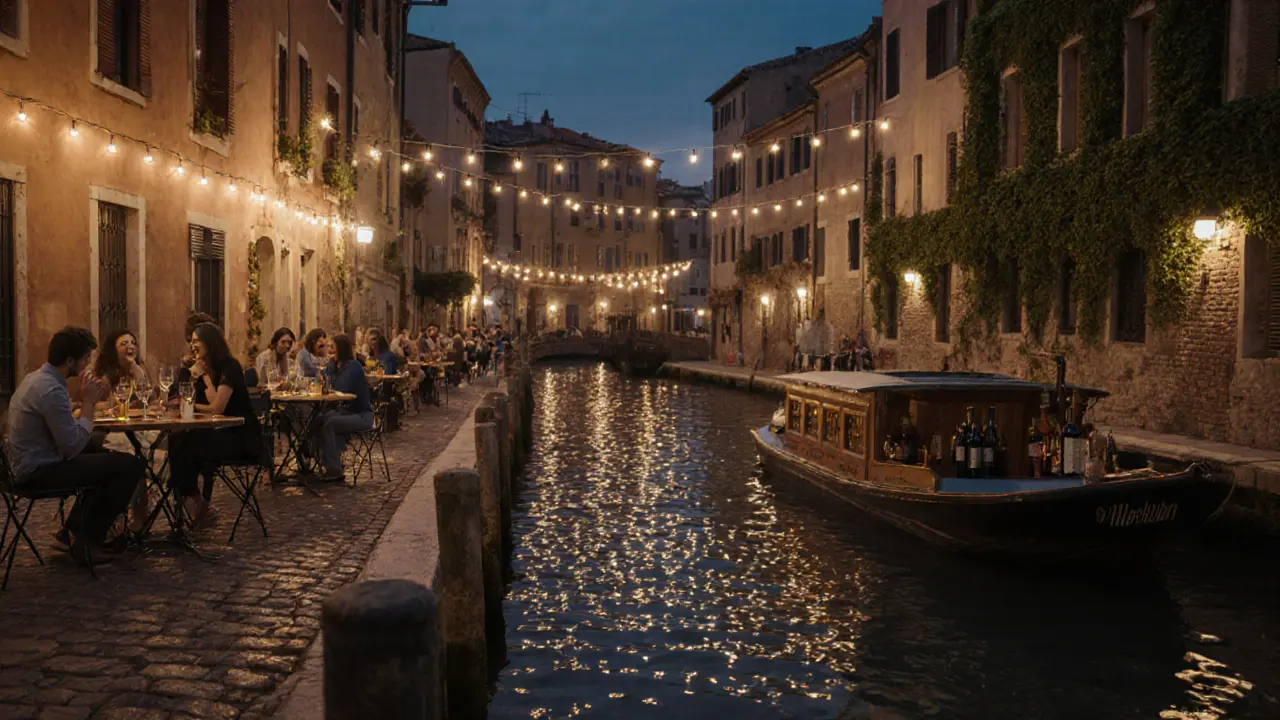
Head south to Navigli, the old canal district that turned from forgotten waterways into Milan’s most relaxed nightlife zone. By 8 p.m., the cobblestone paths are lined with outdoor tables, wine glasses clinking, and people laughing under string lights. This isn’t a club scene-it’s a neighborhood party. Try La Baita for craft beer on tap and local cheeses, or Bar del Fico for Aperol spritzes served with crispy fritters. The vibe is casual, no dress code, and the music? Think indie Italian rock, not EDM.
Walk along the canal after 11 p.m. and you’ll see why locals call this the heart of Milan after dark. Boat bars like Barca Bar float gently on the water, playing chill house tunes. You can hop from one to the next, sipping as you go. No one rushes you. No bouncers. Just warm nights and the sound of water lapping against wooden docks.
Brera: Sophistication with a Side of Jazz
Brera feels like stepping into a 1960s Italian film. Narrow streets, art galleries shuttered for the night, and dimly lit wine bars tucked between historic buildings. This is where Milan’s creatives unwind. Skip the tourist traps near Piazza Brera and head to Bar Basso-yes, the one that invented the Negroni Sbagliato. It’s small, always packed, and the bartender knows your name by the third round.
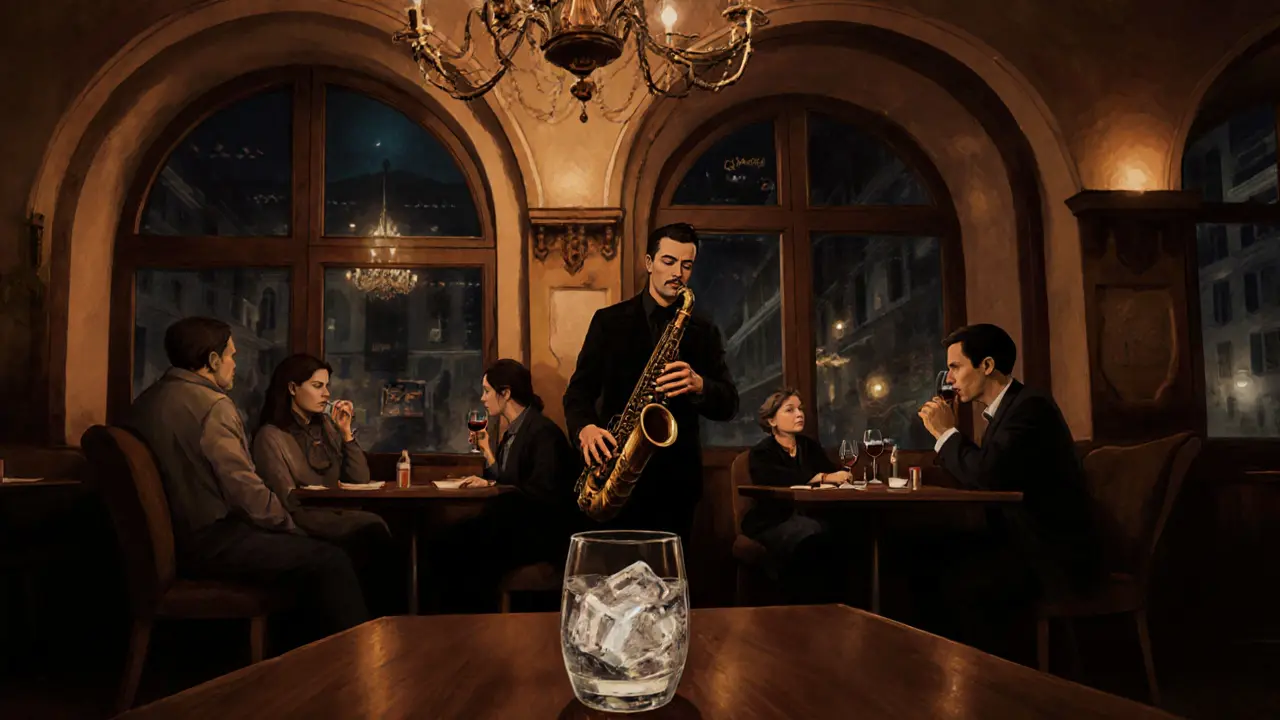
For live music, Blue Note Milano is the spot. Not a big club, but the kind of place where you sit at a table, order a glass of Barolo, and let a jazz trio take over the room. No shouting over music here. Just the smooth hum of saxophone and the clink of ice in glasses. It’s the kind of night that makes you forget you’re in a city known for fashion, not jazz.
Downtown: Clubs That Actually Stay Open
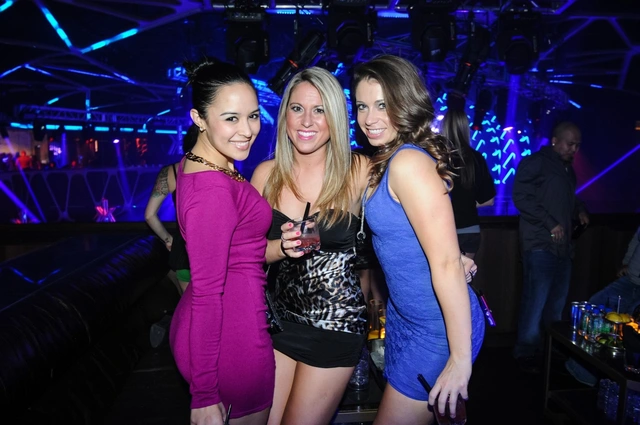
If you’re looking for bass-heavy beats and bodies moving until dawn, head to the Porta Venezia and Lambrate neighborhoods. This is where Milan’s underground scene thrives. La Scala Club isn’t the opera house-it’s a warehouse-turned-club that books international DJs you’ve only heard on SoundCloud. Doors open at midnight, but the real energy hits after 2 a.m. No velvet ropes. No VIP lists. Just a long line of people who know the music is worth the wait.
For something more experimental, try Teatro del Sale. It’s not a typical club. It’s a performance space with live electronic sets, projections on the walls, and crowds that dance like no one’s watching. The crowd here is young, international, and uninterested in flashy logos. They’re here for the sound, the vibe, the unexpected.
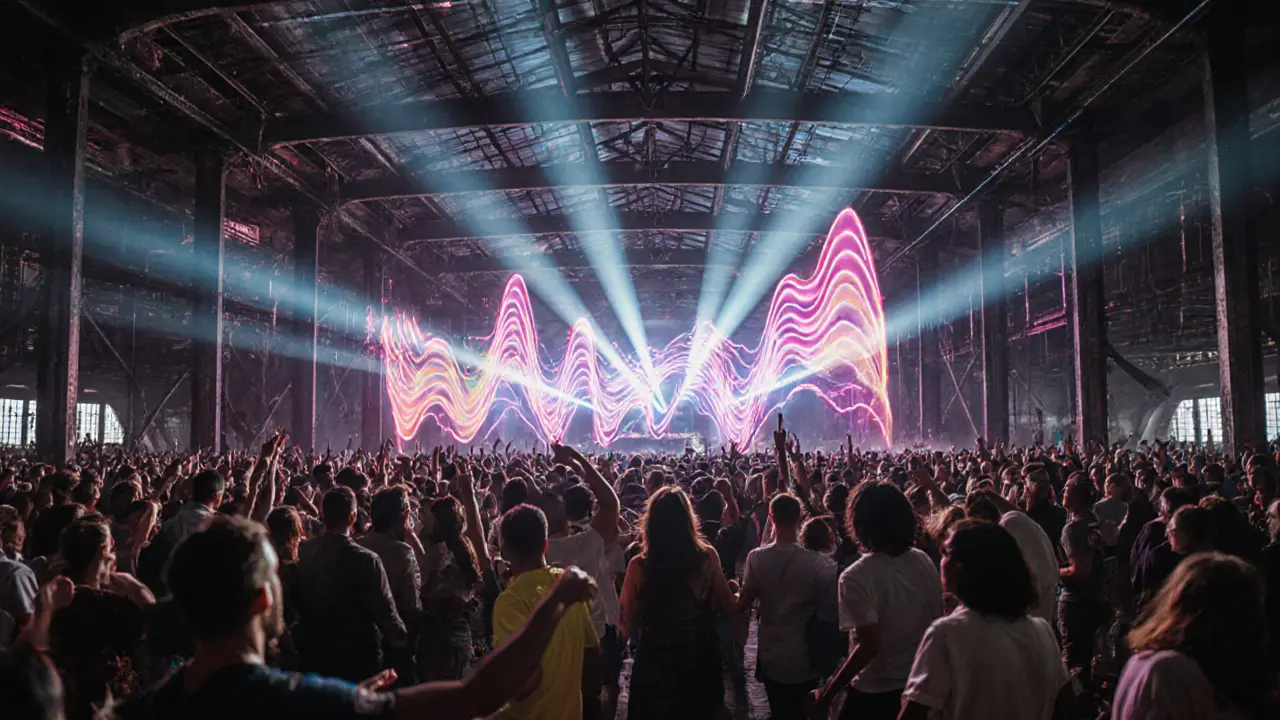
And if you want to dance until sunrise without paying a cover charge? Officine Grandi Riparazioni (OGR) is your answer. Once a train repair shop, now a cultural hub that hosts club nights on weekends. The space is massive, the sound system is next-level, and the lineup changes weekly-sometimes techno, sometimes disco, sometimes live bands. You’ll find students, designers, and expats all moving together under the same industrial lights.
The Hidden Gems: Where Locals Go
Most guidebooks miss these places. That’s because locals don’t post them on Instagram.
Down a narrow alley behind the Central Station, Bar Pasticceria Cova turns into a secret wine bar after 10 p.m. No sign. Just a small wooden door. Inside, it’s all wooden shelves, bottles of natural wine from Piedmont, and a bartender who pours without asking what you like. He just knows. You pay €8 for a glass and stay for three.
Then there’s Il Gatto Nero in the Porta Romana area. A tiny bar with no menu, just a chalkboard with the night’s cocktails. One night it’s mezcal and smoked salt. Another, gin with rosemary and pear. The owner, Marco, used to be a sommelier in Florence. He moved to Milan for the nights-and he never left.
What to Wear (And What Not To)
Milan is fashion-forward, but that doesn’t mean you need a runway look. In Navigli and Brera, smart casual works: dark jeans, a nice shirt, clean sneakers. In the clubs downtown, you’ll see more leather jackets, tailored coats, and heels. But no one will turn you away for wearing a hoodie-if you look confident.
What won’t work? Flip-flops, baseball caps, or anything that looks like you just rolled out of your hotel. Milanese people notice details. They don’t judge you for being a tourist. But they’ll notice if you’re trying too hard-or not at all.
When to Go: Timing Is Everything
Don’t show up at 9 p.m. expecting a packed club. Milan’s nightlife runs on Italian time. Bars start filling around 10:30 p.m. Clubs don’t heat up until after midnight. The real party? That’s 2 a.m. to 5 a.m.
Weekends are busy, but weekdays in Navigli are surprisingly lively. Tuesday nights at Bar del Fico have live acoustic sets. Wednesday at OGR is usually indie rock. Friday and Saturday? Expect lines. Plan ahead. Use apps like Time Out Milan or Eventbrite to check what’s happening-most events are posted 2-3 days in advance.
How to Get Around
Walking is the best way to explore Navigli and Brera. For downtown clubs, take the metro. Line M2 (green) goes to Porta Venezia. Line M5 (lilac) connects to Lambrate and OGR. Taxis are expensive and hard to find after 2 a.m. Uber works, but local apps like FreeNow or It Taxi are faster and cheaper.
And if you’re staying out past 3 a.m.? The night buses (N1-N7) run every 30 minutes. They’re not glamorous, but they get you home without spending €40 on a ride.
What You Won’t Find
No neon-lit strip clubs. No karaoke bars. No American-style sports pubs with flat-screen TVs blaring football. Milan doesn’t do clichés. It does atmosphere. It does music. It does conversation.
If you’re looking for a place to dance with strangers, meet someone interesting, or just lose yourself in a beat until morning-Milan delivers. But if you want a party that feels like Las Vegas? Keep looking.
Is Milan nightlife safe at night?
Yes, Milan’s main nightlife areas-Navigli, Brera, Porta Venezia, and Lambrate-are generally safe after dark. Stick to well-lit streets, avoid isolated alleys, and keep your belongings close. Like any big city, petty theft can happen, but violent incidents are rare. Most clubs and bars have security, and locals are quick to help if you look lost.
Do I need to book tables in advance?
For popular spots like Bar Basso or Blue Note Milano, yes-especially on weekends. Book a table via their website or call ahead. For most bars in Navigli or casual clubs, walk-ins are fine. But if you want a good seat at a jazz club or a spot near the dance floor at OGR, arriving before midnight helps.
What’s the average cost for a night out in Milan?
A drink at a bar in Navigli costs €8-€12. At a club, cover charges range from €10 to €25, depending on the event. Drinks inside are €12-€18. A full night out-two drinks, cover charge, and a late snack-will set you back about €40-€60. It’s not cheap, but it’s not New York prices either.
Are there any age restrictions?
The legal drinking age in Italy is 18. Most clubs enforce this strictly-you’ll need ID. Some venues, especially those hosting live music or late-night events, are 18+. A few exclusive clubs may require 21+, but that’s rare. Always carry your passport or EU ID card.
What’s the best time of year for Milan nightlife?
Late spring through early fall (May to September) is ideal. Outdoor bars in Navigli are in full swing, and festivals like Milan Design Week or Summer in the City bring extra energy. Winter nights are quieter, but indoor spots like Blue Note and OGR stay open year-round. If you’re after the full experience, aim for June or July.