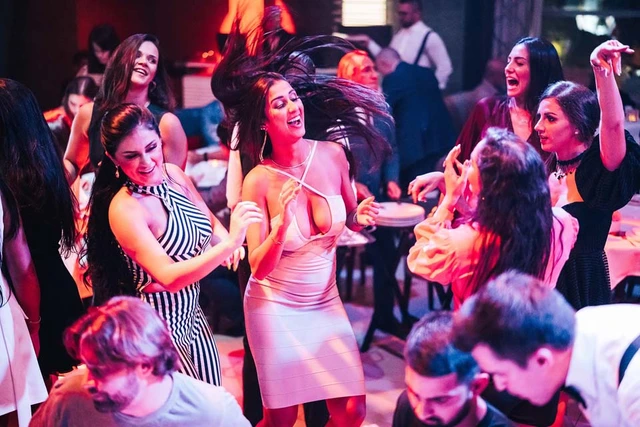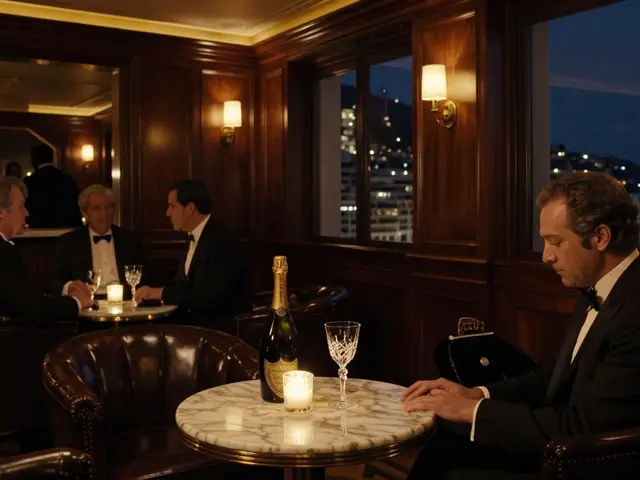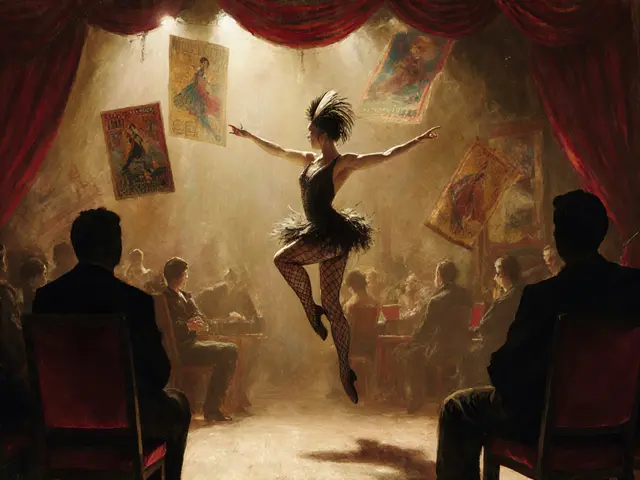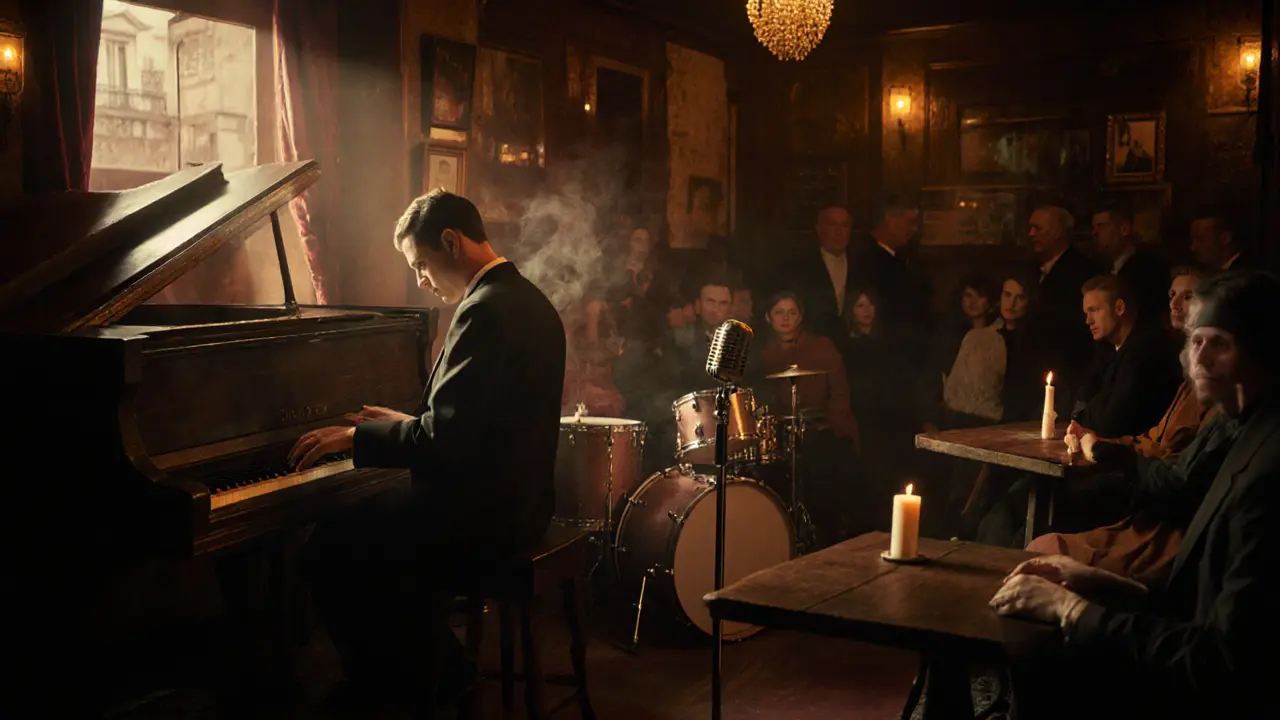
Paris doesn’t sleep-it swings, pulses, and hums after dark.
Forget the clichés of candlelit cafés and quiet boulevards. By 10 p.m., Paris transforms. In Montmartre, saxophones wail through dimly lit basements. In Belleville, bass thumps from hidden warehouses. In Saint-Germain-des-Prés, vinyl crackles under vintage lamps. This isn’t just a city with nightlife-it’s a living archive of sound, where jazz birthed rebellion, electro reshaped the future, and everything in between finds a stage.
Where jazz still breathes like it did in the 1950s
Paris didn’t just welcome jazz-it adopted it. After World War II, American soldiers brought swing and bebop, and locals made it their own. Today, jazz isn’t a relic. It’s alive in the same clubs where Miles Davis once played.
La Cigale in Pigalle still hosts Sunday jam sessions where young French trumpeters trade licks with visiting New Orleans legends. At Le Caveau de la Huchette a cellar jazz club in the Latin Quarter that’s been running since 1947, serving wine and swing with no modern distractions, you’ll find no screens, no playlists-just a 70-year-old upright piano, a drummer who’s played with Nina Simone’s band, and a crowd that sways like they’re part of the rhythm.
Don’t miss New Morning a modern jazz temple in the 10th arrondissement where artists like Esperanza Spalding and Christian Scott have recorded live albums. The sound system here is engineered for clarity, not volume. You hear every breath between notes. Tickets start at €18, and the best seats? The ones near the back wall-where the acoustics turn every solo into a whisper you feel in your chest.
Electro pulses where the Seine meets the underground
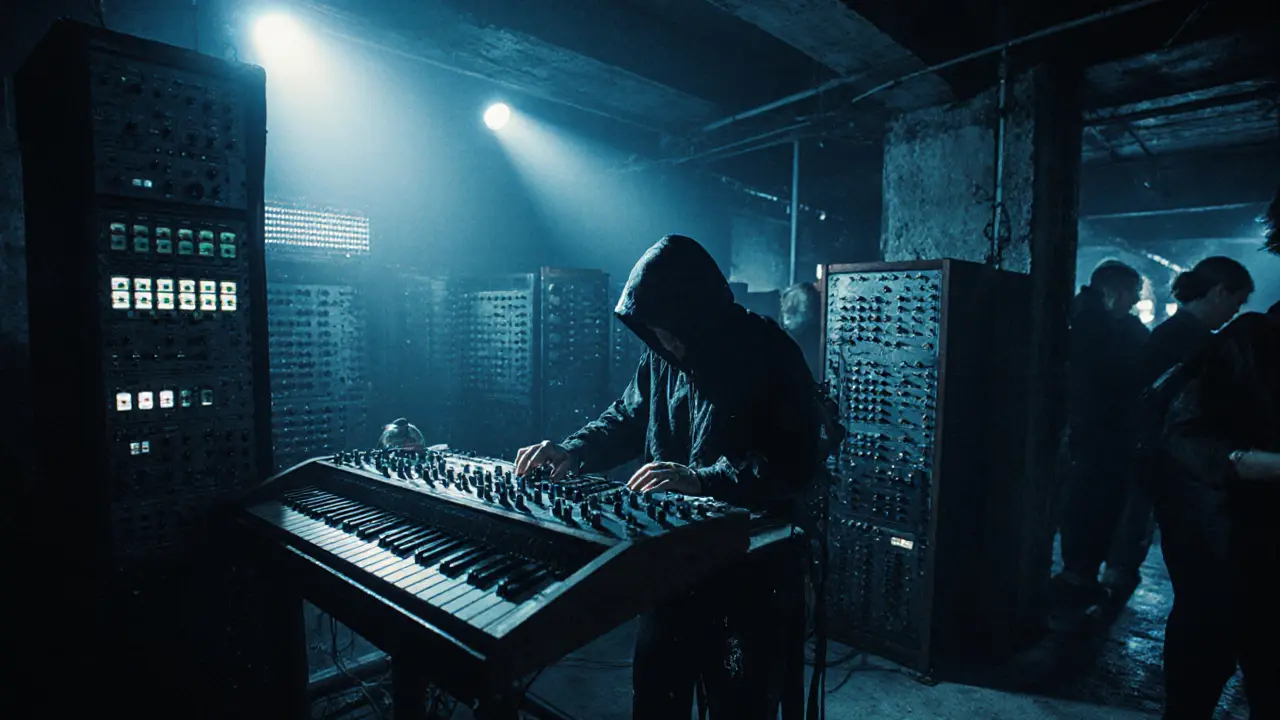
While jazz whispers, electro screams. Paris’s electro scene exploded in the 2010s, not in flashy clubs, but in abandoned factories and subway tunnels. Today, it’s institutionalized-but still raw.
Concrete a converted 19th-century water pumping station in the 13th arrondissement that hosts weekly techno and electro sets from Berlin to Tokyo is the heartbeat. The space has no VIP section. No bottle service. Just concrete floors, industrial lights, and a sound system built by a team of ex-engineers who refuse to use digital mixers. DJs here play 4-hour sets with no drops-just slow, hypnotic builds that last until sunrise.
For something smaller, head to La Station a converted train depot in the 19th where local producers test new tracks on Friday nights. The crowd is mostly under 30, dressed in black, and silent until the beat hits. That’s when they move-not to dance, but to feel. This isn’t a party. It’s a ritual.
The middle ground: Where jazz meets electro, and no one calls it fusion
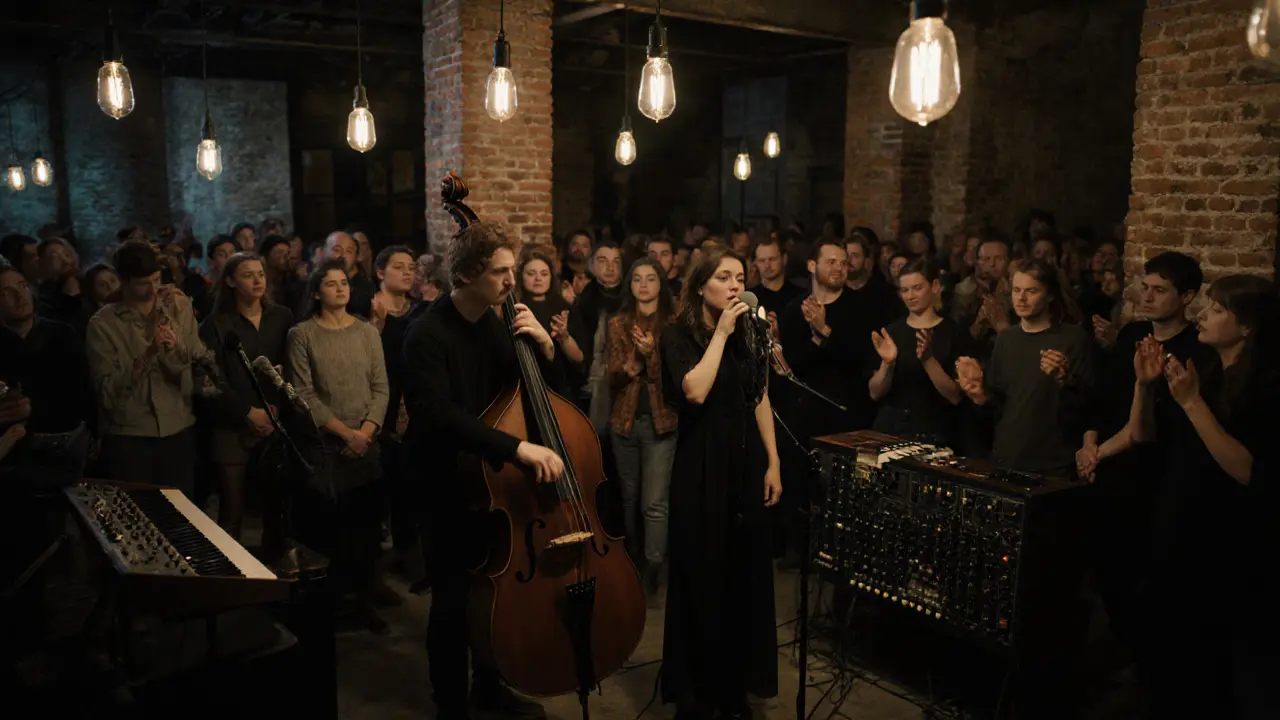
Paris doesn’t divide genres-it blends them. You’ll find jazz musicians using modular synths. You’ll hear electro DJs sampling 1960s French chanson vocals. The city doesn’t label it. It just plays it.
Le Trabendo a converted railway station in the 20th arrondissement that books experimental acts from midnight to dawn is where this happens. Last month, a trio called Les Échos du Métro opened with a 20-minute piece: a double bass looping under a broken analog synth, while a vocalist whispered poetry in Parisian slang. No one clapped. They just stood there, stunned. That’s the norm here.
At Le Baron a members-only club in the 8th that started as a jazz bar in 1998 and now books everything from acid jazz to glitch hop, the dress code is “no suits.” The music changes every night. One week, it’s a French vibraphonist with a pedalboard. The next, it’s a DJ from Lyon who samples street musicians from Montparnasse. The crowd? Lawyers, students, retired taxi drivers-all in the same room, all nodding to the same rhythm.
Where to drink when the music stops
Paris nightlife doesn’t end when the last note fades. It just shifts. After a 3 a.m. set at Concrete, you don’t want a club. You want quiet. You want warmth.
Le Comptoir Général a hidden bar in the 10th that feels like a colonial attic filled with books, plants, and mismatched armchairs opens at 11 p.m. and serves rum cocktails made with spices imported from Réunion Island. The bartender remembers your name. The playlist? A mix of Fela Kuti and early Daft Punk.
Or head to Bar à Vins a tiny wine bar in the Marais where the owner pours natural wines from small French vineyards and plays vinyl records from 1972. No menu. Just ask: “What’s interesting tonight?” He’ll hand you a glass of orange wine from the Loire and say, “This one smells like rain on cobblestones.”
What to know before you go
- Do not expect English everywhere. Many clubs don’t have websites. Find events on Paris Night or Le Pop Up apps. They’re in French, but the event names and times are clear.
- Cash still rules. Most small jazz clubs and underground venues don’t take cards. Keep €20-€50 in your pocket.
- Arrive early. Popular spots like Le Caveau or La Station fill up by 10:30 p.m. Doors open at 9 or 10. Be there.
- Dress like you mean it. Parisians don’t wear hoodies to jazz clubs. Jeans, a good shirt, boots. No sneakers unless they’re vintage.
- Don’t tip. Service is included. A smile and a “Merci” is enough.
When to go
Paris nightlife has seasons. Jazz thrives from September to May-summer is slow. Electro peaks in spring and fall, when the weather cools and warehouses reopen. June and August? The city empties. Only the locals stay.
If you want the full experience, plan for October or November. The nights are crisp, the crowds are serious, and the music feels heavier-like it’s carrying the weight of the year.
What’s next?
Paris doesn’t stop at jazz and electro. There’s Afrobeat in the 18th, ambient sets in the 11th, and underground hip-hop in the 19th. But start here. Master these two sounds, and you’ll hear the city’s soul.
Go to Le Caveau. Stay until 2 a.m. Then walk to Concrete. Don’t check your phone. Just listen.
Is Paris nightlife safe at night?
Yes, but like any major city, stay aware. Stick to well-lit streets and avoid isolated alleys after 2 a.m. Most music venues are in safe, popular neighborhoods like Montmartre, Le Marais, and Belleville. Avoid the outskirts of the 19th and 20th arrondissements late at night unless you’re heading to a known venue.
Do I need to book tickets in advance?
For big names like New Morning or La Cigale, yes-especially on weekends. For smaller venues like La Station or Le Trabendo, you can usually walk in. But if you’re traveling from out of town, booking ahead saves time and guarantees entry. Use the official club websites or Paris Night app.
What’s the average cost for a night out in Paris?
You can have a full night for €30-€60. Entry to a jazz club is €15-€25, a drink is €8-€12, and a late-night snack like a crêpe or kebab costs €6-€10. Clubs like Concrete are €10-€15 at the door. Skip the tourist traps in Saint-Germain-prices there double for the same drink.
Can I go alone to these venues?
Absolutely. Parisian music lovers often come alone. You’ll see people reading, sipping wine, or just listening with their eyes closed. No one will bother you. In fact, solo visitors are often the most respected-they’re there for the music, not the scene.
Are there any free jazz or electro events in Paris?
Yes. Every Thursday, Le Petit Bain a floating bar on the Seine near the Bir-Hakeim bridge hosts free live sets from 7 to 10 p.m. in summer. In winter, La Bellevilloise a cultural center in the 20th arrondissement offers free experimental music nights on the first Friday of each month. Check their calendars-these events fill fast.
Final tip: Listen more than you talk
Paris nightlife isn’t about Instagram backdrops or club hopping. It’s about the silence between notes. The way a saxophone bends a note just before the crowd leans in. The way a synth fades out and leaves you wondering if it was ever there.
Go with open ears. Leave with a new rhythm in your step.