When the sun sets over the Bosphorus, Istanbul doesn’t sleep-it transforms. One minute you’re walking past centuries-old mosques with minarets silhouetted against the twilight, and the next you’re stepping into a dimly lit tekke, where the sound of the ney flute drifts through the air and glasses of rakı clink beside bowls of meze. This city doesn’t just have nightlife. It has layers.
The Soul of the Tekke: Where History Still Sings
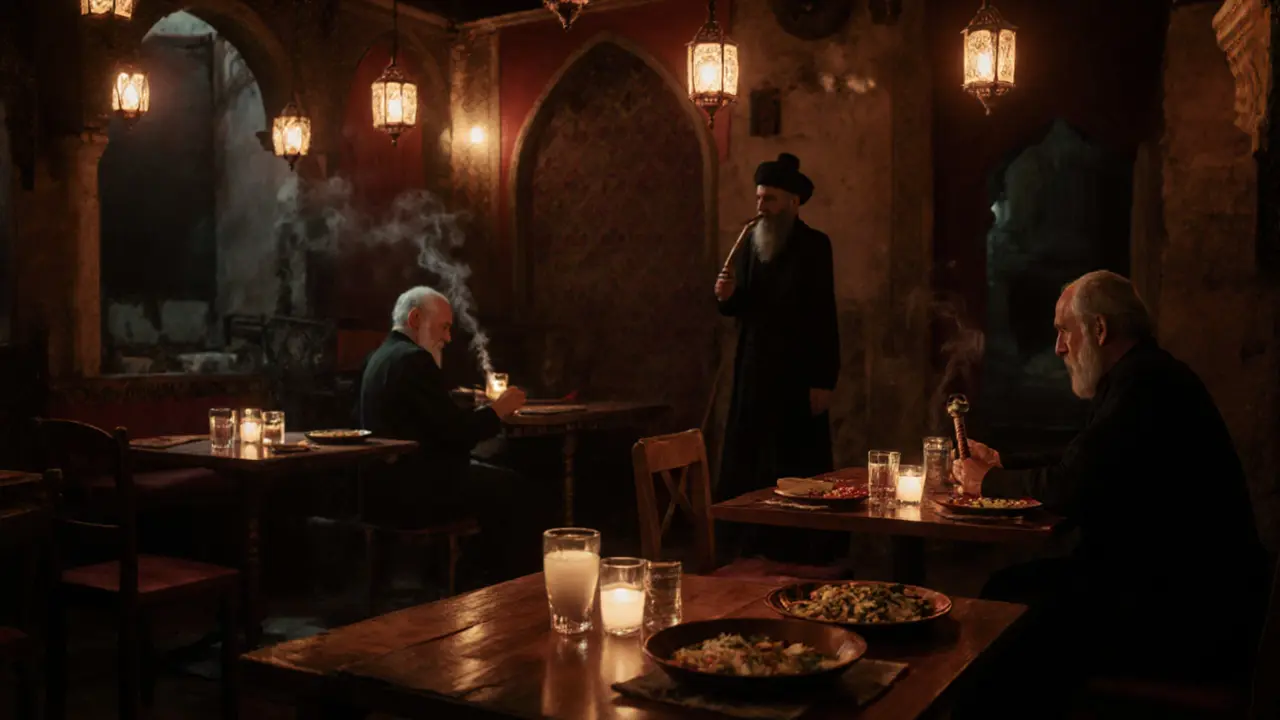
Long before clubs with neon lights and DJs dropped bass, Istanbul’s nights belonged to the tekke. These aren’t just bars. They’re cultural spaces, often tucked into narrow alleys of Beyoğlu or Fatih, where music, drink, and conversation blend into something deeper. The air smells of tobacco, grilled lamb, and orange blossom water. Older men play backgammon under flickering lanterns, while younger crowds lean in to hear the raw, haunting voice of a dervish singer.Places like Hasanpaşa Lokantası or Çiya Sofrası in Kadıköy still serve traditional meze platters with fresh fish, eggplant salads, and stuffed grape leaves. You don’t order a cocktail here-you sip rakı, diluted with water until it turns milky white. The ritual matters. The silence between songs matters more.
These spots aren’t tourist traps. They’re where locals go after work, after dinner, after the kids are asleep. No cover charge. No dress code. Just a wooden stool, a plate of cheese, and the quiet hum of a city that remembers how to listen.
Beyoğlu’s Electric Pulse: Bars, Brews, and Basement Beats
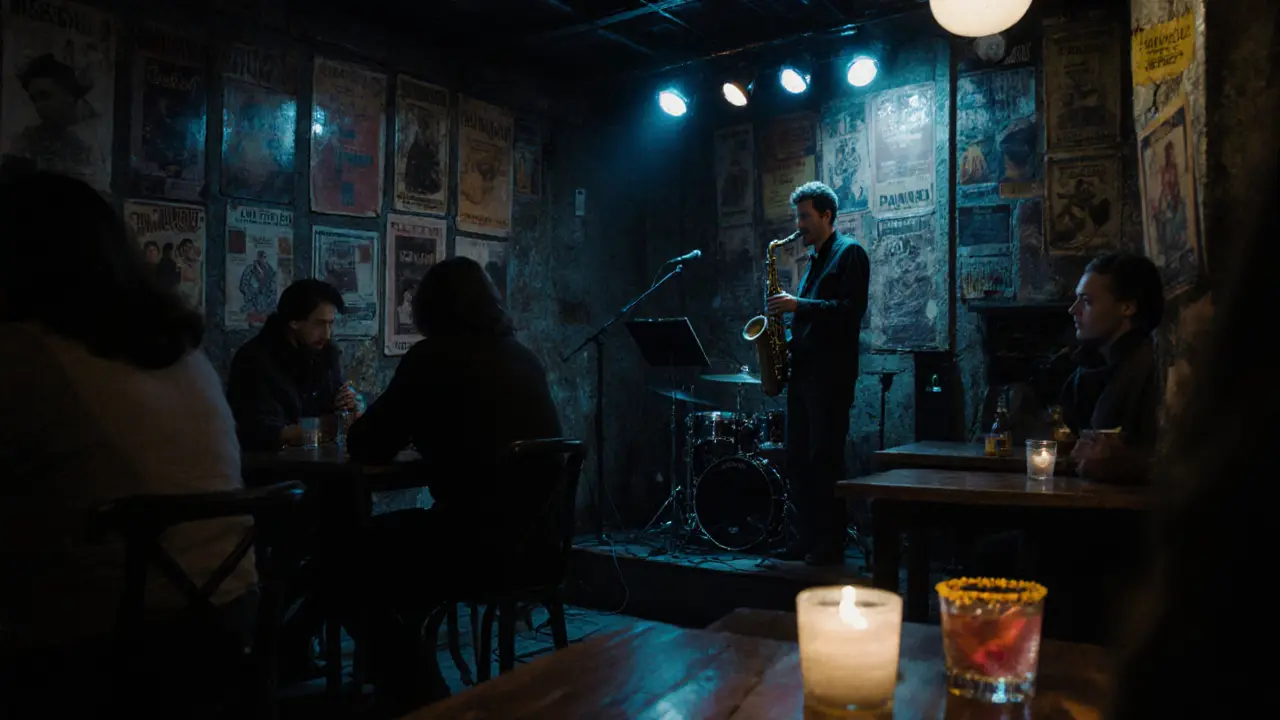
Walk up İstiklal Avenue after 10 p.m., and you’ll feel the city’s heartbeat quicken. Once a quiet European-style boulevard lined with 19th-century buildings, it’s now a maze of live music venues, craft beer pubs, and rooftop lounges. The real magic happens when you turn off the main drag.Down in the basement of a crumbling Art Deco building in Cihangir, you’ll find Bar 1919. It opened in 2017 with no sign, no website, and a single rule: no phones on the table. The owner, a former jazz drummer, books local musicians every night-saxophonists who play standards with a Turkish twist, poets who recite in Ottoman dialect, and DJs who spin vinyl from Istanbul’s 1970s psychedelic rock scene.
Just around the corner, Asmali Mescit serves craft cocktails made with rosewater, pomegranate molasses, and black tea syrup. Their “Bosphorus Sour”-gin, lemon, honey, and a dash of saffron-costs 120 TL and comes with a story about how the recipe was passed down from a 90-year-old grandmother in Üsküdar.
There’s no single vibe here. One night you might hear a Kurdish folk band. The next, a techno set from a producer who samples calls to prayer. The only constant? The crowd. Students, artists, expats, grandmothers who come for the live tar music, and tourists who stumbled in by accident-all sharing the same space, no judgment.
Karaköy and Galata: Where the Future Is Already Here
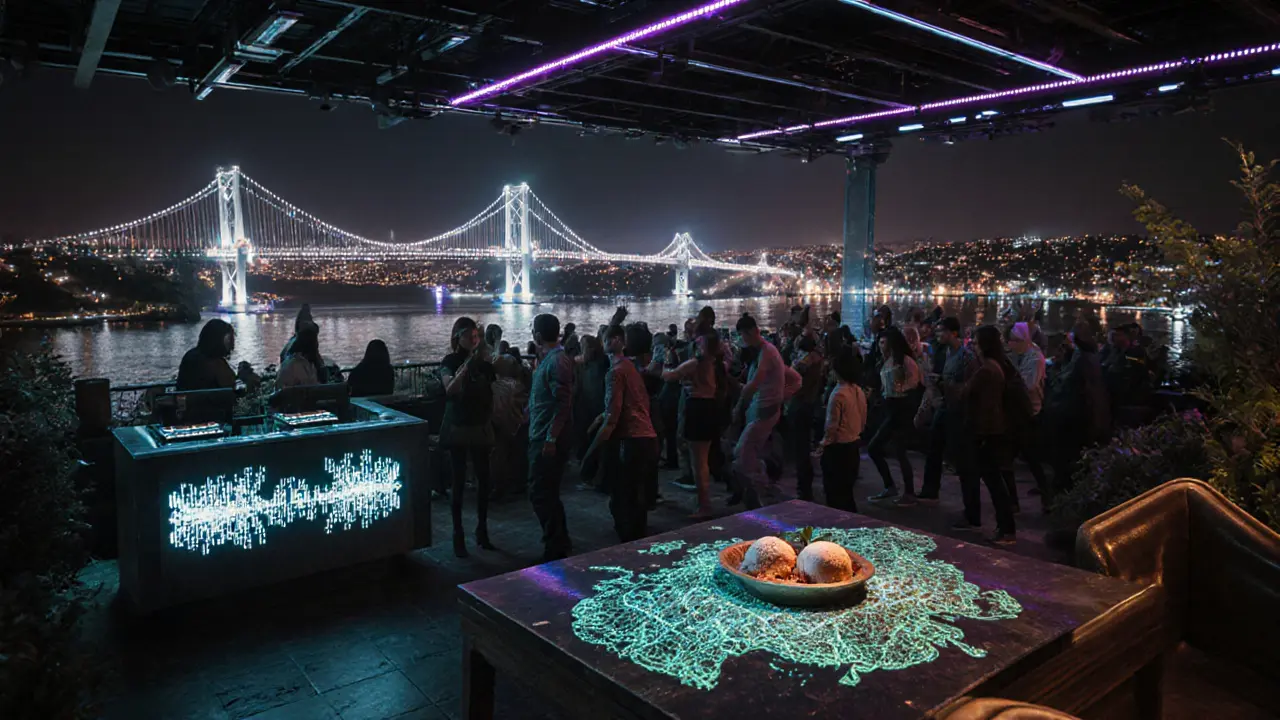
Head west toward the water, and the energy shifts. Karaköy, once a port district for merchants and sailors, is now Istanbul’s most experimental nightlife zone. The warehouses have been turned into clubs. The old banks now house cocktail lounges with floor-to-ceiling windows overlooking the Golden Horn.Reina-the legendary riverside venue-still draws crowds on weekends. But it’s no longer just about seeing celebrities. It’s about the sound. The club’s new DJ booth, installed in 2024, uses AI-assisted sound engineering to adapt the music to the crowd’s energy in real time. The system tracks movement, laughter, even heart rates from wearable devices (opt-in only) to adjust tempo and bass levels. It’s not sci-fi. It’s Tuesday night in Karaköy.
Meanwhile, Club 39 in Galata Tower’s shadow throws underground parties where the only rule is no electronic dance music. Instead, you’ll hear live percussion from Anatolian drummers, experimental jazz trios, and ambient sets built from field recordings of the Spice Bazaar or the ferry horns on the Bosphorus. The walls are lined with old Ottoman maps. The bar serves raki-infused ice cream.
This isn’t just nightlife. It’s a conversation between past and present. You can sip a cocktail made with 200-year-old grape varieties from the Black Sea coast while listening to a beat that samples the call of a street vendor from 1983.
The Hidden Gems: Where Locals Go When Tourists Leave
Most visitors stick to the well-known spots. But the real secrets are tucked away-on rooftops above the Grand Bazaar, in converted Ottoman bathhouses, or inside private homes that only open once a month.Çıkmaz (meaning “dead end”) is one such place. It’s a secret rooftop bar on the 12th floor of a building in Beşiktaş. You need a password, sent only to people who’ve been referred by someone who’s been there. The view? Full panorama of the Bosphorus Bridge lit up like a string of pearls. The drink? A single glass of homemade cherry brandy, served with a dried fig and a handwritten note from the host.
In Üsküdar, Yeni Çarşı Bar opened in 2023 in a former fishmonger’s stall. It’s tiny-barely 12 seats. The owner, a retired fisherman, plays old Turkish pop songs from the 1960s on a turntable he rebuilt himself. He doesn’t take cards. You pay in cash, and if you bring a book, he’ll swap it for one from his collection of 19th-century Ottoman poetry.
These places don’t advertise. They don’t need to. Word travels fast in Istanbul. And if you’re lucky enough to find one, you’ll realize: the city’s soul isn’t in the clubs with the longest lines. It’s in the quiet corners where time slows down.
What to Expect: A Night Out in Istanbul, Decoded
Istanbul’s nightlife doesn’t follow Western schedules. Dinner starts at 9 p.m. Bars fill up after midnight. Clubs don’t hit their stride until 2 a.m. And if you leave before 4 a.m., you missed the best part.Here’s what actually happens:
- 10 p.m.-1 a.m. Dinner and drinks at a meze bar. Expect long waits. Don’t rush. The food is slow-cooked, the conversation slower.
- 1 a.m.-3 a.m. Move to a live music spot. Jazz, bağlama, or experimental electronica. No one checks IDs here unless you look under 25.
- 3 a.m.-6 a.m. The real night begins. Underground clubs, rooftop sessions, or even a spontaneous street performance near the Galata Tower. This is when the city feels most alive.
- 6 a.m. Head to a çay bahçesi (tea garden) for strong black tea and simit. You’ll see the same people who were dancing at 3 a.m., now sipping tea with their grandkids.
Public transport stops around 2 a.m., but taxis are everywhere-and cheap. Uber and BiTaksi work fine. Walking home? Stick to well-lit streets. Beyoğlu and Karaköy are safe, but avoid the back alleys near Taksim after 4 a.m.
What Not to Do
Don’t walk into a traditional tekke expecting a shot of tequila. Don’t ask for vodka in a place that serves rakı. Don’t take photos without asking-many locals see it as disrespectful. Don’t assume everyone speaks English. A simple “Merhaba” and a smile go further than any translation app.And don’t try to party like it’s Ibiza. Istanbul doesn’t do all-night raves. It does slow, deep, meaningful nights. The music might not be loud, but it will stay with you longer.
Is Istanbul nightlife safe for solo travelers?
Yes, especially in areas like Beyoğlu, Karaköy, and Cihangir. These neighborhoods are well-lit, heavily patrolled, and full of locals who look out for newcomers. Avoid isolated streets after 4 a.m., but as long as you stay in the main corridors and use trusted transport apps, you’ll be fine. Many solo female travelers report feeling safer here than in other major European cities.
Do I need to dress a certain way?
No strict dress code, but it depends on the place. In traditional tekkes, modest clothing is appreciated-no tank tops or short shorts. In Karaköy clubs, you’ll see everything from designer dresses to ripped jeans. When in doubt, go for smart casual. Istanbul respects style, not labels.
How much should I budget for a night out?
You can have an amazing night for under 1,000 TL ($30). A meal with drinks at a meze bar: 400-600 TL. A cocktail at a craft bar: 120-200 TL. Club entry: usually free until midnight, then 100-300 TL. Most places don’t charge cover before 1 a.m. Skip the tourist traps on İstiklal-prices double there.
Are there any nightclubs that play only Turkish music?
Yes. Club 39 and Asmali Mescit regularly feature Turkish artists. Bar 1919 has a weekly night called “Anadolu Sound,” where DJs mix traditional bağlama with modern beats. There’s also Yasak Muzik in Kadıköy, which hosts live performances by Anatolian folk-rock bands. If you want to hear Turkish music played right, avoid clubs that play international EDM.
What’s the best time of year for Istanbul nightlife?
Late spring (May-June) and early autumn (September-October) are ideal. The weather is perfect for rooftop bars and open-air venues. Summer (July-August) gets crowded and hot. Winter nights are quieter but magical-many venues have heaters and fireplaces, and the crowds are more intimate. Avoid Ramadan if you want non-stop partying-many places close earlier, and alcohol service is limited.
Final Thought: Istanbul Doesn’t Have a Nightlife. It Has a Night.
This city doesn’t separate day from night. It layers them. You can taste history in a glass of rakı, feel the pulse of the future in a bass drop, and hear centuries of stories in the silence between songs. Istanbul’s nightlife isn’t about how loud it gets. It’s about how deeply it resonates.Go with an open mind. Leave your expectations behind. And if you find yourself dancing under the stars on a rooftop in Galata, listening to a woman sing a 15th-century Sufi poem over a beat made from the sound of waves hitting the Bosphorus-you’ll understand why this city never sleeps. It just keeps dreaming.