Milan doesn’t sleep-它只是换了个方式呼吸
Milan’s nightlife isn’t just about drinking. It’s about moving through a city that transforms after sunset. By 10 p.m., the fashion crowds clear out from Brera, and the real scene begins. You won’t find tourist traps here. You’ll find locals in hidden courtyards, DJs spinning underground techno in converted warehouses, and wine bars where the bartender knows your name by the third round.
Start in Navigli: Canals, Cocktails, and People-Watching
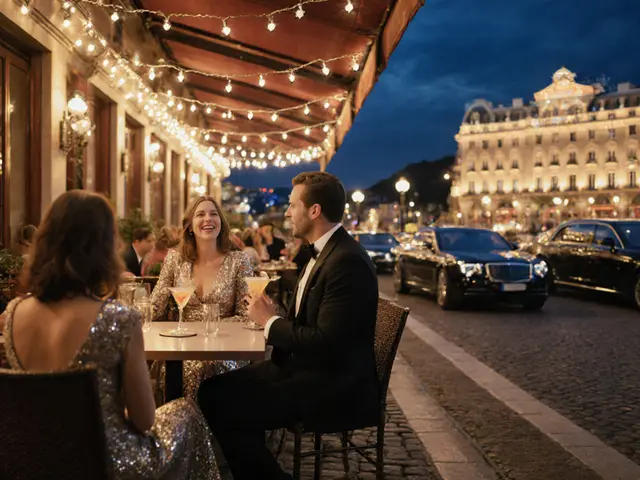
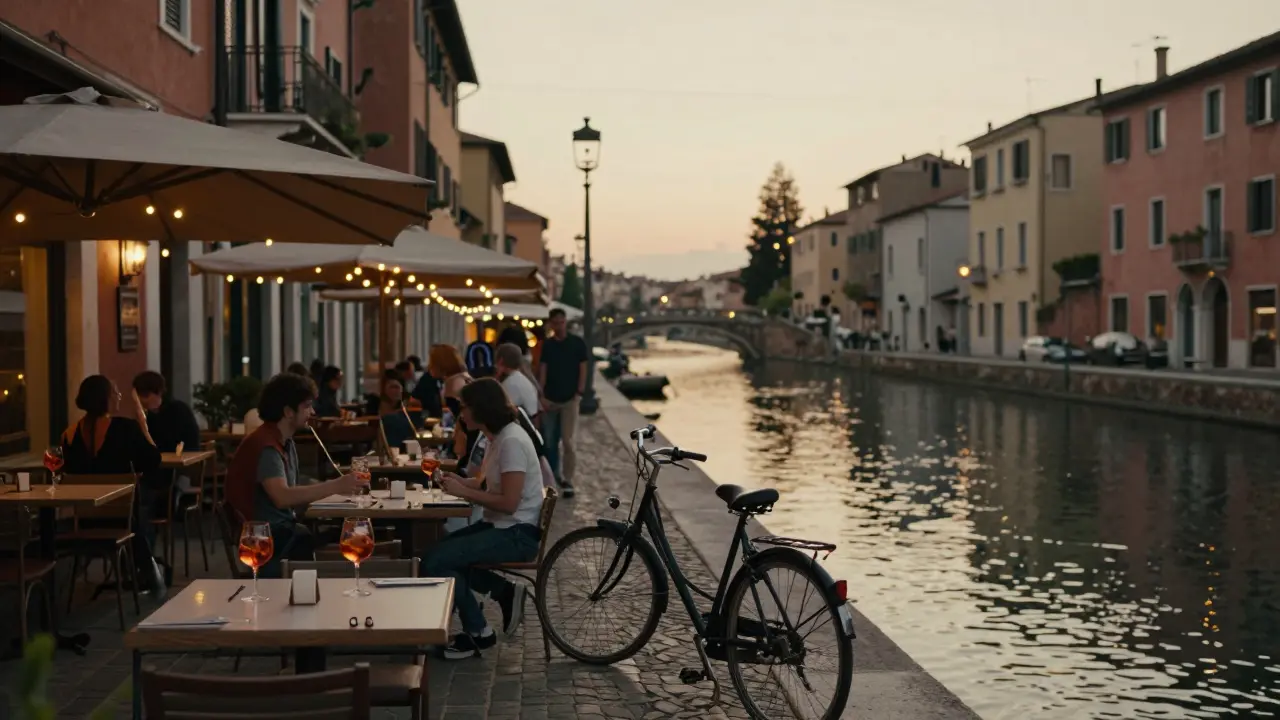
Head to the Navigli district-especially along the Naviglio Grande canal-where the vibe is relaxed but electric. This is where Milanese unwind after work. The canals are lined with outdoor terraces, and in summer, you’ll see people sipping Aperol spritzes with their feet in the water. Try Bar Luce for a curated selection of Italian wines and small plates, or La Cucina di Naviglio for craft cocktails made with local herbs. Don’t miss the live jazz on Friday nights at Il Gabbiano. It’s not loud, it’s not flashy-but it’s where you’ll hear the real sound of Milan after dark.
Clubbing Like a Local: From Underground to Glam
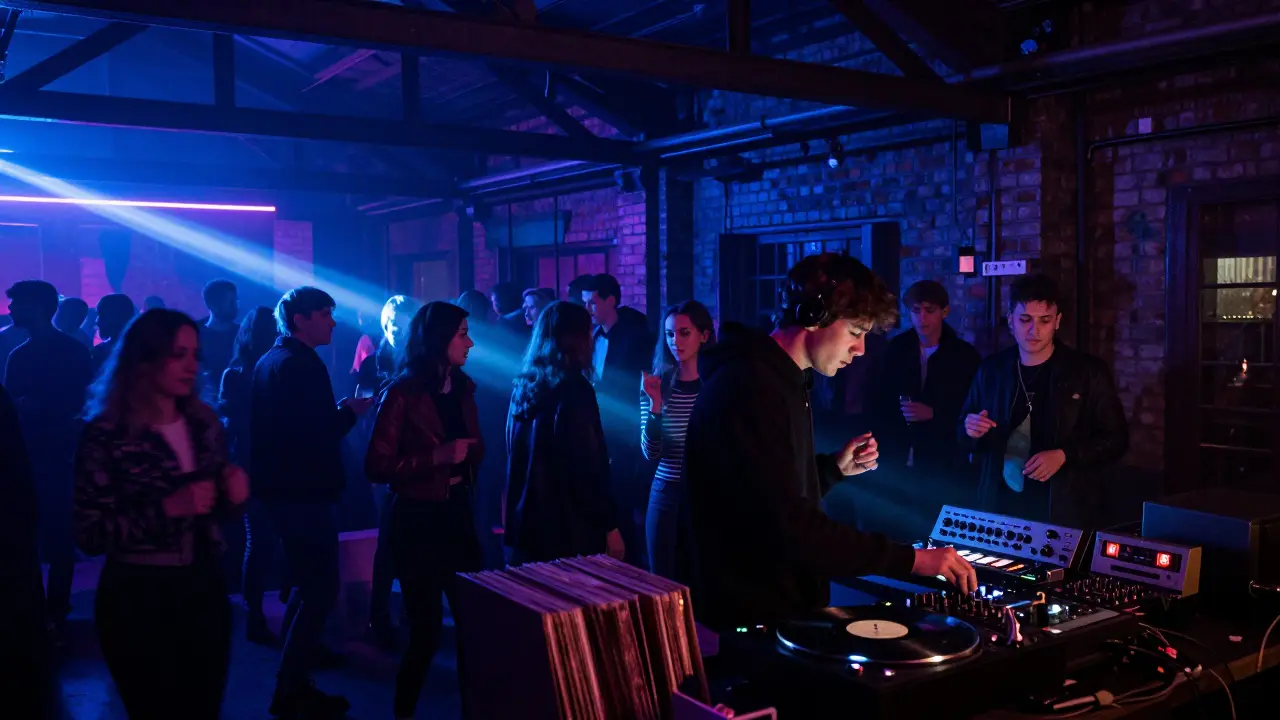
If you want to dance until sunrise, skip the tourist clubs near Duomo. The real clubs are scattered, and you need to know where to look. Armani/Silos hosts occasional after-parties with international DJs, but the underground heartbeat is in Magazzini Generali-a former industrial space turned multi-room venue. Expect techno, house, and experimental sounds. Tickets are €15, and you’ll need to arrive after midnight. No dress code, but no flip-flops either.
For something more polished, try Capo D’Africa in the Porta Venezia area. It’s a mix of retro-futuristic design and global beats. The crowd here is a blend of artists, designers, and expats. They don’t care if you’re famous-they care if you move well.
Wine Bars and Aperitivo Culture: The Heartbeat of Milanese Evenings
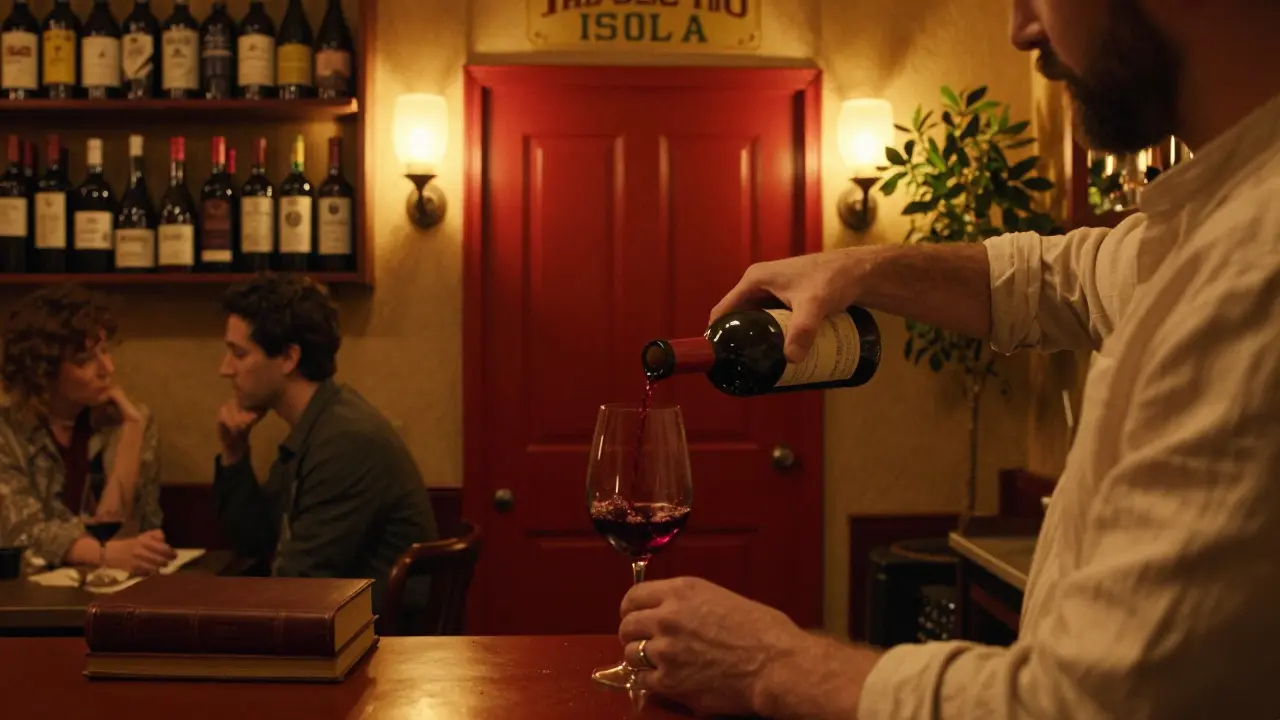
Aperitivo isn’t just a drink. It’s a ritual. Between 6 p.m. and 9 p.m., most bars offer free snacks with your drink-think gourmet olives, truffle crostini, mini arancini, and even hot pasta. The best spots? Bar Basso, where the Negroni was invented in 1945. Order one. Just one. It’s history in a glass. Le Jour in the Brera district offers a modern twist: seasonal cocktails paired with artisanal cheese boards. And for a true local secret, go to Bar del Fico in the Isola neighborhood. It’s tucked behind a fruit stand. No sign. Just a red door. Inside, you’ll find 20-year-old vintages and a crowd that doesn’t take photos.
Hidden Gems: Where Only Locals Go
Most guidebooks miss these. Il Gatto Nero is a speakeasy behind a bookshelf in a quiet alley near San Babila. You need to text the host for the code. Once inside, you’ll be handed a handwritten menu and a single glass of aged grappa. No music. Just quiet conversation and the clink of ice.
Down in the Porta Genova area, La Soffitta is a rooftop bar with no elevator. You climb three flights of stairs to a terrace with string lights and a view of the city’s skyline. They serve only one cocktail: the Milano Sunset-Aperol, prosecco, and a splash of blood orange. It’s €12. Worth every cent.
What to Avoid: Tourist Traps and Overpriced Pitfalls
Stay away from the area around Piazza del Duomo after 9 p.m. The bars there charge €15 for a basic gin and tonic and play Top 40 hits on loop. You’ll pay double for the same drink in Navigli or Isola. Also avoid clubs that advertise "VIP tables" with Instagram influencers. They’re usually just empty chairs with a velvet rope.
And don’t expect to find American-style happy hours. Milan doesn’t do discounts. It does quality. If a bar looks too bright, too loud, or too full of people holding phones up, walk away.
When to Go: Timing Matters
Weeknights (Tuesday-Thursday) are for wine bars and quiet conversation. Friday and Saturday are for clubs and dancing. Sunday nights are for late-night pizza and jazz. Many locals head to Pizzeria La Madia in Brera after midnight-thin crust, wood-fired, and served with a side of silence.
Also, Milan’s nightlife doesn’t start early. Bars fill up after 10 p.m. Clubs don’t get busy until after midnight. If you show up at 8 p.m., you’ll be the only one there. That’s okay. You’ll get the best seat.
Getting Around: No Need for a Car
Milan’s public transport runs until 1:30 a.m. on weekdays and 2:30 a.m. on weekends. The metro is clean, safe, and efficient. Use the app Milan Mobility to check real-time schedules. Taxis are expensive and hard to find after 2 a.m. Uber isn’t reliable here. If you’re heading to a club outside the center, walk with a group. Most neighborhoods are safe, but don’t wander alone after 3 a.m.
What to Wear: Style Over Status
Milanese dress well-but not to impress. They dress to feel good. Men wear dark jeans, clean sneakers, and a tailored jacket. Women opt for minimalist dresses or tailored trousers with statement heels. No logos. No baseball caps. No sneakers with socks. If you’re going to a high-end club like Capo D’Africa, skip the hoodie. At a hidden jazz bar? A leather jacket and boots are perfect.
Final Tip: Be Present
Milan’s nightlife isn’t about checking boxes. It’s about the moment-the way the light hits the canal at dusk, the smell of espresso mixed with rain, the silence between two people who just shared a bottle of Barolo. Don’t try to capture it on your phone. Live it. The city remembers those who show up, not those who post.
Is Milan nightlife safe for tourists?
Yes, Milan is one of the safest major cities in Italy for nightlife. The main areas-Navigli, Brera, Isola, and Porta Venezia-are well-lit and patrolled. Avoid poorly lit alleys after 3 a.m., and never leave drinks unattended. Most incidents involve overindulgence, not crime. Stick to busy areas and use public transport after midnight.
What’s the best night to go out in Milan?
Friday and Saturday are the busiest, but they’re also the most crowded. If you want a more authentic, less touristy vibe, go on a Thursday. Many locals treat Thursday like a mini-weekend. Bars are lively, clubs are starting to heat up, and prices are still reasonable. Sunday nights are quiet but magical-perfect for a late pizza or jazz set.
Do I need to book tables in advance?
For popular wine bars like Bar Basso or rooftop spots like La Soffitta, yes-especially on weekends. Book through their websites or Instagram DMs. For clubs like Magazzini Generali, no reservation is needed. Just show up after midnight. The queue moves fast, and entry is first-come, first-served.
Are there any dress codes in Milan clubs?
Most clubs don’t enforce strict dress codes, but they have unspoken rules. No sportswear, flip-flops, or oversized hoodies. Men should wear dark jeans or tailored pants with clean shoes. Women should avoid casual shorts or flip-flops. At upscale venues like Capo D’Africa, a blazer or elegant dress helps. At underground spots like Il Gatto Nero, it’s all about attitude-not labels.
How much should I budget for a night out in Milan?
You can have a great night out for €40-€60. That includes two cocktails or glasses of wine, a few snacks, and metro fare. A club entry fee is usually €10-€20. If you’re dining at a wine bar with a full aperitivo spread, plan for €25-€35. Skip the tourist zones-prices there can double. Stick to Navigli, Isola, or Brera for value and authenticity.